


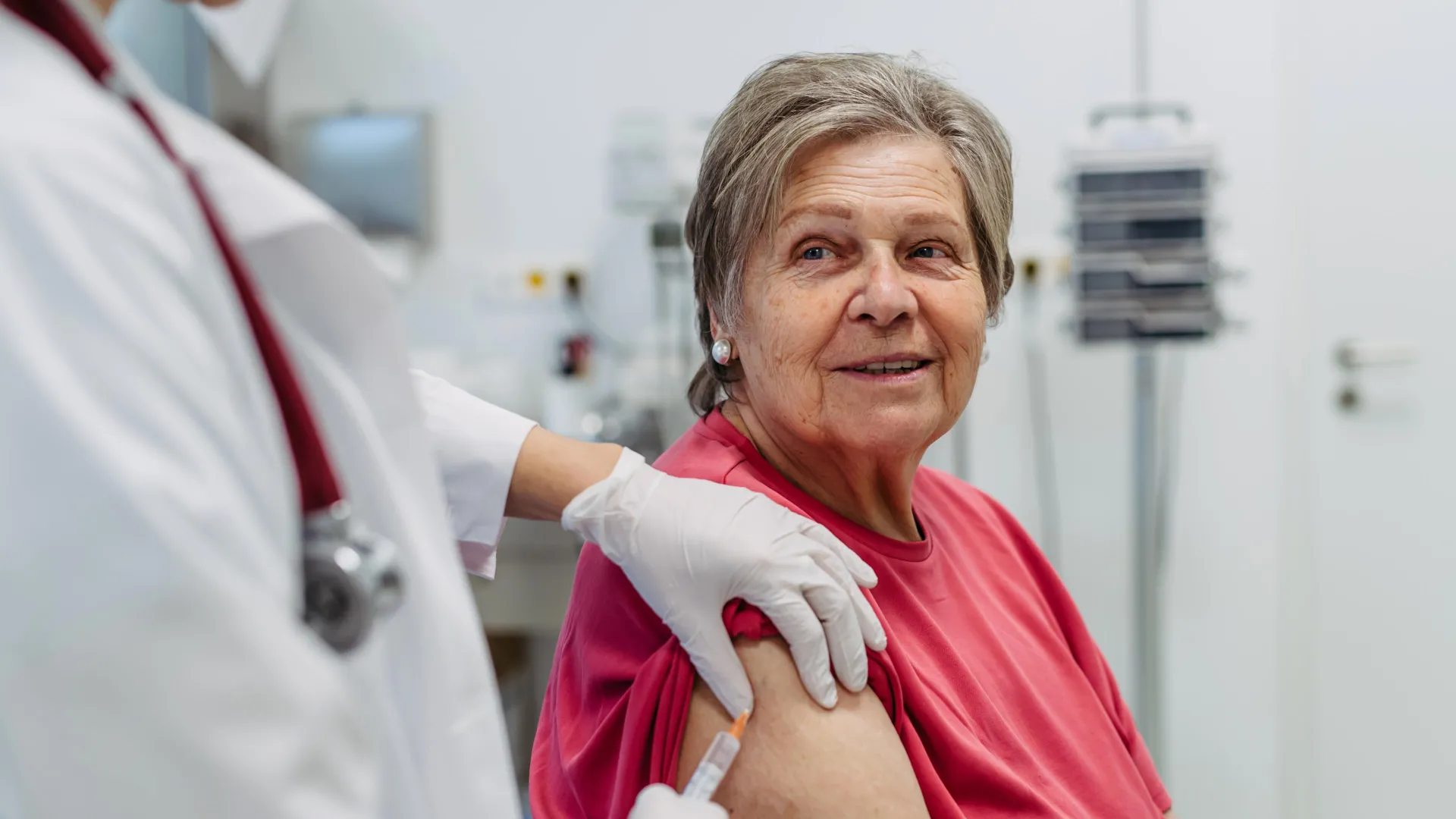
Research from 2016 indicates that spermidine, a naturally occurring compound, may enhance vaccine responses in older adults by mitigating biological signs of aging within the immune system. Aged cells.
As we age, our immune systems become less effective, complicating our ability to combat infections and respond adequately to vaccinations. This gradual decline, termed immunosenescence, results in an increased susceptibility to age-related health issues, leaving some older individuals less immune-protected post-vaccination.
Spermidine: A Potential Ally for Aging Immunity
The study was spearheaded by Dr. Katya Simon, Group Leader at the Immune Cell Biology Laboratory at the Max Delbrück Center, alongside Dr. Ghada Alsaleh, Associate Professor at the Nuffield School of Orthopedics, Rheumatology, and Musculoskeletal Sciences (NDORMS) at the University of Oxford.
Findings indicate that daily supplementation of spermidine can enhance various measures of immune response following COVID-19 vaccination.
Spermidine is naturally synthesized in human cells and is also present in foods like wheat germ, mushrooms, Parmesan cheese, and cheddar cheese. Previous research has demonstrated that this compound may bolster cellular maintenance mechanisms, which tend to decline with advancing age.
“While many older individuals respond positively to vaccines,” explained Alsale, “some do not develop robust protection despite multiple vaccinations. The biological aging of immune cells may be a contributing factor. Our findings suggest that spermidine could help restore immune functionality in this demographic.”
The project also included researchers from the Oxford Vaccine Group, such as Paul Klenerman, Teresa Lambe, Lucy Jones, and Owen B. Spiller of Cardiff University.
Understanding Vaccine Efficacy Decline with Age
The COVID-19 pandemic has highlighted the critical role of vaccinations in preventing severe illness and mortality. Older adults often generate fewer protective antibodies and T cells post-vaccination, a trend similarly observed with influenza vaccines.
To explore whether spermidine could improve this response, Simon and her team enrolled 40 healthy adults aged 65 and older. Following their third COVID-19 vaccination, participants took either 6 milligrams of spermidine or a placebo daily over 13 weeks.
A significant portion of participants exhibited weak antibody responses even after receiving three doses. Their immune cells demonstrated distinct signs of biological aging, including increased DNA damage and molecular markers related to cellular senescence. During cellular senescence, damaged or aged cells lose functionality yet persist in the body, accumulating over time.
Enhanced Antibody Responses with Spermidine
Participants classified as vaccine non-responders who received spermidine showed marked improvements in various vaccine-related immune indicators. These individuals generally produced higher antibody levels against SARS-CoV-2 and displayed enhanced neutralizing activity against several virus variants.
The researchers also noted that spermidine reduced markers of immunosenescence and promoted autophagy, a natural recycling process that enables cells to discard damaged materials and maintain optimal function.
The supplement appears to be safe and well-tolerated, with no adverse effects reported during the study.
The Need for Larger Trials
Given that this study included only 40 participants, the researchers emphasize that these results should be considered preliminary evidence rather than conclusive proof of spermidine’s effects on vaccination outcomes.
“This pilot study involved a relatively small sample size,” Simon states. “Larger trials are necessary to confirm whether spermidine consistently enhances vaccine responses and if similar benefits can be observed with other vaccines, such as those for seasonal influenza.”
Source: www.sciencedaily.com