


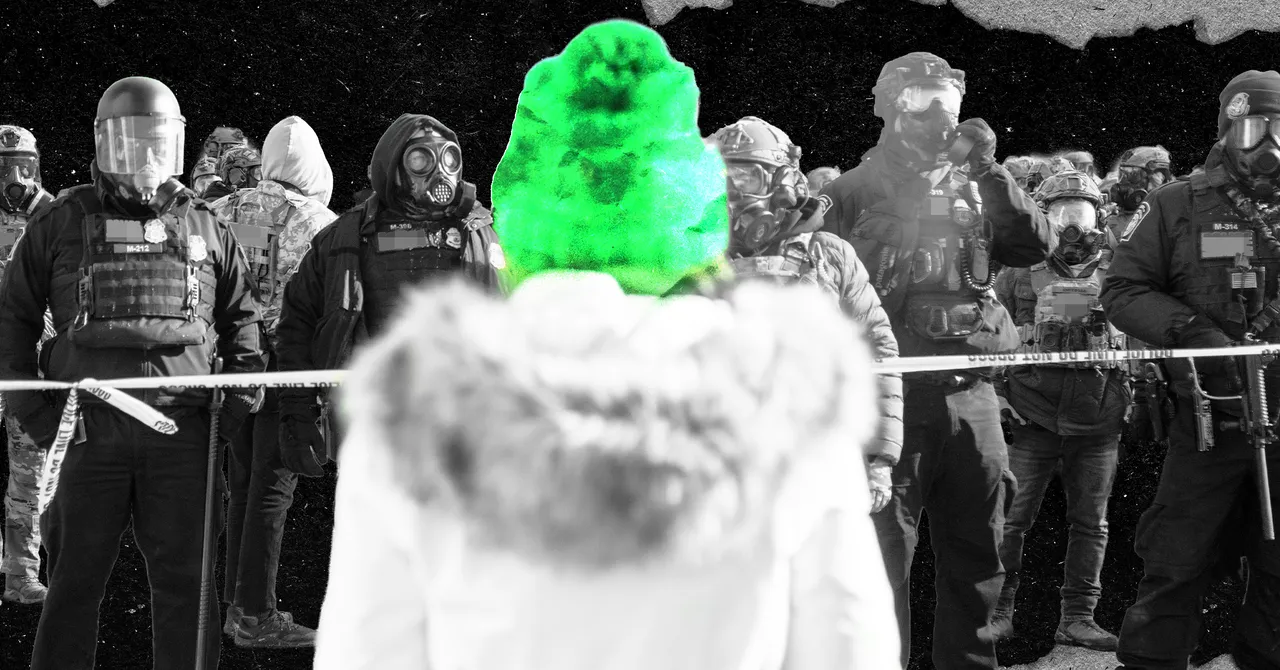
Did you recently buy a dark green beanie from REI? According to a court filing, the Department of Homeland Security may have sought your purchase information.
A new court submission alleges that Homeland Security Investigations agents subpoenaed outdoor retailers in March. The subpoenas reportedly sought transaction records for “everyone” in the Minneapolis–St. Paul metropolitan area who purchased a specific dark green beanie from REI. REI did not respond to questions about whether it complied with the request or how many customers could be affected.
The subpoena is connected to a broader federal lawsuit against 39 people accused of participating in protests at a St. Paul church where the pastor reportedly worked as an acting ICE field office director. The defendants include protesters and journalists who attempted to cover the demonstration, including former CNN host Don Lemon.
The REI subpoena was one of 92 subpoenas issued as part of HSI’s investigation, according to court records. Other recipients allegedly included social media companies, airlines, communications providers, car rental companies, and state employment agencies. At least one unnamed airline was reportedly asked to provide a defendant’s past flight information and notify HSI about future travel. DHS declined to comment, while the U.S. Attorney’s Office for Minnesota did not explain why investigators sought records identifying REI customers who purchased beanies or why the retailer was specifically targeted.
HSI subpoenas are also known as Form 1509 customs subpoenas and are generally intended to obtain information related to imports and exports. However, since the Trump administration took office, WIRED and other news outlets have reported on DHS efforts to identify online critics using legal demands that may be issued without direct oversight from a judge or jury.
“It’s completely ridiculous that DHS is asking REI to search two years of customer data as part of President Trump’s campaign against Minneapolis residents,” Oregon Sen. Ron Wyden told WIRED. “Customs subpoenas only allow DHS to request information directly related to compliance with customs laws, not to endlessly intrude into the lives of people who are critical of Donald Trump.”
The number of people whose personal information may have been obtained through these subpoenas remains unclear. Companies that receive them are often instructed not to disclose their existence. Such demands typically become public only when a recipient challenges the subpoena in court, informs the target despite a confidentiality request, or when the target discovers the records later.
In recent letters, Sen. Wyden and Rep. Pramila Jayapal told Congress that some technology companies ignore government requests for secrecy when they are not legally binding. Companies in more heavily regulated industries, however, may comply because they fear regulatory retaliation.
Court filings, internal DHS documents, and public statements from companies indicate that businesses have responded to recent customs subpoenas in different ways.
An attorney for Georgia Fort, a journalist and defendant in the Minnesota lawsuit, wrote in a court filing that lawyers were “stunned” to learn the government had obtained T-Mobile records detailing Fort’s calls and text messages over a six-month period. The attorneys allege that neither T-Mobile nor the government notified Fort about the disclosure.
Source: www.wired.com