


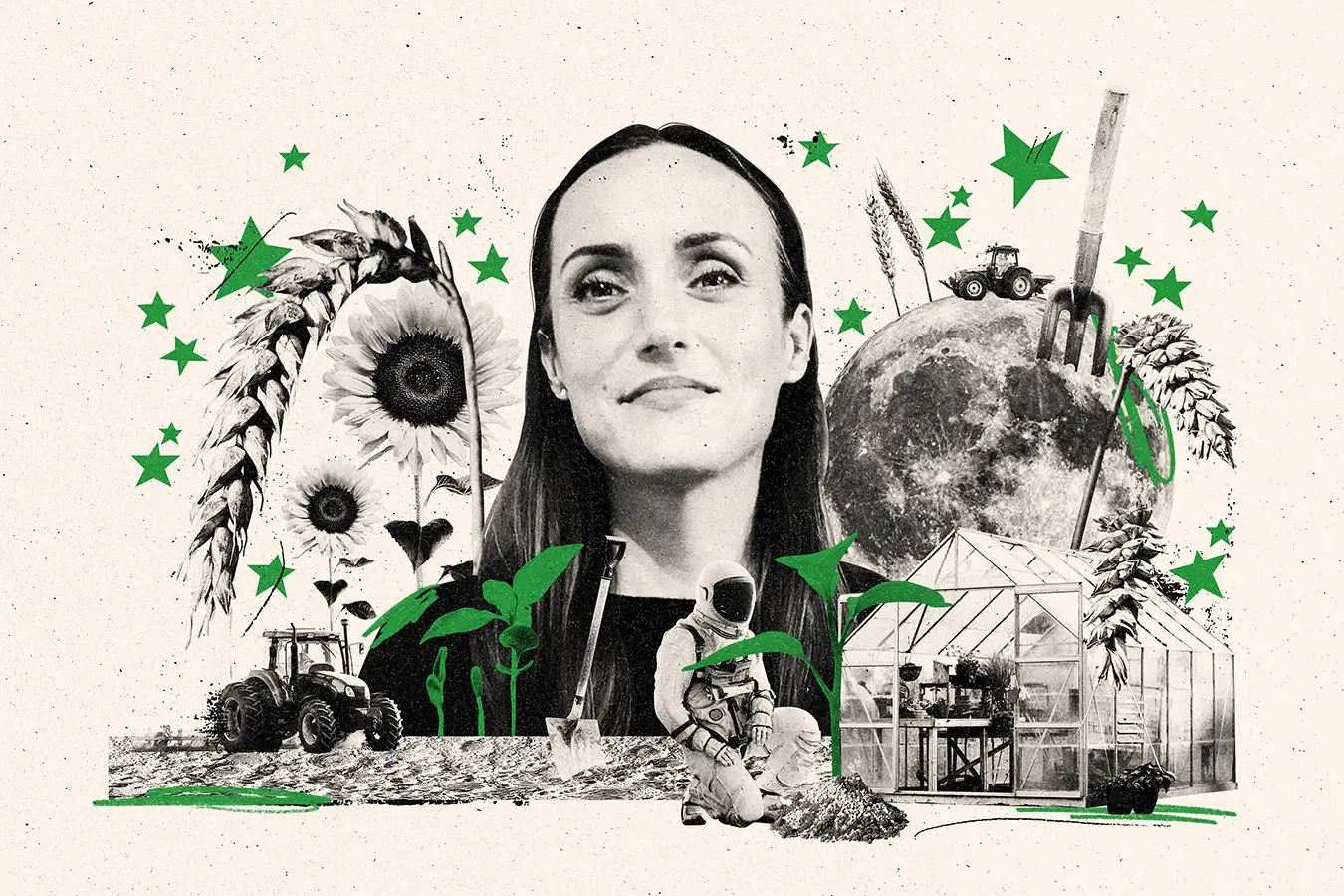
Astronaut Mark Watney’s thrilling journey of survival on Mars – growing potatoes in hostile conditions – is fictional in The Martian. However, Jessica Atkin, a real-world astrobotanist at Texas A&M University, is paving the way for similar achievements on the moon.
Atkin’s expertise is critical as NASA progresses with its **Artemis II mission**, aimed at establishing a permanent lunar base. While sending packaged food to support astronauts initially works, sustainable moon living will require cultivating crops directly on the lunar surface.
Growing food on the moon is a complex challenge. Astronauts will need to extract water from lunar ice and tackle the difficult volcanic regolith that presents unique obstacles for plants. Atkin’s research demonstrates that chickpeas can sprout when lunar regolith is combined with organic material and a specialized fungi mix. Thanks to her groundbreaking work, she has secured a significant grant from NASA to explore further possibilities for moon agriculture.
Atkin discussed her vision for a lunar greenhouse, her innovative home lab setup, and what future astronauts might eat on the moon. Robin George Andrews: What inspired you to study astrobotany? Jessica Atkin: My fondest memories involve harvesting strawberries with my grandmother, which sparked my early love for plants. My childhood fascination extended to space. Raised by cowboys, I often gazed at the moon on my tractor, wondering how we could grow plants there. Since plants rely on microbes for growth on Earth, it’s logical to explore how these microorganisms can assist in lunar cultivation. Before diving into academia, you served in the U.S. military.
How did that influence your path? Joining the military was a strategic move, minimizing my dependence on family for education expenses. After serving as a police officer and training Iraqi police, I returned home with valuable experiences that shaped my future, although that lifestyle wasn’t a long-term fit. Why focus on developing crops in lunar regolith instead of bringing Earth soil to the moon? The cost to transport materials to the moon is exorbitant, up to $100,000 per pound. We must prioritize sending essential items, and while hydroponics can offer alternatives, we need strategies for sustainable agriculture. However, the moon’s regolith presents significant agricultural challenges. Regolith is composed of small, sharp particles that can harm both plants and astronaut spacesuits. Additionally, it poses difficulties when watering, as it can harden and impede growth. While lunar regolith contains necessary nutrients like phosphorus and potassium, excessive aluminum and iron can be detrimental to plant health. Chickpea roots developing in simulated lunar soil during Atkin’s research Michael Miller/Texas A&M AgriLife What advancements have scientists made in cultivating crops on lunar regolith? A team from the University of Florida successfully demonstrated that thale watercress can thrive in actual lunar regolith brought back by Apollo missions.
The results were promising, despite initial concerns about utilizing real lunar soil. As my research progressed, I recognized the crucial role microbes play, prompting me to enhance my focus on their interactions with plants. Your work has emphasized the importance of fungi. Could you elaborate? I recognized that fungi significantly aid plant colonization on Earth, so I aimed to see if they could perform the same role on the moon. Their potential partnership with plants could be instrumental in overcoming lunar farming hurdles. Why did you select chickpeas as a potential lunar crop? Unlike conventional crops like lettuce and tomatoes, chickpeas offer rich protein content and can adapt to tough conditions. Their unique ability to engage microbes makes them ideal candidates for lunar agriculture. Before receiving your NASA grant, you conducted research from home. How did that evolve? In 2020, I initiated these experiments at home due to limited institutional resources while collaborating with my professor at Texas A&M. After initially facing challenges securing funding, I took it upon myself to acquire necessary materials to further my research. Were you able to access authentic lunar regolith for your experiments? While actual regolith is secured at NASA’s Johnson Space Center, it’s sparingly released for use. Instead, I utilized simulated lunar soil, crafted from terrestrial volcanic rock, to replicate lunar highland conditions for my experiments. Jessica Atkin demonstrating chickpeas grown in simulated moon dust during research Michael Miller/Texas A&M AgriLife What were the outcomes of your recent moon chickpea experiments? In our experiments, we utilized various fungi and compost levels to determine the optimal mix for plant health. The results showed that the combination of organic material and fungi had the most positive impact, leading to rapid germination. However, the plants experienced stress in the regolith, which may have affected seed production.
We are currently analyzing these seeds at Pennsylvania State University to ensure they are safe for consumption. In an ideal lunar habitat, what challenges should we anticipate while creating a vegetable garden? Future lunar gardens must contend with increased radiation exposure and altered gravity conditions, influencing water management and light supplementation. With two weeks of lunar daylight followed by two weeks of darkness, careful habitat design will be essential. Additionally, astronauts will require separate growing areas to safely handle lunar regolith without health risks. What should be considered for protein sources in astronauts’ diets? Chickpeas could potentially satisfy protein needs, but initially, packaged and shelf-stable foods will likely dominate astronaut diets. Would you envision space hummus as a viable option for astronauts? Cooking in space is limited; however, fresh ingredients are vital. I often joke about opening a falafel stand on the moon! What might the most luxurious meal grown in a lunar greenhouse be? Personally, I have a penchant for sweet fruits. NASA has been researching strawberries for space, and tests have been conducted to observe their growth in simulated conditions. How do you feel about being referred to as the “Moon Botanist”?
This niche title may complicate job searches, yet I remain hopeful about the future opportunities stemming from the Artemis program. If NASA invited you to establish a lunar greenhouse, would you accept? Absolutely! That would fulfill a lifelong dream for me. I would eagerly join the mission to cultivate life on the moon. Reflecting on your childhood experiences, how has your grandmother’s influence shaped your scientific journey? Though she’s no longer with us, I believe she would be incredibly proud of my achievements. Her encouragement fueled my passion for botany and agriculture throughout my journey.
Source: www.newscientist.com