


Archaeological discoveries, from objects found in people’s backyards to artifacts recovered at famous excavation sites, offer insights into the cultures and lives of ancient peoples. In a recent Live Science reader survey, more than 290 people shared which discoveries they would most like to make. The most popular choice was ancient writing that could help researchers decipher unknown languages, selected by 69% of respondents.
Discoveries that illuminate the ancient world
Some archaeological finds reveal connections between distant cultures. A 1,200-year-old penny found in Denmark, for example, provides evidence of contact with the wider world, while research into Viking activity has shown that Vikings melted silver from the Islamic world.
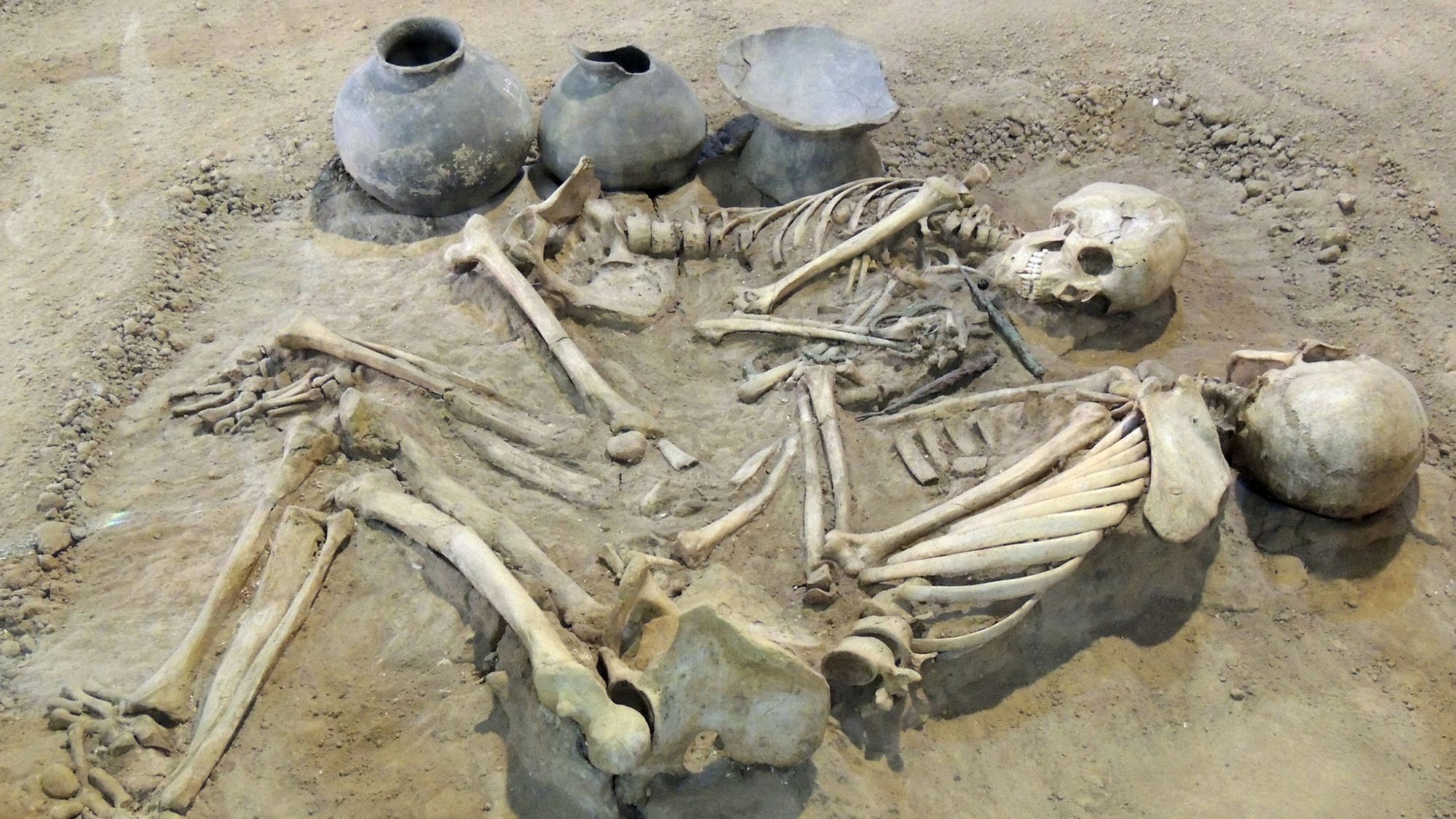
Other discoveries shed light on the lives and customs of ancient communities. The excavation of a 2,800-year-old tomb containing sacrificial horses in Siberia revealed connections with the nomadic Scythians.
Some finds are especially significant because of their age and exceptional preservation. The 40,000-year-old “Lion Man” statuette, carved by humans in what is now Germany during the last ice age, may be the world’s oldest known evidence of religious belief.
The appeal of undeciphered texts
Ancient texts can provide clues about mysterious, long-lost languages. The Linear A writing system, used by the ancient Minoans of Crete, has not yet been deciphered. Other texts, such as the Rosetta Stone, helped researchers decode Egyptian hieroglyphs and better understand ancient Egyptian culture.
In the survey, 69% of readers said they would most like to discover ancient texts that could “help decipher languages.”
One reader explained: “As in the case of the Rosetta Stone, interpretation of the newly deciphered language could lead to the discovery of other things, such as tombs and documents. Once Egyptologists were able to read hieroglyphs, they were able to discover other information useful for research and excavations.”
Weapons, tombs and burial sites
Ancient weapons were another choice, with 4% of participants selecting them. One commenter wrote: “War is always responsible for where people come together and settle. Therefore, weapons can reveal the rise and fall of people across countries that have not existed for many years. So this reveals a lot about the specific development of different regions, and ultimately perhaps also about why we actually live where we are.”
Another reader wrote, “Discover Attila’s Tomb, because no one has found it to this day.”
A different respondent emphasized the value of burial sites: “I think the most valuable finds in archaeology are graves.”
Every type of archaeological discovery can reveal something new about the ancient world. What would you most like to find?
Source: www.livescience.com