


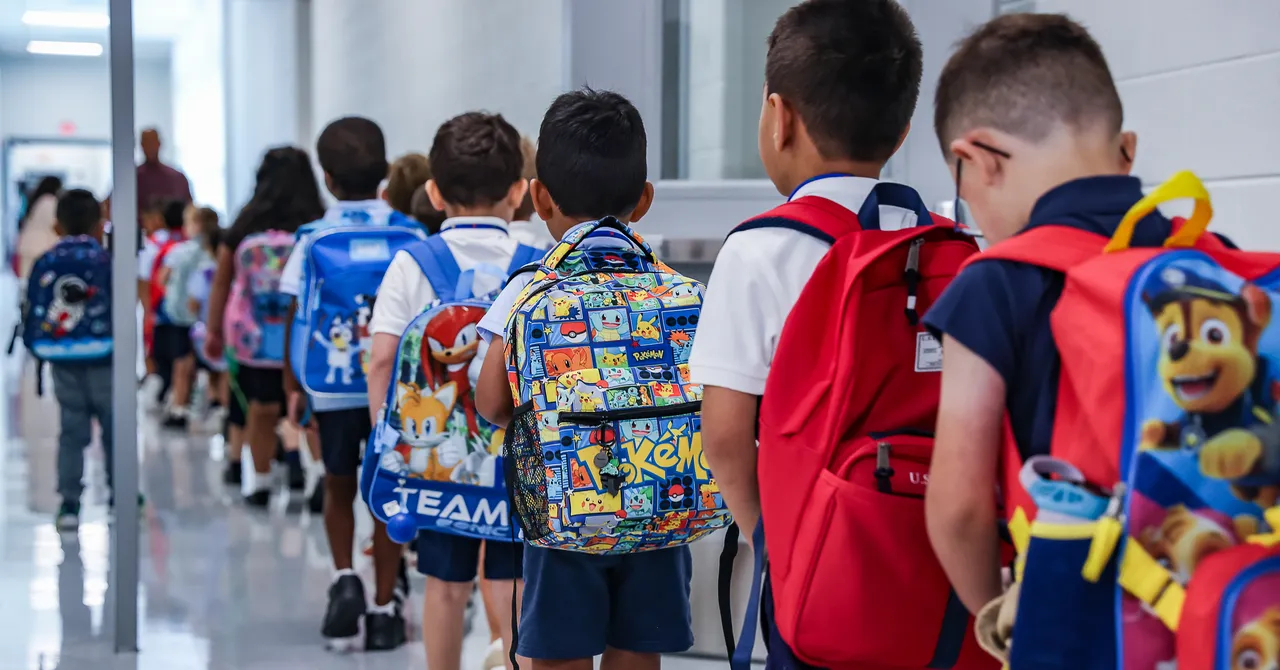
students take the lead The return to school can make any parent worry about everyday responsibilities, such as packing lunch or arriving at the bus stop on time. For parents of immunocompromised children, however, the start of the school year brings a more serious concern: protecting their children from measles outbreaks.
Measles cases in the United States have reached a 35-year high, with nearly 3,000 confirmed infections reported so far in 2026. As the new school year begins, Pennsylvania has recorded its first two measles-related deaths of the year. With childhood vaccination rates declining nationwide, families of children who cannot be vaccinated or whose weakened immune systems may not produce an adequate immune response are weighing whether in-person school is safe.
Victoria Schiano, national community engagement coordinator for Little Lobbyists, a nonprofit supporting children with complex medical needs and disabilities, said the resurgence of measles is “absolutely frightening.”
The exact number of immunocompromised children in the United States is unknown, but research cited by the Centers for Disease Control and Prevention estimates that approximately 2.6% of children are immunocompromised. Immunodeficiency can result from genetic conditions or secondary causes, including chemotherapy used to treat cancer.
Schiano’s children are among those at increased risk. Her 10-year-old son has mitochondrial disease, and the family lives in Chester County, Pennsylvania, which currently has the second-highest number of measles cases in the state. Schiano has been closely tracking vaccination rates in her son’s school district, which remain below the 95% level generally needed to help protect a community from measles transmission. Measles outbreaks are more likely to occur when vaccination coverage falls below that threshold. In nearby Lancaster County, for example, just 87.6% of kindergarten students and 83.3% of seventh-grade students are fully vaccinated against measles.
Schiano’s son cannot receive the measles vaccine. He receives weekly intravenous immunoglobulin infusions, which contain antibodies concentrated from donated human plasma to help his body fight infections.
“Measles is dangerous for anyone, but for him it could literally mean the difference between life and death,” she said.
Measles can cause serious and potentially life-threatening complications, including pneumonia and brain swelling. The virus can also destroy the body’s immune memory of previous infections, a phenomenon known as immune amnesia that can leave people more vulnerable to other diseases.
At school, Schiano’s son already wears a mask and uses plexiglass barriers, while the family practices frequent handwashing. Now, she has made the difficult decision to limit his time with friends and participation in after-school activities, including karate. She said balancing her son’s safety with his quality of life has become increasingly difficult.
“He just wants to play and do all the things he sees other kids doing,” she said.
Her son attended online school for a period during the coronavirus pandemic, and Schiano said she is prepared to withdraw him from school if even one measles case is confirmed. Remote learning, however, can bring its own challenges. During the pandemic, online schooling was associated with increased social isolation as well as behavioral and mental health concerns among students.
Amalia, a South Carolina parent who requested a pseudonym for privacy reasons, has already decided to keep her 16-year-old son home and enroll him in online school this year because of concerns about measles. Her son has an immunoglobulin A deficiency, which means his body does not produce enough antibodies to help protect mucous membranes, body fluids and the gastrointestinal tract from infection.
“He gets sicker than the average child, even when something like the flu is going around,” she said.
Her son was able to receive the measles vaccine, but doctors regularly monitor his antibody levels to determine whether his immune protection has weakened.
Source: www.wired.com