


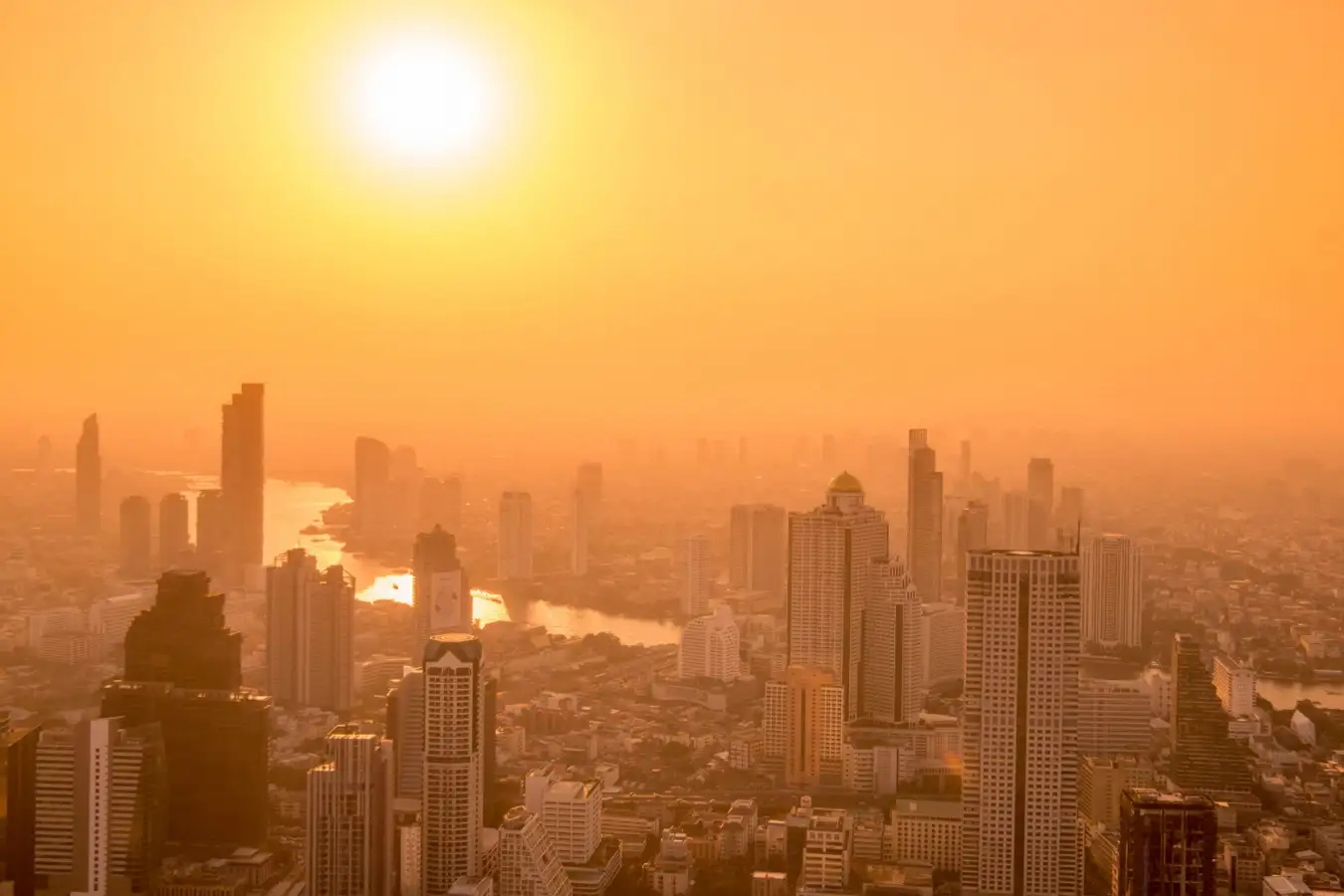
Hum: A Climate Fiction Novel Set in a Futuristic Metropolis
Ingram Publishing / Alamy
Helen Phillips’ award-winning novel, Hum, tackles a mother’s struggle to protect her family in a futuristic metropolis, earning this year’s Climate Fiction Award. Sponsored by Climate Spring and valued at £10,000, the award recognizes storytelling that addresses the realities of climate change. In 2025, Abi Dalle’s And That’s Why I Roar also received this honor.
Hum topped a competitive shortlist featuring works like Susanna Kwan’s tale of a future San Francisco, where streets have turned into rivers, and Maria Leva’s narrative about an endangered snail’s journey set in a floating city.
Judge Friederike Otto, a climate science professor at Imperial College London, noted that Hum highlights the privilege that contributes to inaction against the climate crisis. Fellow judge and novelist Jesse Greengrass remarked, “This book delves into the anxiety of living in a world where every choice seems to worsen the situation.”
The Story of Mae: Navigating a High-Tech Future
Set in a near-future city inhabited by super-intelligent robots known as Hams, the novel follows Mae, a mother striving to shield her children from addictive devices while seeking a natural oasis in a digital landscape.
Interview Insights with Helen Phillips
Alison Flood: What inspired you to create this story?
Helen Phillips: Every novel emerges from countless tiny seeds. One pivotal thought came while I was walking home; I realized I needed to buy new dish towels. Soon after, an ad popped up for dish rags on my computer. This eerie sense of algorithmic surveillance inspired my character, Mae, and the central conflicts of the story.
Reflections on Anxiety and Climate Change
Just as Mae faces her fears about climate crisis and inequality, I channel my own anxieties as a source of inspiration. The book contemplates how we prepare our children for an uncertain future.
The Setting and Its Significance
I didn’t choose a specific year for the story; rather, it reflects a transitional society where adults remember a time before technology dominated lives. Mae’s emotional journey echoes the struggles many parents face today.
Connecting with Nature Through Storytelling
Through Hum, I hope to evoke a sense of appreciation for our natural world and inspire readers to protect it for future generations.
The Impact of Stories on Climate Awareness
I believe stories can spark change, although my aim was never to be didactic. Rather, the act of exploring this world invites readers to deeply consider their impact on climate and society.
Writing Climate Fiction: A Personal Journey
Climate concern has always been central to my writing, as seen in my earlier microfiction book Still They Were Happy. My anxiety about climate change drives my exploration of these themes.
Hope for the Future
Ultimately, connection is key. By recognizing our shared humanity, we can unite in the effort to care for our planet. As we navigate challenges, let’s focus on the values that bring us together.
Source: www.newscientist.com