


Close Menu
HitechubHitechub
    What's Hot
    Science

    New Findings on Dementia Prevention | BBC Science Focus Magazine

    Science

    Ötzi’s Frozen Remains: Potential Home to Active Microorganisms

    Science

    BBC Science Focus Crossword Solution #434: Complete Guide and Answers

    Important Pages:
    • About Us
    • Privacy Policy
    • Terms & Conditions
    Facebook X (Twitter) Instagram Pinterest
    Facebook X (Twitter) Instagram
    HitechubHitechub
    Sunday, June 21
    • Technology
      1. AI
      2. Gadgets
      3. View All

      This is the most popular CEO in the world

      Sectors in which “Chat-GPT” is most often used

      AI Pioneer Expresses Concern About Potential for AI to Surpass Humanity

      Artificial intelligence has begun to “swallow” professions

      What’s new in Android 14

      Europeans have about 700 million old mobile phones in their drawers

      Here’s how you can tell if your phone is being tapped

      “Sneaker X” – computer case in the shape of a sneaker

      Russian Gamers Unite to Prevent Nuclear War: Join the Fight Online

      Challenges of Space Travel: Why Journeying to Space is So Difficult

      NASA Astronaut Casts Historic Vote from Space

      Discover the Future of Comfort: What If You Could Wear a Chair?

    • Science
      1. Space
      2. Wheels
      3. View All

      Galaxies in the universe are growing more slowly than they should

      “Espace” presented the new lander “Apex 1.0”

      The largest asteroid sample ever collected has arrived on Earth

      (VIDEO) Incredible flight of the Parker Solar Probe

      Toyota wants to make a new generation battery with a range of up to 1,200 km

      Meet Toyota’s lunar “baby” that could make exploring the Moon easier

      Microlino – Is this the perfect city car?

      Alfa Romeo 4C gets an electric successor

      Two Key Signals That Might Indicate Contact with Aliens

      Why Am I Farting So Much? Discover the Surprising Science Behind Flatulence

      Next-Generation Highly Sensitive Radio Telescope Array to Be Constructed in Nevada Desert

      What Happens When Two Narcissists Fall in Love? Insights on Narcissistic Relationships

    HitechubHitechub
    Home » No Young Woman Has Died from Cervical Cancer in the UK for Years: A Positive Trend
    Science

    No Young Woman Has Died from Cervical Cancer in the UK for Years: A Positive Trend

    Share Facebook Twitter Pinterest WhatsApp
    Share
    Facebook Twitter LinkedIn Pinterest WhatsApp

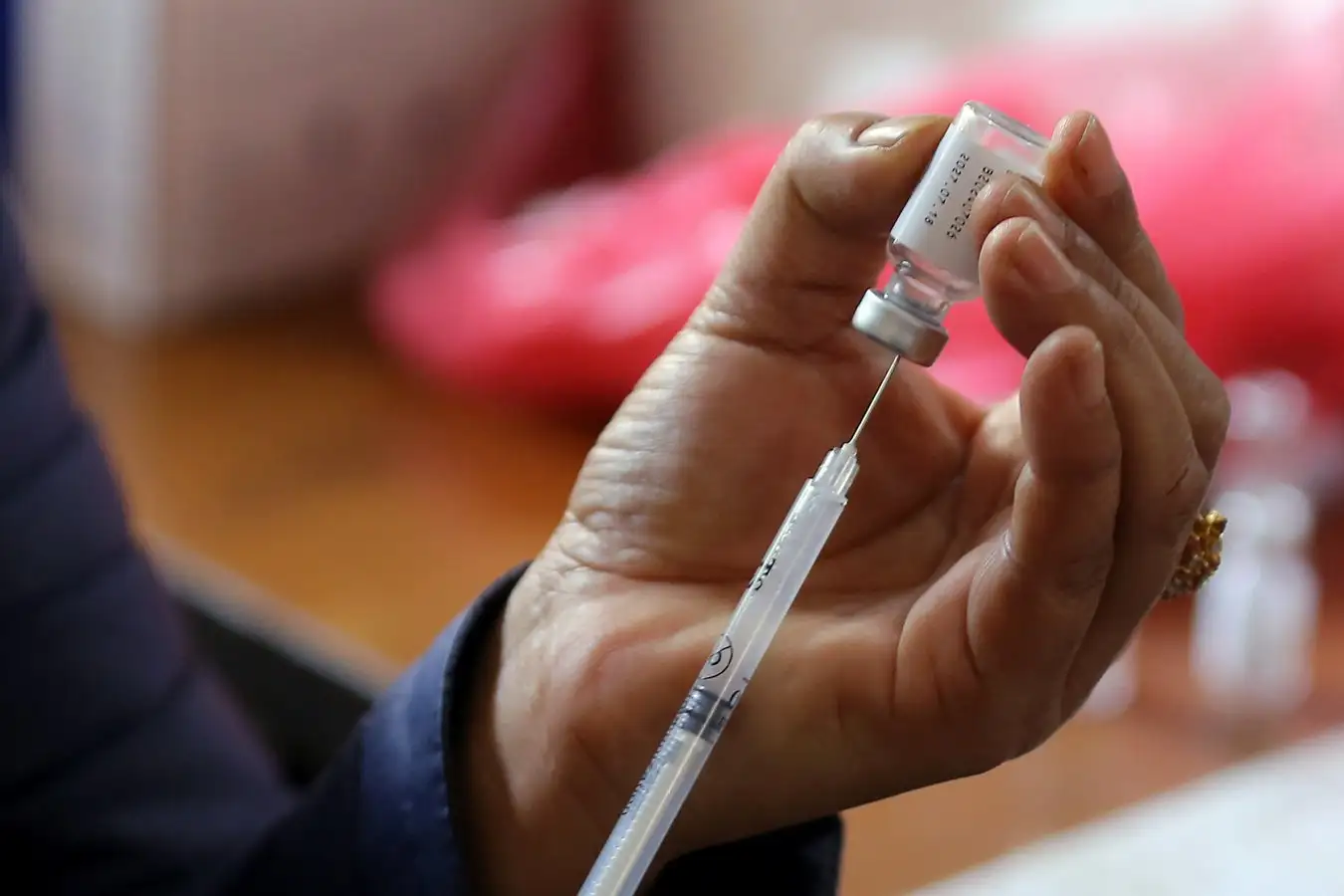
    The HPV vaccine has transformed cervical cancer prevention since its launch in 2006

    Subhash Shrestha/Nuru Photography via Getty Images

    From 2020 to 2024, the UK recorded zero deaths from cervical cancer among women aged 20 to 24, marking a historic milestone attributed to the widespread implementation of the human papillomavirus (HPV) vaccine.

    “The results are staggering,” states Peter Sasieni from Queen Mary University of London. “It is tragic when cervical cancer claims the life of someone so young. The rapid rollout of the vaccine is a monumental achievement for vaccination efforts, scientific advancements, and public health.”

    HPV is a sexually transmitted virus responsible for altering cells in ways that significantly increase the likelihood of cancer development. Consequently, women can face cervical cancer as early as their 20s, and tragically, many still lose their lives to this disease globally.

    Initially made available in 2006, the HPV vaccine has been administered to girls aged 12 and 13 in the UK since 2008. As of 2019, boys are also being vaccinated against HPV to prevent additional cancers caused by the virus, such as those affecting the mouth, throat, and anus, while also curbing transmission.

    This groundbreaking study reveals that the HPV vaccine not only substantially reduces HPV infections but also curtails cervical cancer-related fatalities. Research on cervical cancer incidence has indicated that the vaccine’s impact extends beyond what was previously assumed. Concerns arose that vaccination primarily benefited women who regularly attend screenings, but findings now show protections extend to those missing out on critical screening opportunities, highlighting the vaccine’s lifesaving potential.

    Fortunately, this concern appears unfounded. Sasieni and his team, including Milena Falcaro, have been closely monitoring cervical cancer rates and fatalities in the UK. They found no deaths among those aged 20-24 from 2020 to 2024, a significant drop from the estimated 23 expected fatalities based on historical data. “In my experience, there has never been a year recorded with zero deaths. Therefore, five consecutive years without fatalities is remarkable,” Sasieni added.

    This significant decline is likely a direct result of the HPV vaccine, with around 90% of women in the 20-24 age group in the UK vaccinated during their early teenage years. “This promising development underscores the vaccine’s lifesaving potential. It’s exciting to inform an entire generation that cervical cancer and several other types of cancer are no longer a risk for you,” stated Caroline Temmink, Director of Vaccination for the NHS.

    While this investigation focuses on cervical cancer, the HPV vaccine also provides considerable benefits for other HPV-related cancers. Both genders can also prevent the formation of skin, genital, and anal warts through vaccination.

    Notably, Sasieni and Falcaro also identified fatalities among women aged 25-29, but these numbers were significantly lower than what was projected. They estimate approximately 200 lives saved, a figure that represents just the beginning. “The 200 lives accounted for in our research is merely the surface; the protection seems to last long-term,” Sasieni explained. “In the future, we may estimate preventing around 18,000 deaths due to this vaccine.”

    Nevertheless, HPV vaccination rates remain low globally, and cervical cancer incidence continues to rise. Alarmingly, recent data shows a decline in vaccination among teenagers in the UK since the COVID-19 pandemic. “The decline in vaccine uptake since COVID-19 is concerning,” Sasieni remarked.

    “To eliminate cervical cancer by 2040, HPV vaccination must be combined with cervical cancer screening,” says Temmink. “This vaccine is safe and highly effective, and we strongly encourage all eligible individuals to take advantage of this opportunity when it arises.”

    Topics:

    Source: www.newscientist.com

    Share. Facebook Twitter Pinterest LinkedIn WhatsApp
    Previous ArticleAstronomers Uncover Four Distinct Generations of Stars in the Tarzan 5 Globular Cluster
    Next Article Pigeons Maintain Focused Eye Fixation While Flying

    Related Posts

    Science

    Two Key Signals That Might Indicate Contact with Aliens

    Science

    Why Am I Farting So Much? Discover the Surprising Science Behind Flatulence

    Science

    Next-Generation Highly Sensitive Radio Telescope Array to Be Constructed in Nevada Desert

    Science

    What Happens When Two Narcissists Fall in Love? Insights on Narcissistic Relationships

    Science

    Severe Weather Disrupts U.S. Travel: Storms, Floods, and Heatwaves Coincide with World Cup and Holiday Rush

    Science

    Scientists Reveal: Earth’s Early Reproduction Was Far From Ideal

    Science

    Science Predicts the World Cup Winner: Here’s Who Will Take the Trophy

    Science

    113-Million-Year-Old Pterosaur Fossil Uncovers Diet of Ancient Flying Reptiles

    Add A Comment
    Leave A Reply Cancel Reply

    Stay In Touch
    • Facebook
    • Twitter
    • Instagram
    • Pinterest
    Top Picks
    Science

    New Hyaenodont Species Discovered by Paleontologists in Pakistan

    Exciting Discoveries in Paleontology: Fossil Remains of Three Hyaenodont Species Found in Miocene Deposits of…

    Japan’s Eastward Shift: How the 2011 Earthquake Changed the Landscape

    Science Predicts the World Cup Winner: Here’s Who Will Take the Trophy

    The largest asteroid sample ever collected has arrived on Earth

    The Shocking Truth: Why Giant Insects Might Be Here to Stay

    Most Popular
    Technology

    Russian Gamers Unite to Prevent Nuclear War: Join the Fight Online

    Science

    Revolutionizing CAR T Cell Therapy: How 3D Printed Lymph Nodes Can Enhance Accessibility

    Categories
    • AI (13)
    • Gadgets (10)
    • Science (307)
    • Space (9)
    • Technology (37)
    • Wheels (9)
    Our Picks
    Science

    Impact of Los Angeles Area Fires: How Pollution is Driving Residents Away from Their Homes

    Science

    Next-Generation Highly Sensitive Radio Telescope Array to Be Constructed in Nevada Desert

    © 2026 Hitechub.
    • Home
    • About Us
    • Privacy Policy
    • Terms & Conditions

    Type above and press Enter to search. Press Esc to cancel.

    We are using cookies to give you the best experience on our website.

    You can find out more about which cookies we are using or switch them off in .

    Ad Blocker Enabled!
    Ad Blocker Enabled!
    Our website is made possible by displaying online advertisements to our visitors. Please support us by disabling your Ad Blocker.
    Go to mobile version
    Hitechub
    Powered by  GDPR Cookie Compliance
    Privacy Overview

    This website uses cookies so that we can provide you with the best user experience possible. Cookie information is stored in your browser and performs functions such as recognising you when you return to our website and helping our team to understand which sections of the website you find most interesting and useful.

    Strictly Necessary Cookies

    Strictly Necessary Cookie should be enabled at all times so that we can save your preferences for cookie settings.