


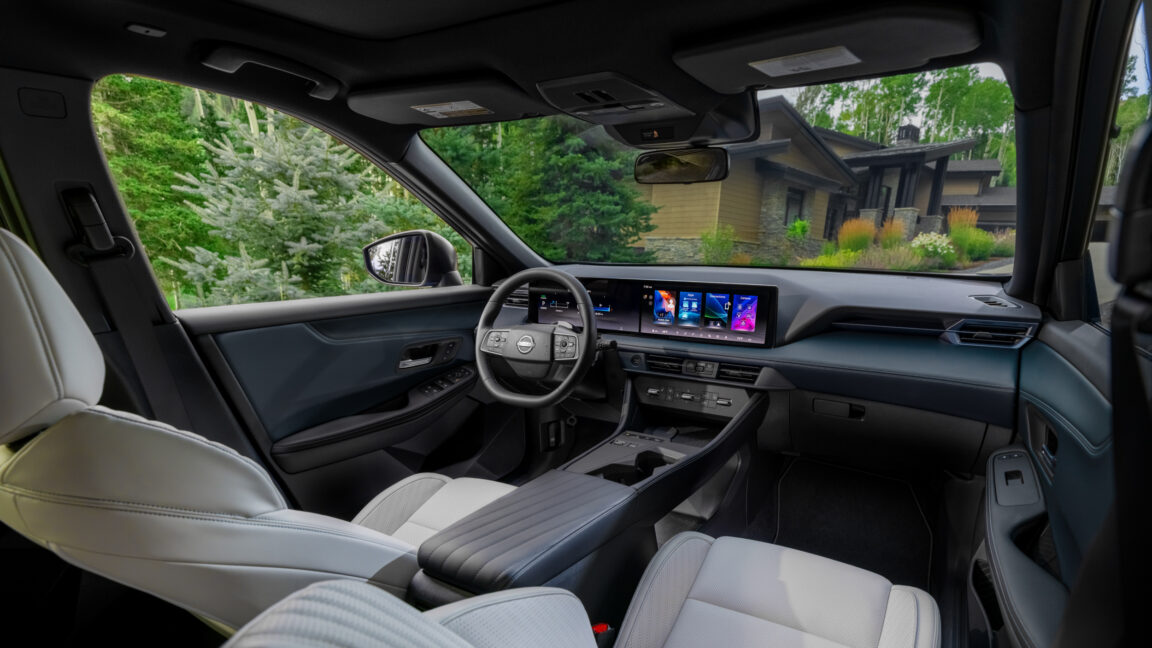
Nissan’s 2027 Rogue Hybrid combines a practical, family-focused interior with design details intended to make everyday use easier without becoming bland. According to designer Mr. Patel, the SUV emphasizes intuitive physical controls, wireless charging, easy-to-clean surfaces, abundant storage, and wide-opening rear doors, while its puffer-jacket-inspired seats add visual character.
A practical interior for family life
Most recently, Mr. Patel was responsible for Nissan’s best-selling family SUV, the new Rogue. Its interior is designed to be practical without appearing plain. Although it is not as minimalist as the all-electric Ariya, the new Rogue Hybrid uses buttons and switches for most controls and provides a useful amount of built-in storage.
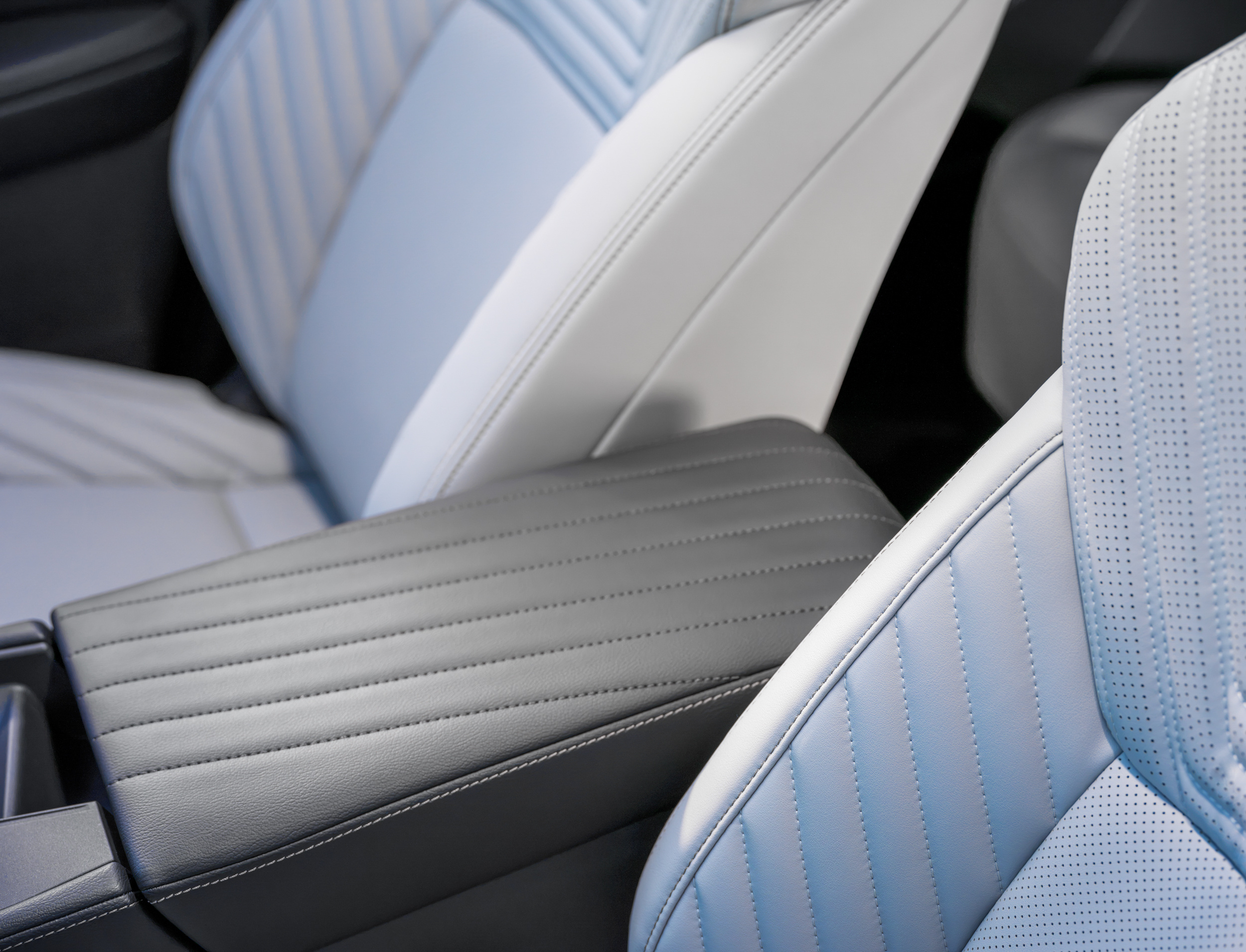
The cabin is also intended to avoid a boring, purely utilitarian look. The seats take inspiration from puffer jackets, giving the interior a distinctive design detail. The cabin does not rely on piano-black trim.
“People want easy, intuitive controls,” Patel says. “They want wireless charging. They want surfaces that are easy to manage and clean and keep clean and mess-free. And they want lots of places to store things. And lastly, they want easy access.”
That focus on access influenced the Rogue’s rear doors, which open to 90 degrees. The wider opening is intended to make it easier to place children in car seats or help elderly parents into the back seat. While that feature may not be a priority for a sedan marketed toward image-conscious customers, it is especially important in the family SUV segment.
“The target customer for this product…has a family and has a lot of stuff. So when they open the door, they immediately realize they have a place to put things,” Patel said.
Making practical design visually appealing
Utility does not necessarily have to be banal. Designers since the Bauhaus movement have shown that everyday products can be functional and visually engaging at the same time, and Patel described that balance as an important part of designing the Rogue Hybrid.
“One of the exciting things about building cars and designing everyday products is when you can make them beautiful,” he said. “Our everyday products have so much more going into them in terms of cost, engineering, ease of use, feasibility, and everything else. On top of that, we strive for every little millimeter we can get and do everything we can to make sure that the product is appealing from a visual standpoint.”
Source: arstechnica.com