


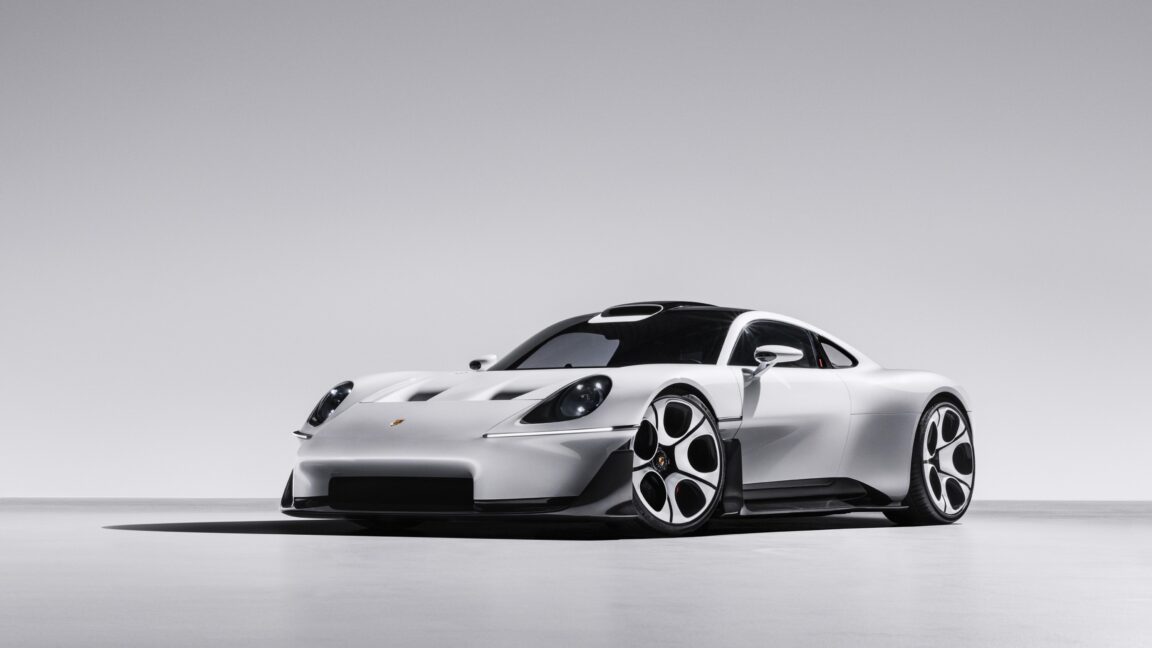
Porsche Mission S Concept Previews a New Mid-Engine Supercar
The Porsche Mission S offers a glimpse at the design and engineering ideas that could shape the brand for years to come. More than a one-off hypercar, Porsche describes the Mission S as a permanent and versatile addition to its lineup: a mid-engine super sports car positioned above the 911.
“Mission S offers a glimpse into the ideas and design characteristics that will shape Porsche for years to come,” says Reiters. “At the same time, the Mission S represents a mid-engine super sports car platform that sits on top of the 911, not as a one-off hypercar, but as a permanent and versatile addition to our customer offering.”
Porsche Mission S Design Combines Heritage and Modern Details
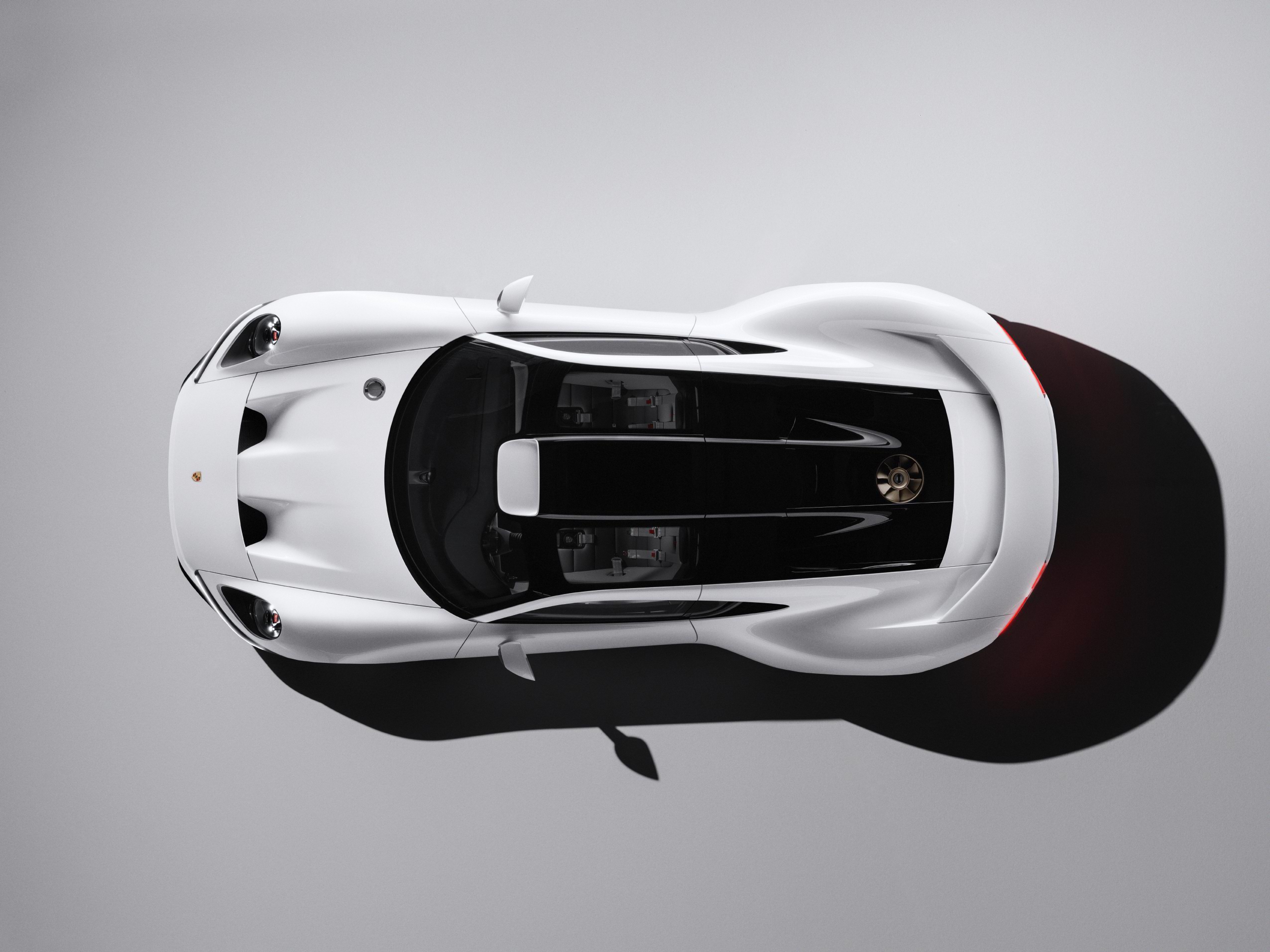
The Mission S previews the look and feel of future Porsche models, both inside and out. Its exterior styling recalls historic Porsches including the 917, 928, 959 and GT1. From some angles, the concept also resembles the Aston Martin One-77 and BMW i8.
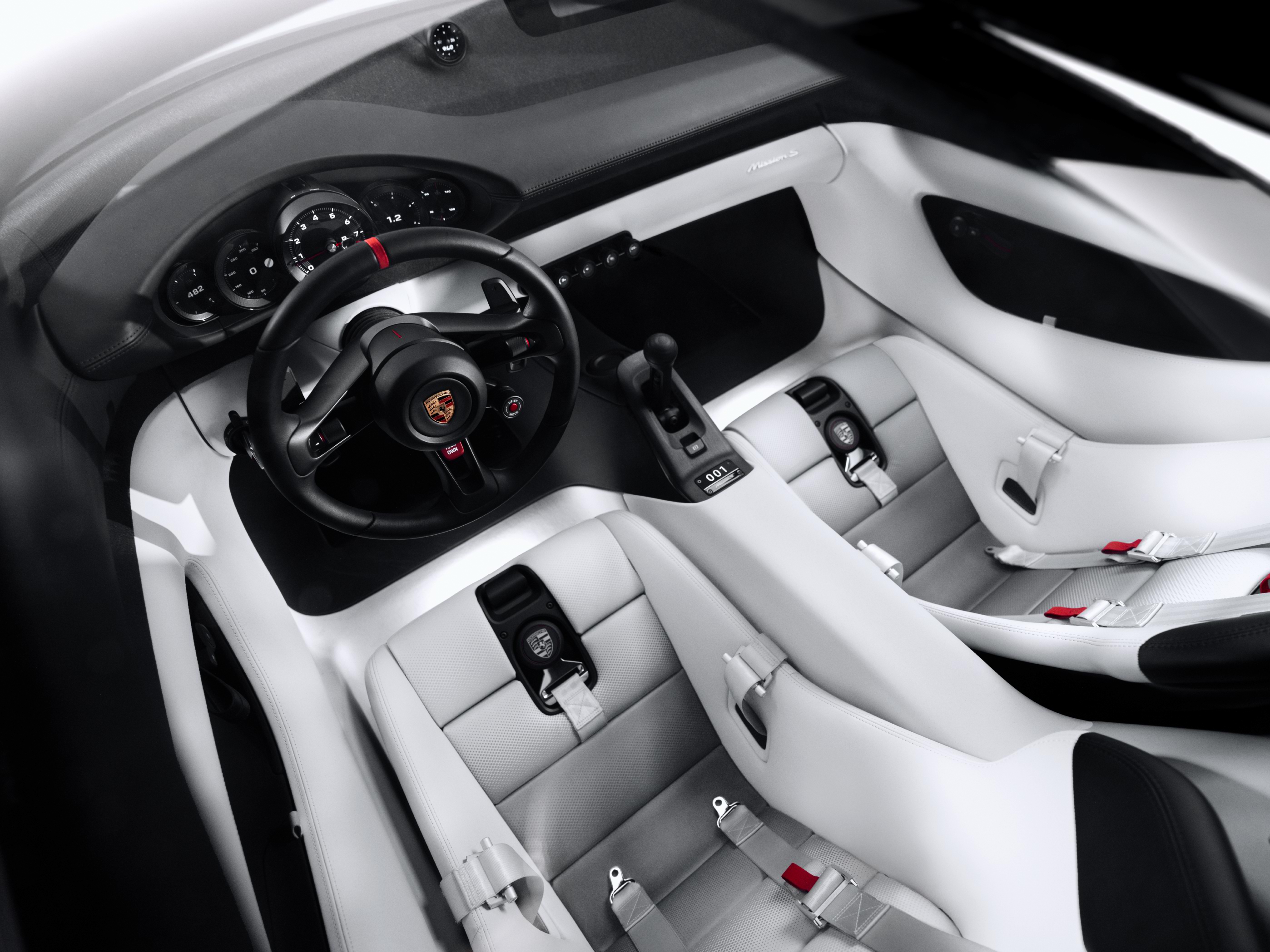
The interior draws on Porsche’s early history, particularly the 356 and 550 Spyder. Porsche says the Mission S is designed to combine tactile controls with digital feedback, placing the driving experience at the center of the cabin.
No Central Infotainment Screen in the Mission S
Screen-haters may find the cockpit especially appealing. The Mission S has no passenger display and no central infotainment screen. Instead, the driver’s smartphone docks to a MagSafe connector on the dashboard.
Mission S Powertrain Details Remain Unconfirmed
Porsche has not provided information about the Mission S’s powertrain. However, the concept’s rear exhaust pipes suggest that it uses an internal-combustion engine.
There is speculation that Porsche could install a flat-eight engine behind the cockpit, similar to the layout used by the 908 race car. That possibility follows rumors circulating over the past week that Porsche may be developing a flat-eight engine, as well as the recent engine design shown by Ruf.
It remains unclear whether the engine would use forced induction or hybridization. Given Porsche’s development of its electric T-Hybrid system, either technology—or both—could be possible, although the company has not confirmed those details.
Source: arstechnica.com