


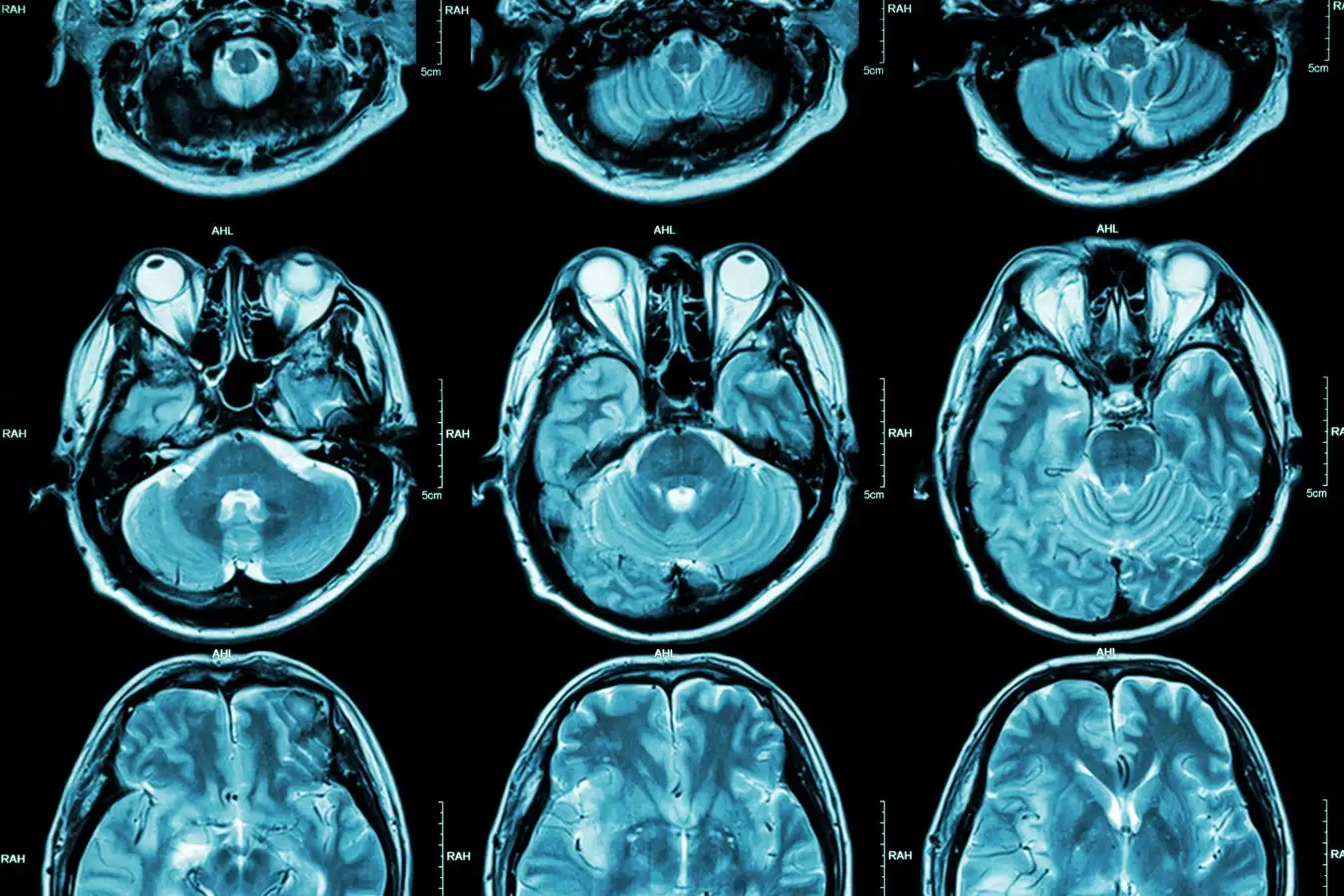

Brain scans indicate varying connectivity patterns among autistic individuals, highlighting distinct neurological mechanisms.
Puwadol Jaturautchai/Alamy
Research shows that individuals with autism may exhibit either strong or weak connections between various brain regions. These connectivity patterns suggest different underlying neurological mechanisms, leading to the recognition of multiple subtypes of autism, emphasizing its diversity.
“We have demonstrated the existence of distinct subtypes of autism linked to varying biological characteristics,” states Alessandro Gozzi, a researcher at the Italian Polytechnic University in Rovereto.
Autism, which affects approximately 780 individuals per 100,000, commonly includes challenges with social interactions, sensory sensitivities, and restrictive behaviors and interests. However, the manifestation of these traits greatly differs among individuals.
For years, researchers have utilized brain imaging techniques like functional magnetic resonance imaging (fMRI) to investigate potential “signatures” of autism. “No universal signature has emerged,” Gozzi remarks. Some studies indicate strong connectivity (“hyperconnectivity“), while others report weaker connections (“low connectivity“), or a combination of both.
Most studies fail to account for the diversity in autism, Gozzi points out. To delve deeper, his team examined 20 strains of mice with mutations in genes linked to human autism. fMRI scans revealed variable connectivity patterns: eleven mouse strains displayed hypoconnectivity, while nine showed hyperconnectivity.
“These differing connectivity patterns are attributable to distinct genetic mechanisms,” Gozzi explains. The research team mapped the proteins that interact with the mutated genes, discovering that genes linked to decreased connectivity engaged with synapse-related proteins, while those associated with hyperconnectivity interacted with proteins tied to gene regulation and immune responses.
The study also analyzed fMRI data from 940 individuals with autism and 1,036 age-matched controls. Among those with autism, 24% exhibited hypoconnectivity and 17% displayed hyperconnectivity. “This indicates the presence of two major biologically distinct autism subtypes,” Gozzi confirms.
However, 59% of individuals with autism did not fall into either category, necessitating broader research scope. “Our study does not claim these are the only existing subtypes,” Gozzi clarifies. They were merely the most discernible in their research.
Natalie Sauerwald, a researcher at New York’s Flatiron Institute, posits that the number of autism subtypes remains undetermined but believes the study aids in clarifying the biological diversity of autism.
Utilizing animal models for autism research presents challenges. Humans possess hundreds of genes, each playing a minor role in the likelihood of autism onset. Consequently, the selected mouse models may not encapsulate the full range of autism, as noted by Sauerwald.
Some of the genes studied are also linked to developmental delays, which means research in animal models may primarily reflect autism cases associated with such delays, leaving out the broader autistic population.
Ultimately, the challenge lies in correlating genetic factors with brain connectivity and behaviors to create a comprehensive understanding of autism’s diversity, as stated by Sauerwald.
Topics:
Source: www.newscientist.com