


Kepler says it has also used ferroelectric materials to increase SRAM density. This approach enables data to be read and written at lower voltages than the methods typically used to process and store data in semiconductor memory. The startup achieved this breakthrough by developing a new low-voltage composite material designed to work with ferroelectric technology.
Sashi Manipatruni, Kepler’s co-founder and chief technology officer, said the company tested 35 iterations of the composite material before developing a class of materials that could make memory chips easier and less expensive to manufacture.
“Once we found a way to solve the physical problems, such as the limitations of high-bandwidth memory (HBM), we developed a material innovation that increases the amount of memory that can be stored between chips,” he says.
During its initial collaboration with GlobalFoundries, Kepler says it transformed an existing facility into a “next-generation” semiconductor factory in just eight months—far faster than the typical 24-month timeline.
“The ultimate goal is to push existing fabs and chip architectures to the limits of physics,” Olaosebikan said.
Kepler is betting that the cost of developing new materials and retrofitting existing semiconductor factories will be significantly lower than the estimated $20 billion to $40 billion required to build a new facility and equip it with hundreds of millions of dollars’ worth of manufacturing equipment.
Waiting for Scale
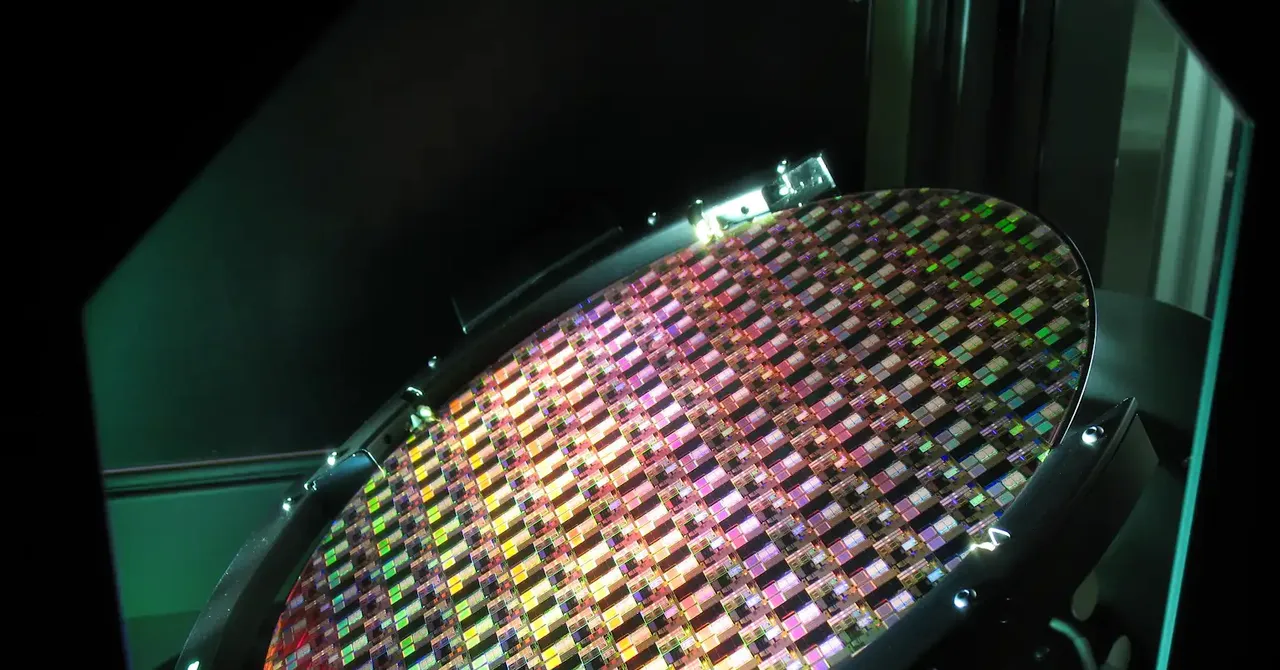
Kepler Computing still has a long way to go before reaching full-scale production, assuming it gets there. So far, the company has implemented its technology on approximately 2,000 wafers. Kepler plans to ship its first HBM chip samples later this year, expand production in Singapore next year, and begin manufacturing chips in the United States in 2028.
Kaste, the GlobalFoundries executive, said he is confident that “fundamental progress has been made. What remains is achieving consistent results across thousands of wafers and millions of devices.”
One challenge associated with material systems like Kepler’s is that the composite contains iron. “Iron is a difficult contaminant to introduce into a production facility, so Kepler’s solution must either be processed on specialized equipment or completely encapsulated to prevent iron from spreading,” he says.
“The trick is to keep the materials properly segregated throughout the production process,” says Kaste.
Source: www.wired.com