


Close Menu
HitechubHitechub
    What's Hot
    Science

    Moon Meteorite Holds Key Evidence of Massive Asteroid Impact

    Science

    How Quitting Cigarettes and Vaping Can Reduce Cancer Risks After Smoking

    Science

    Achure’s Expert Toolmakers: Selecting Stones with Unmatched Precision

    Important Pages:
    • About Us
    • Privacy Policy
    • Terms & Conditions
    Facebook X (Twitter) Instagram Pinterest
    Facebook X (Twitter) Instagram
    HitechubHitechub
    Friday, June 26
    • Technology
      1. AI
      2. Gadgets
      3. View All

      This is the most popular CEO in the world

      Sectors in which “Chat-GPT” is most often used

      AI Pioneer Expresses Concern About Potential for AI to Surpass Humanity

      Artificial intelligence has begun to “swallow” professions

      What’s new in Android 14

      Europeans have about 700 million old mobile phones in their drawers

      Here’s how you can tell if your phone is being tapped

      “Sneaker X” – computer case in the shape of a sneaker

      Russian Gamers Unite to Prevent Nuclear War: Join the Fight Online

      Challenges of Space Travel: Why Journeying to Space is So Difficult

      NASA Astronaut Casts Historic Vote from Space

      Discover the Future of Comfort: What If You Could Wear a Chair?

    • Science
      1. Space
      2. Wheels
      3. View All

      Galaxies in the universe are growing more slowly than they should

      “Espace” presented the new lander “Apex 1.0”

      The largest asteroid sample ever collected has arrived on Earth

      (VIDEO) Incredible flight of the Parker Solar Probe

      Toyota wants to make a new generation battery with a range of up to 1,200 km

      Meet Toyota’s lunar “baby” that could make exploring the Moon easier

      Microlino – Is this the perfect city car?

      Alfa Romeo 4C gets an electric successor

      The Ultimate Guide to the Best and Worst Washing Temperatures for Laundry

      First Discovery of Ancient Human DNA in Cave Paintings: A Breakthrough in Archaeology

      Rare Gene Increases Cancer Risk: 100% Probability Explained

      Exploring Brazil’s Extensive Network of Free Milk Banks: A Lifesaving Resource for Infants

    HitechubHitechub
    Home » Why You Should Be Concerned About the Upcoming Heatwave
    Science

    Why You Should Be Concerned About the Upcoming Heatwave

    Share Facebook Twitter Pinterest WhatsApp
    Share
    Facebook Twitter LinkedIn Pinterest WhatsApp

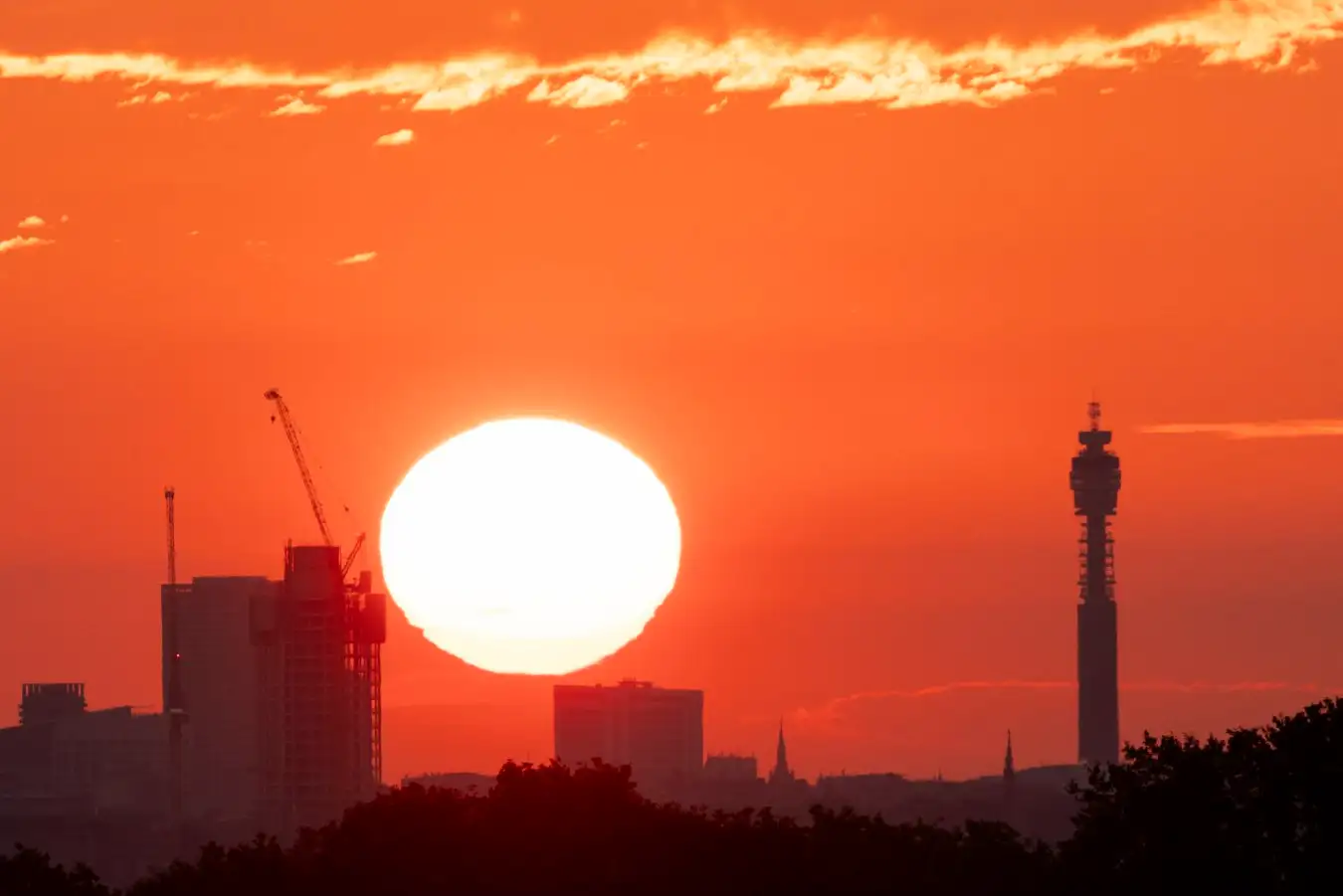
    A red heat warning has been issued for parts of the UK, including London, this week.

    Brooke Mitchell/Getty Images

    The ongoing heatwave affecting Europe is alarming. With numerous records shattered, the rise in temperatures, especially during the night, presents significant challenges. I can’t help but wonder, “If conditions are this severe now, what will they look like in 10, 20, or even 30 years?”

    Unfortunately, the answer is clear: it will only get hotter. The Met Office predicts that by 2056, UK temperatures could soar above 40°C (104°F) for days at a time, potentially reaching an alarming 45°C (113°F) in some locations. This reality is not just about the present; it signifies a relentless trend towards more extreme heat, well encapsulated in discussions about the so-called “new normal.”

    Surviving intense heatwaves is feasible if our infrastructure and systems are adequately prepared, but the UK is far from ready. For instance, offices at New Scientist struggle to cope with the current heat, with many individuals suffering without air conditioning. A recent conference on adapting to extreme heat during London Climate Action Week was ironically canceled due to extreme temperatures.

    Climate scientists persistently emphasize the urgent need to prepare for escalating heatwaves, severe droughts, and rising sea levels. While media coverage spikes during extremes like the current heatwave, interest wanes once temperatures cool, resulting in a delayed response.

    This perspective is echoed by the UK Climate Change Committee, which warns that “adaptation progress is either too slow, stagnant, or heading in the wrong direction,” as outlined in their 2022 report. There’s a common misconception that the UK’s environment will remain consistently pleasant, but the reality is dire; the country is on a path toward potential disaster, yet awareness remains minimal.

    Several aspects of this situation are concerning. Firstly, emissions continue to rise, exacerbating the root causes of climate change. While the rate of increase may be slowing, the Earth’s average surface temperature is expected to rise between 2.1°C and 3.3°C by 2100, if not more.

    These troubling figures can be misleading because oceans warm more slowly than land, resulting in an increase in average surface temperatures that may not fully reflect the coming impacts.

    What truly matters are the instances of extreme weather rather than average conditions. Projections for future extremes are already grim, with many scientists believing that we will face even greater extremes than currently anticipated. Some regions are already experiencing more severe heatwaves than predicted, which may be attributed to climate models underestimating shifts in jet stream dynamics and not accounting for reductions in air pollution that typically shield sunlight.

    The potential ripple effects of extreme weather conditions are vast and complex, making them difficult to predict. Nonetheless, it is likely that we are underestimating their impact. For instance, as heatwaves intensify, young populations could face significant mortality rates. Furthermore, the fundamental human need for sustenance is at risk. Evidence suggests that global warming is already impacting agricultural productivity, driving food prices up, and prompting deforestation as farmers struggle to adapt.

    Moreover, simultaneous extreme weather occurrences could lead to unparalleled economic turmoil. A 2024 study warns that this could trigger the worst global financial crisis in history.

    We have yet to consider unpredictable variables, such as the decline of the Amazon rainforest or alterations in the Atlantic Meridional Overturning Circulation. A researcher I met recently indicated that the slowing of this crucial ocean current roughly 12,000 years ago resulted in significant seasonal variations, including sweltering summers and winter temperatures plunging to extreme lows in regions like Britain.

    The truth is that the global landscape is shifting rapidly, necessitating comprehensive changes across all facets of life, including our homes, workplaces, factories, schools, transportation, and agriculture. However, these adaptations are not happening quickly enough. Therefore, if you’re not yet alarmed by the current heatwave, it’s time to be concerned.

    Topics:

    • Climate Change/
    • Extreme Weather

    Source: www.newscientist.com

    Share. Facebook Twitter Pinterest LinkedIn WhatsApp
    Previous Article2026 Solar Eclipse: Ultimate Guide on Where, When, and How to View It
    Next Article How Phages Could Harness Vaccine Immunity to Target and Eliminate Cancer Cells

    Related Posts

    Science

    The Ultimate Guide to the Best and Worst Washing Temperatures for Laundry

    Science

    First Discovery of Ancient Human DNA in Cave Paintings: A Breakthrough in Archaeology

    Science

    Rare Gene Increases Cancer Risk: 100% Probability Explained

    Science

    Exploring Brazil’s Extensive Network of Free Milk Banks: A Lifesaving Resource for Infants

    Science

    Can Video Games Enhance Our Understanding of Quantum Mechanics?

    Science

    Exploring the Cosmos: My Journey into Science Fiction Inspired by a World-Ending Supernova – New Scientist Book Club

    Science

    New Scientist Book Club: Exclusive Excerpt from “Slow Gods” by Claire North

    Science

    Europe’s Record-Breaking Heatwave: Hottest and Wettest Conditions Ever Recorded

    Add A Comment
    Leave A Reply Cancel Reply

    Stay In Touch
    • Facebook
    • Twitter
    • Instagram
    • Pinterest
    Top Picks
    Wheels

    BMW XM surprises in a moose avoidance test

    One of the most difficult models in the field of passenger cars surprised the moose avoidance test. BMW XM.

    Where is the anti-universe where time flows backwards?

    Atom-Based Quantum Computers: Accelerating Towards Practical Applications

    Incredible Footage of Jesus Christ Lizard Running on Water

    Ancient Oceans Lost Oxygen Millions of Years Before End-Triassic Mass Extinction

    Most Popular
    Science

    Discover the Simple Method to Slow Brain Decline That Most Haven’t Tried

    Science

    Instant Stress Relief Techniques: Quick Tips for Finding Peace Instantly

    Categories
    • AI (13)
    • Gadgets (10)
    • Science (380)
    • Space (9)
    • Technology (37)
    • Wheels (9)
    Our Picks
    Science

    The 10 Key Security Analytics You Need for Effective Security

    Science

    How Plants Altered Magma Chemistry: Insights from Sciworthy

    © 2026 Hitechub.
    • Home
    • About Us
    • Privacy Policy
    • Terms & Conditions

    Type above and press Enter to search. Press Esc to cancel.

    We are using cookies to give you the best experience on our website.

    You can find out more about which cookies we are using or switch them off in .

    Ad Blocker Enabled!
    Ad Blocker Enabled!
    Our website is made possible by displaying online advertisements to our visitors. Please support us by disabling your Ad Blocker.
    Go to mobile version
    Hitechub
    Powered by  GDPR Cookie Compliance
    Privacy Overview

    This website uses cookies so that we can provide you with the best user experience possible. Cookie information is stored in your browser and performs functions such as recognising you when you return to our website and helping our team to understand which sections of the website you find most interesting and useful.

    Strictly Necessary Cookies

    Strictly Necessary Cookie should be enabled at all times so that we can save your preferences for cookie settings.