


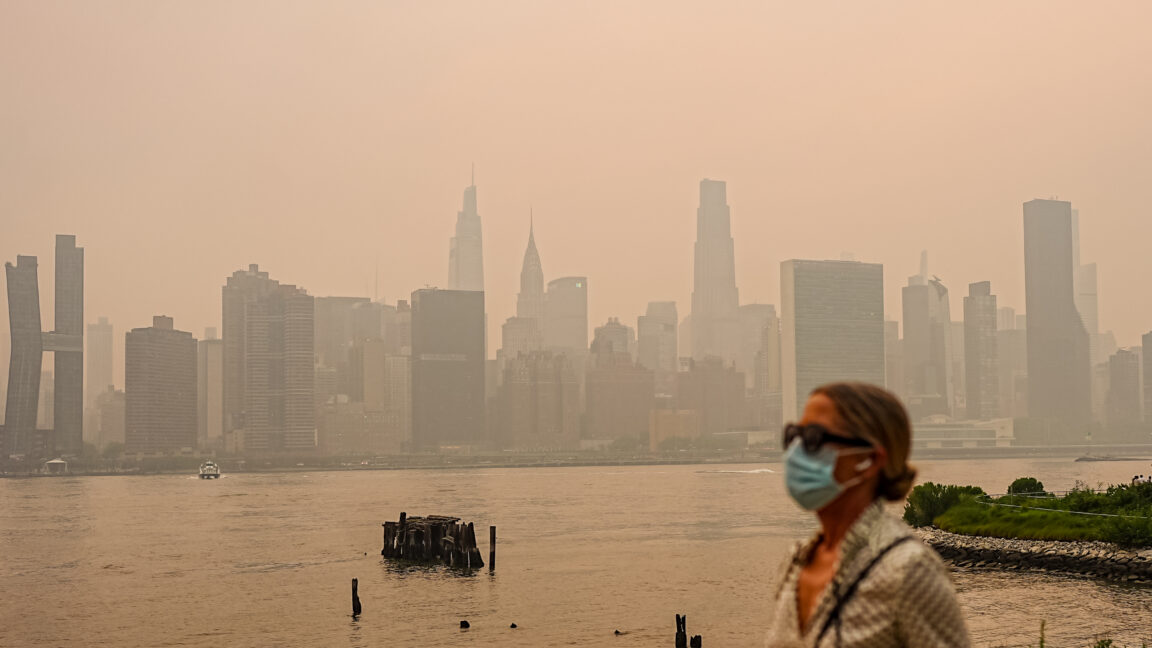
A new study underscores the growing health risks of wildfire smoke exposure during pregnancy, particularly for families living in low-income, rural, American Indian, and Alaska Native communities. Researchers found that wildfire-related air pollution increased substantially in the Western and Northwestern United States during the study period, exposing more pregnant people and newborns to dangerous levels of fine particulate matter, known as PM2.5.
The study did not examine how much time mothers spent outdoors, whether they wore N95 masks, or whether their homes had air filtration systems. Study author Boudreau acknowledged that these are important limitations. However, data from air-quality monitoring networks such as PurpleAir shows that wildfire smoke can infiltrate homes, allowing significant amounts of PM2.5 pollution to accumulate indoors.
The research highlights how wildfire smoke disproportionately affects vulnerable populations. In the West and Northwest, wildfires’ contribution to air pollution more than doubled over the study period. Communities experiencing the most severe wildfire-related declines in air quality—including low-income, rural, American Indian, and Alaska Native communities—are also often among those with the least access to prenatal and neonatal care.
Exposure to wildfire smoke before birth and during early life may contribute to long-term health problems. Reducing prenatal exposure to smoke and PM2.5 pollution could therefore provide lasting health benefits for children, Boudreau said.
Boudreau noted that the West and Canada have experienced several devastating wildfires over the past six years. If the research team extended its analysis through 2026, wildfires could account for an even larger share of unhealthy prenatal air pollution exposure. However, he emphasized that this remains speculation.
What is clear, Boudreau said, is that wildfire smoke is responsible for an increasing number of “acute, high-pollution days” that may threaten infant health. “What this tells us is that the next frontier is how people can manage their exposure to wildfire smoke, which is a different type of exposure than environmental pollution from other sources,” he said.
Protective measures could include providing communities with clean-air shelters, portable air filters, and better access to medical care for people who become ill after smoke exposure. Ultimately, Boudreau said, the broader question is whether society can reduce the health risks associated with climate change and the increasingly severe wildfires it can fuel.
This article was first published by Inside Climate News, a nonprofit, nonpartisan news organization covering climate, energy, and the environment. Sign up for its newsletter here.
Source: arstechnica.com