


1,700-Year-Old Fragment of Homer’s Odyssey Found in Dutch Library
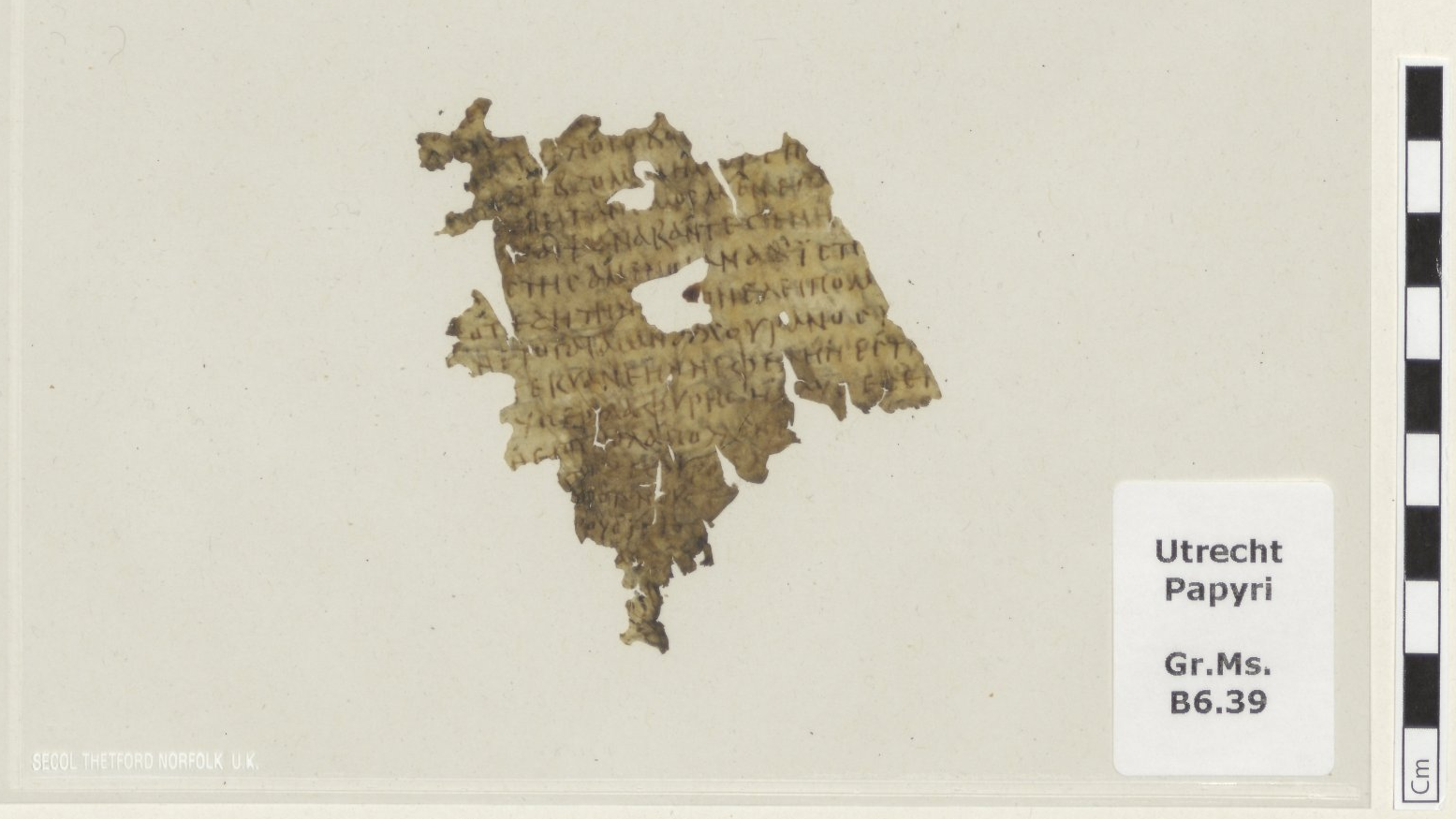
A torn piece of ancient parchment discovered in a Dutch library contains a passage from Homer’s Odyssey—a rare glimpse of a pocket-sized edition of the epic poem produced in Egypt around 300 AD.
The fragment was found by a Greek literature expert from Radboud University while studying early Christian manuscripts and other Egyptian and Greek texts purchased by Utrecht University Library in the mid-20th century. The discovery was detailed in a statement from Utrecht University.
The researcher recognized the words on the small piece of parchment as a passage from Homer’s epic poem. “There are a lot of boring parts of The Odyssey,” the researcher told RTV Utrecht. “This is a really fun passage.”
What the ancient Odyssey fragment describes
The newly identified fragment measures only about 2.6 by 3 inches (6.6 by 7.7 centimeters). It contains verses from Book 12 of the Odyssey, describing the consequences of a deadly act by Odysseus’ crew.
In the passage, the sun god Helios discovers that Odysseus’ men have killed and eaten his “immortal” cattle. The goddess Circe had warned Odysseus to avoid Thrinakia, the island sacred to Helios. However, after surviving the six-headed monster Scylla and the whirlpool Charybdis, Odysseus and his crew reach the island.
When food becomes scarce during a month-long storm, Odysseus’ right-hand man, Eurylochus, urges the crew to go ashore. Odysseus agrees on the condition that they leave Helios’ cattle unharmed. The starving men eventually break that promise and slaughter the sacred animals.
Helios then asks the gods to punish the crew. Zeus destroys their ship, killing everyone except Odysseus.
A rare example of an ancient pocket edition
The fragment may have come from a parchment manuscript dating to the third or fourth century AD, possibly produced in Egypt’s Fayoum oasis. Researchers believe it could have belonged to a pocket-sized version of the Odyssey.
According to the university’s statement, only about 30 pieces of similar material have been identified. The newly discovered fragment may have survived because it came from the middle of the small manuscript, where it was protected by surrounding pages.
It remains unclear how the parchment became part of Utrecht University Library’s larger collection of ancient Egyptian texts.
Another Homeric fragment discovered this year
The discovery is the second reported Homeric fragment found unexpectedly this year. Egyptian archaeologists previously discovered a papyrus fragment of the Iliad inside a Roman mummy. That text described the legend of the Trojan War.
The Iliad and the Odyssey are generally believed to have been composed in the late eighth or early seventh century BC. The Iliad recounts the 10-year Trojan War, while the Odyssey follows the Greek hero Odysseus during his 10-year journey home from Troy to Ithaca.
Although the fragment was first identified in 2024, a complete study of Utrecht University Library’s collection of Greek and Roman texts from Egypt is expected to appear in the book Hieratic, Demotic, Greek, and Coptic Texts from the Utrecht University Collection.
Source: www.livescience.com