


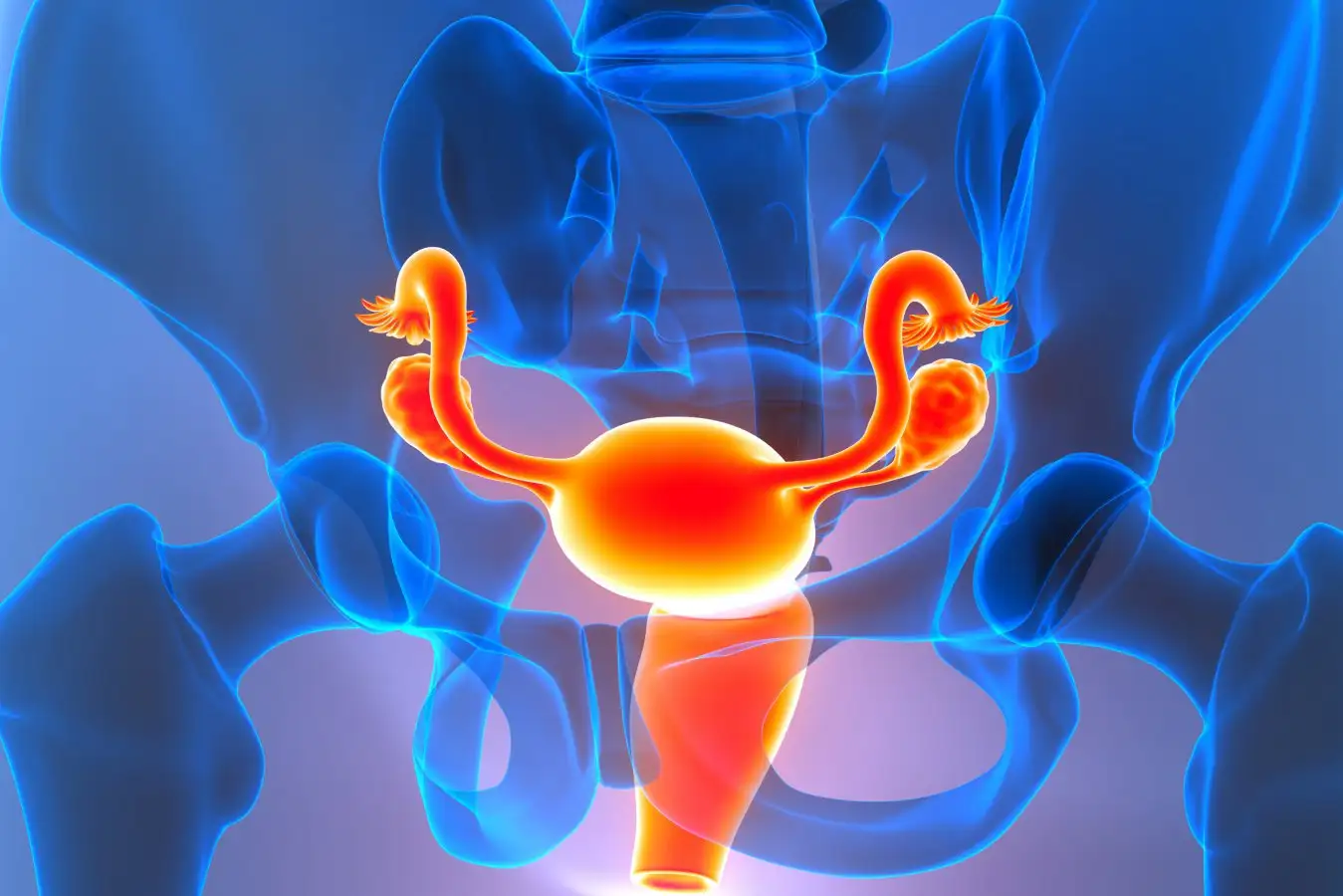
Ovaries Play a Crucial Role in Postmenopausal Health
Magic Mine/Getty Images
Traditionally, it was believed that the ovaries became dormant after menopause, remaining unaffected in their post-reproductive state. However, recent findings suggest that these organs might be linked to significant postmenopausal inflammation due to immune cells infiltrating the ovaries of older mice.
“We previously thought the ovaries had completed their function post-reproduction,” says Francesca Duncan, a researcher at Northwestern University in Illinois. “Our results revealed unexpected changes.”
In a recent study published in March, Duncan and her team analyzed the protein profiles of ovaries in postmenopausal women aged 50 to 75. Contrary to their expectations of uniformity, they discovered significant molecular variations, indicating that the ovaries evolve over time rather than remaining static.
To further investigate these changes, Duncan’s team is examining mouse ovaries at various stages: young (2 months old), reproductive age (18 months), and post-reproductive (24 months). Unlike human beings, mice do not experience menstrual cycles; their endometrial lining is reabsorbed. Though they don’t technically undergo menopause, their fertility declines as they age, paralleling human experiences.
The research unveiled expected outcomes—older ovaries exhibited fewer egg-producing follicles and showed increased scarring. Hormone-producing genes, including those related to estradiol production, were downregulated. However, intriguingly, the study also revealed heightened activity in genes associated with inflammation and immune response, with a notable increase in immune cell populations such as T cells and macrophages in older ovaries.
While further investigation is necessary to understand the implications of these findings on immunity and overall health, Duncan proposes that this could signify a transformative shift in ovarian function post-reproduction, rather than a shift towards increased immune efficiency. “The ovaries seem to lose reproductive abilities while gaining immune functions; it’s a double-edged sword,” she notes.
Aging tissues often face chronic low-grade inflammation, and with immune cells playing a pivotal role, Duncan suspects that the ovaries may inadvertently exacerbate inflammatory conditions by releasing signaling molecules post-reproduction. “It’s conceivable that these changes could communicate with other body systems,” she suggests.
While Duncan’s study was conducted solely on mice, Diana Laird from the University of California, San Francisco, posits that similar immune alterations could occur in humans, highlighting reproductive analogies between species. “Both species cease cycling once the oocyte supply is depleted, and common traits like fibrosis and nerve distribution changes exist,” Laird explains.
Duncan continues to explore why these immune adaptations may have evolved in older mice. If transferable to humans, these adaptations might have provided survival advantages in earlier times when lifespan was shorter but could contribute to autoimmune disorders in modern contexts.
This research prompts intriguing questions regarding the ovaries’ ongoing role post-menopause. Typically regarded as inactive, ovaries continue to secrete hormones like androgens essential for bone density and libido. Yet, Laird argues that growing evidence indicates that immune alterations within the ovaries could trigger heightened inflammation, leading to conditions like rheumatoid arthritis in postmenopausal women. “This discovery underscores the need for in-depth studies on the cellular and molecular aspects of the post-reproductive ovary,” she concludes.
Topics:
Source: www.newscientist.com