


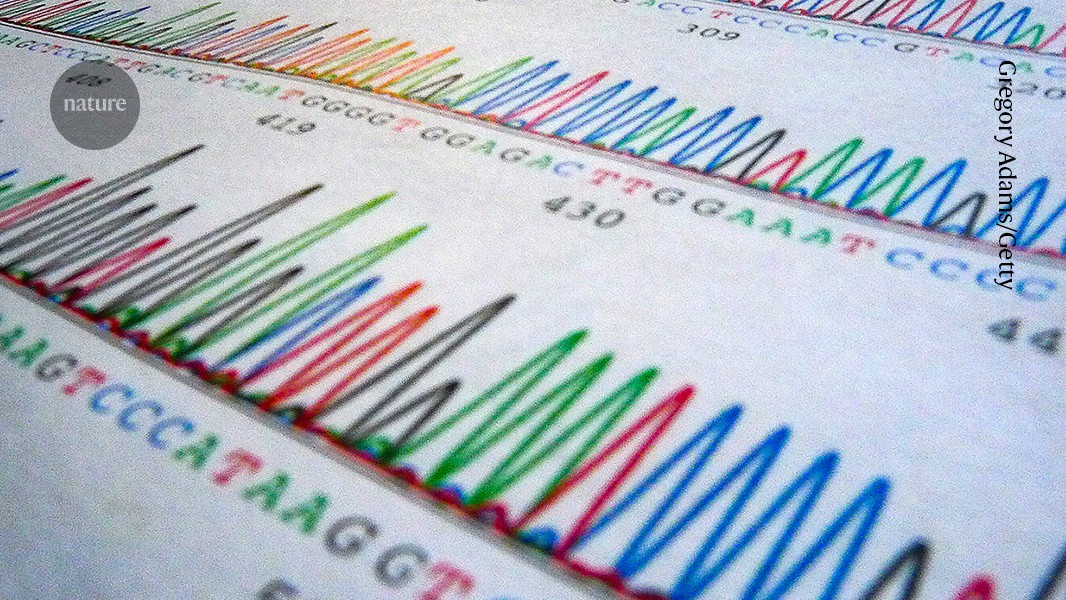
Through the analysis of large population genomes, we can link specific genetic mutations to particular diseases.
Credit: Gregory Adams/Getty
Recent Research on Borderline Personality Disorder (BPD)
New findings have unveiled significant genetic risk factors associated with borderline personality disorder (BPD).
This groundbreaking analysis published in Nature Genetics on July 201 represents the largest genome-wide association study (GWAS) focused on BPD to date. Researchers identified 11 relevant loci in the human genome and discovered nine functional genes strongly associated with BPD.
Approximately 2% of individuals in Western countries are affected by this condition, with women being three times more likely to receive a BPD diagnosis than men.
Both genetic and environmental factors contribute to the risk of developing BPD. However, the disorder has historically received limited attention from psychiatric genetics, as highlighted by study co-author Fabian Streit, a psychologist at the Central Institute for Mental Health in Mannheim, Germany. To date, only one GWAS has been published focusing on this disorder, revealing no significant mutations linked to it.2
Andrew McIntosh, a psychiatrist from the University of Edinburgh specializing in the genetics of mental illnesses, emphasized that these findings suggest that genetic methodologies similar to those applied in researching diseases like schizophrenia, depression, and bipolar disorder could be beneficial for studying BPD.
“This is a remarkable advancement given the lack of large-scale studies previously conducted on this disorder,” McIntosh stated.
Understanding Genetic Factors in BPD
Borderline personality disorder is characterized by long-term patterns of emotional instability, cognitive distortions, and tumultuous interpersonal relationships. Individuals with BPD can endure acute crises, occasionally requiring hospitalization, according to McIntosh.
These complexities make participant recruitment for studies notably challenging.
In the current investigation, Streit and colleagues merged data from 27 studies that either recruited BPD patients or analyzed genetic and health records from biobanks, encompassing all participants of European descent.

Large-scale genetic study uncovers hidden links between mental illnesses
Researchers initially analyzed over 6 million genetic markers across two cohorts: 12,339 individuals with BPD and over 1 million without the disorder. Six genomic regions containing genetic variations linked to BPD were identified. These findings were validated in a replication analysis involving 685 individuals with BPD and 107,750 without.
Combining both analyses revealed five additional genomic loci associated with BPD. McIntosh noted that these “five variants will be confirmed in future independent studies.”
Streit et al. estimated that the newly identified genetic variants account for approximately 17% of the genetic risk for BPD, indicating that while genetics play a crucial role, the complete etiology of the disorder remains elusive. “We may never fully explain the complexities of BPD,” Dr. Streit remarked.
Previous family and twin studies3,4 have suggested that the heritability of BPD ranges from 46% to 69%.
Source: www.nature.com