


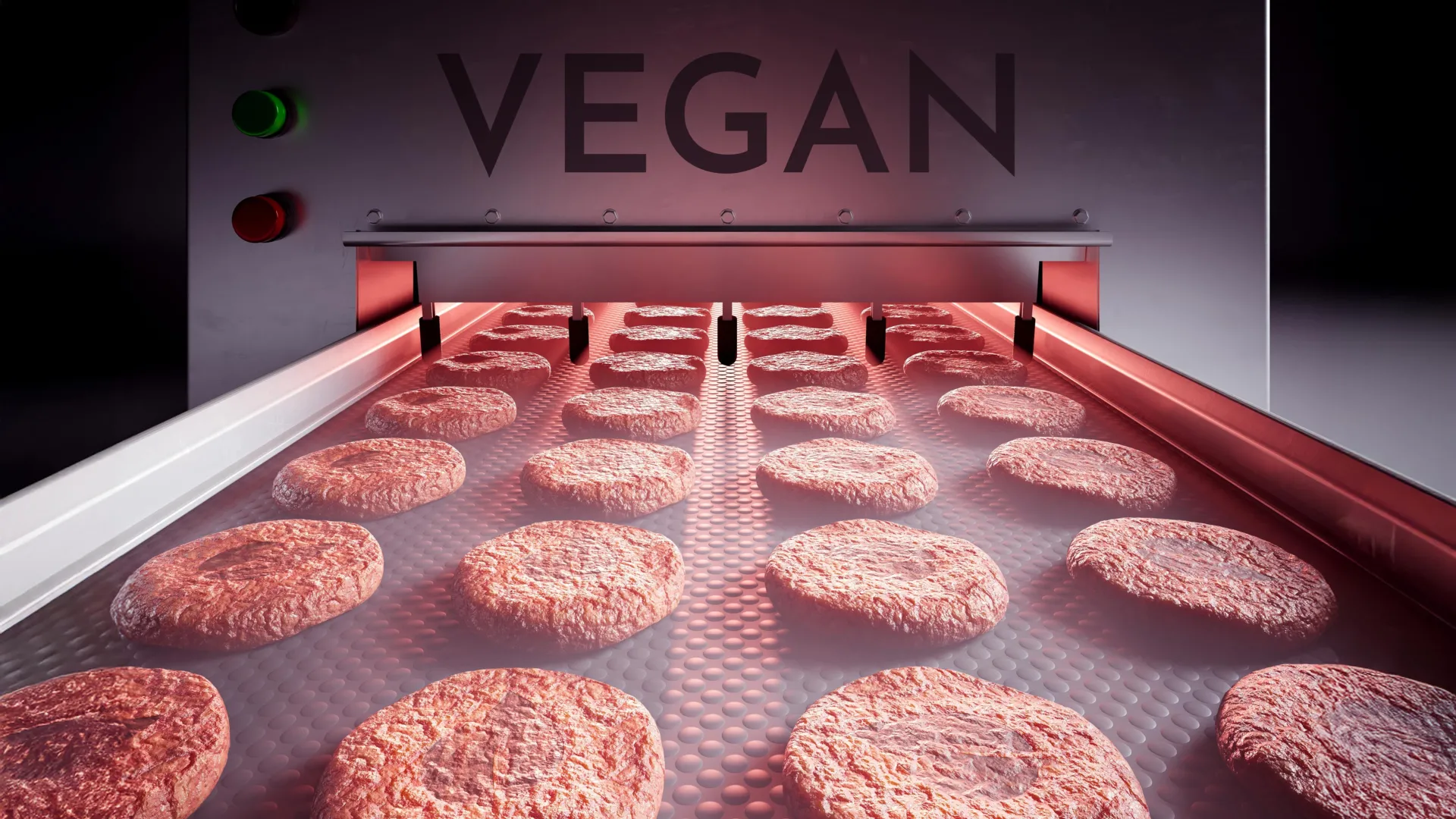
A major UK study has detected mycotoxins—naturally occurring toxic compounds produced by fungi—in plant-based foods and drinks, including vegetarian and vegan meat alternatives.
Researchers analyzed 212 plant-based meat alternatives (PBMAs) and plant-based beverages purchased from UK stores. Every product tested contained at least one of 19 mycotoxins, while some products contained several types.
Led by the University of Parma in Italy and co-authored by Cranfield University, the study examined a broad selection of products available to UK consumers. These included plant-based burgers, vegetarian chicken pieces, vegan sausages, oat drinks, almond milk and soy milk.
Why mycotoxins are found in plant-based foods
Mycotoxins can occur naturally in plant-based products because ingredients such as grains, legumes and seeds may be exposed to mold during cultivation, harvesting, processing or storage.
Although mycotoxins were widely detected, the concentrations found in the UK products remained below recommended European Union guideline levels. The researchers said this reflects the high food safety and quality standards maintained by the UK food industry.
Could long-term exposure to mycotoxins pose a health risk?
The main concern may not be the amount of mycotoxins in a single product, but repeated exposure over time. Previous research suggests that consuming small amounts regularly could contribute to cumulative exposure and may increase potential health risks.
Eating individual plant-based products is unlikely to cause health problems on its own. However, the researchers said that people following diets based entirely on plant foods could experience greater cumulative exposure if mycotoxin levels are not carefully monitored. At high exposure levels, mycotoxins have been linked to liver and kidney damage, weakened immune function and cancer.
The findings provide new data to help estimate dietary exposure and improve food safety risk assessments for consumers in the UK.
Experts call for stronger monitoring of plant-based products
Andrea Patriarca, Senior Lecturer in Mycology at Cranfield University, said:
“Mycotoxins occur naturally in food and cannot be completely avoided. As consumers, we should not be afraid of or shy away from different products.
“However, there is currently no established regulation specifically designed to monitor mycotoxins in these products, which raises concerns as new foods enter the market. We work closely with different areas of the food industry, from farmers to food manufacturers, to help implement effective mycotoxin controls as part of wider food safety standards. Our research data will help food safety agencies assess potential risks, particularly in complex, multi-ingredient products.”
“We are currently working with the University of Parma to assess the risks faced by the population under different dietary patterns. Our aim is to advise policymakers and raise awareness among vulnerable consumers.”
The full research paper, “Mycotoxin contamination in plant-based beverages and meat substitutes: a UK market study,” is available at Food Management.
This study was carried out under the European Union-funded Horizon Europe FunShield4Med project (HORIZON-WIDERA-2021-ACCESS-03), grant agreement number 101079173.
Source: www.sciencedaily.com