


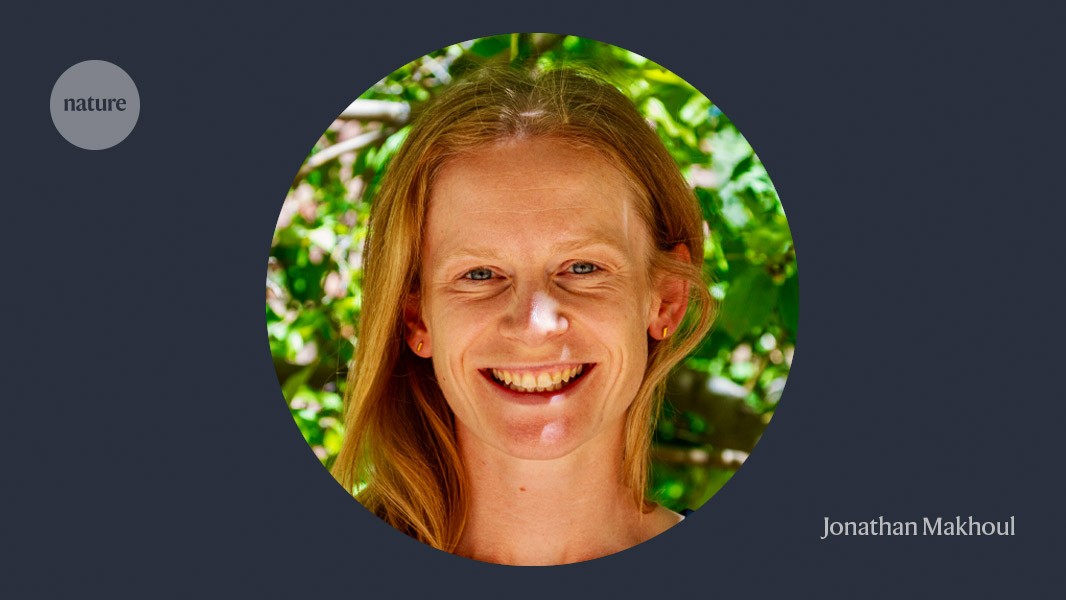
“You didn’t run this morning, right?” My coworkers are well aware that when I’m not training, I tend to get a bit restless. The post-workout endorphins enhance focus, boost efficiency, and contribute to a positive atmosphere in the lab. Moreover, the skills I’ve honed through high-performance endurance sports are incredibly relevant to my career as a scientist.
This summer, I compete in skyrunning and mountain races, while in winter, I dive into ski mountaineering—a sport that made its Olympic debut this year. Ski mountaineering combines climbing up mountains while carrying skis and gear, followed by a thrilling descent. During weekdays, I focus on biomaterials research, synthesizing innovative materials, culturing cells, and conducting in-depth characterization and analytical experiments. Additionally, I oversee the administrative operations of a dynamic 20-person lab.
Resilience is a crucial yet frequently overlooked trait in the scientific realm. Disappointing results from experiments, unsuccessful grant applications, and challenging peer reviews can be discouraging. I apply the same 24-hour rule I use to cope with race setbacks: permitting myself to feel negative emotions for a day before regrouping, refocusing, and moving ahead. Similarly, in sports, achieving victory is merely one goal—secondary objectives, like finishing in the top 10 or maintaining optimal hydration and nutrition, are equally important.
This mindset can greatly benefit researchers as well. While getting a paper accepted for publication or having an experiment succeed is fulfilling, gaining deeper insights into your subject, mastering experimental techniques, and honing your academic writing skills are valuable achievements too.
My training has taught me that “later never goes away.” If you skip your morning workout, the chance of it disappearing altogether is high. This perspective has positively impacted my approach to research inquiries, enhancing my abilities as a colleague, leader, and employee. Time and again, I’ve put off simple tasks, only to discover they took just a few minutes. To combat procrastination, I’ve blocked out 1-2 hours of administrative time in my calendar, which has notably diminished, if not completely removed, my to-do list.
Endurance sports may seem like a solo pursuit, but they thrive on teamwork: coaches, nutritionists, training partners, and managers are all integral to success. Athletes rely on this support network to ensure they’re race-ready and to alleviate pressure on race day. Similarly, researchers can benefit from collaborating closely with advisors, labmates, mentors, and journal editors to build a solid support framework. If you’re overwhelmed, communicate your concerns to your research support network.
Academia often fosters a culture of overwork, akin to the strenuous demands of endurance sports. The “more is better” mentality may yield short-term gains, but it often leads to long-term burnout and injuries. In both domains, peer comparisons and (both real and perceived) pressures from coaches, advisors, and collaborators are pervasive. Research into sports training practices highlights the significance of rest, promotes dialogue regarding overtraining risks, and advances safety equipment—essential for preventing burnout in endurance athletes.
Researchers, too, need strategies to recognize when they are pushing their limits and to collaborate with advisors on workload management. It’s crucial to be able to assertively say “no” or “yes, but not right now” when juggling too much work. Advisors prefer to rearrange deadlines proactively rather than deal with last-minute submissions. So, if you’re facing challenges, don’t hesitate to reach out for support.
Source: www.nature.com