


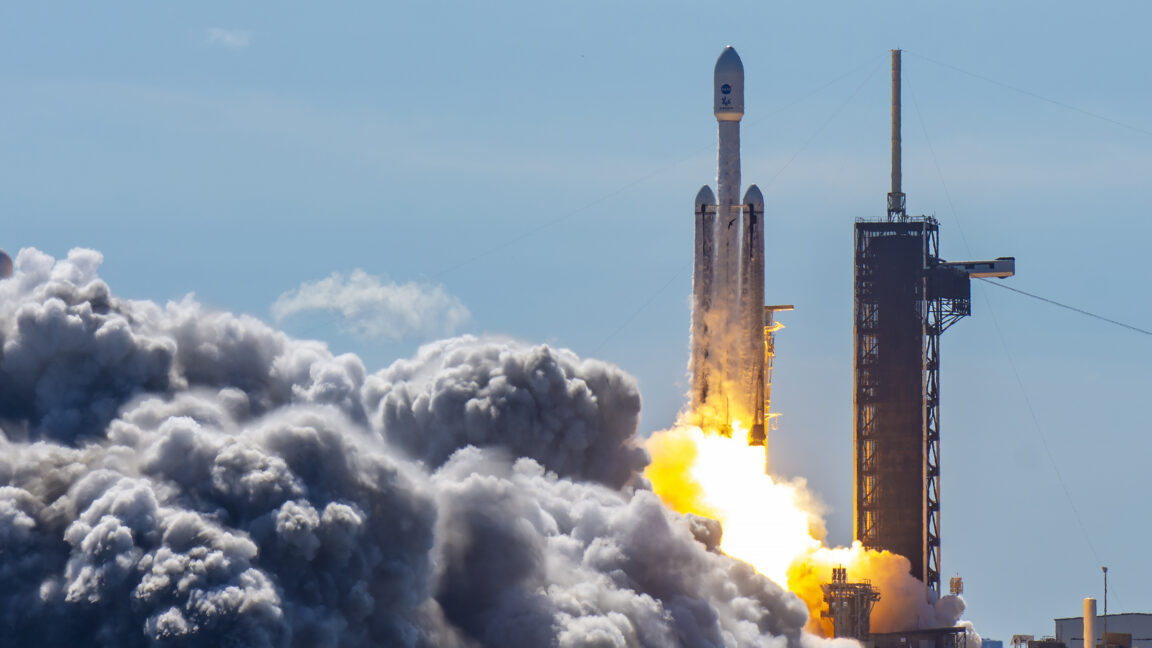
The U.S. Space Force initially projected that Lane 1 launch providers would contend for at least 30 mission orders over a span of five years. They have set a $5.6 billion cap on Lane 1’s contracts to accommodate these missions. In contrast, last year, the Space Force capped Lane 2’s contract at $13.7 billion, anticipated to cover around 54 launches through 2029.
However, circumstances evolved rapidly. In April, the Space Systems Command identified an additional 25 lane 2 missions, marking a significant change from the original deal established just a year prior. Currently, the Space Force has tripled the maximum value of the Lane 1 contract, but the specifics on further missions for Lane 1 beyond the original 30 are still undisclosed.
Recent announcements have pushed the combined total for Lane 1 and Lane 2 to over $30 billion, a figure that could continue to rise. While Space Force officials have not specified the missions to be added to each NSSL contract, various key programs are clearly driving the increased military launch demand.
Notably, the Space Force recently entered into a multibillion-dollar agreement with SpaceX to deploy multiple satellites for the Department of Defense’s Space Data Network and Airborne Target Indicator programs. These satellite constellations offer global connectivity and crucial targeting information for the U.S. military. Another major initiative is the Trump administration’s proposed missile defense shield, known as Golden Dome, which is expected to incorporate numerous space-based missile warning sensors and interceptors.
The Trump administration has requested $71.1 billion for the Space Force in the fiscal year 2027, a significant rise from the approximately $40 billion allocated in fiscal year 2026. The House Appropriations Committee has proposed a 2027 budget for the Department of Defense that includes $55.5 billion for the Space Force, slightly below the White House’s request. As of now, the Senate has yet to release its budget proposal for the Pentagon.
This rephrased content maintains the intention of the original text while optimizing for SEO with strategically placed keywords and phrases.
Source: arstechnica.com