


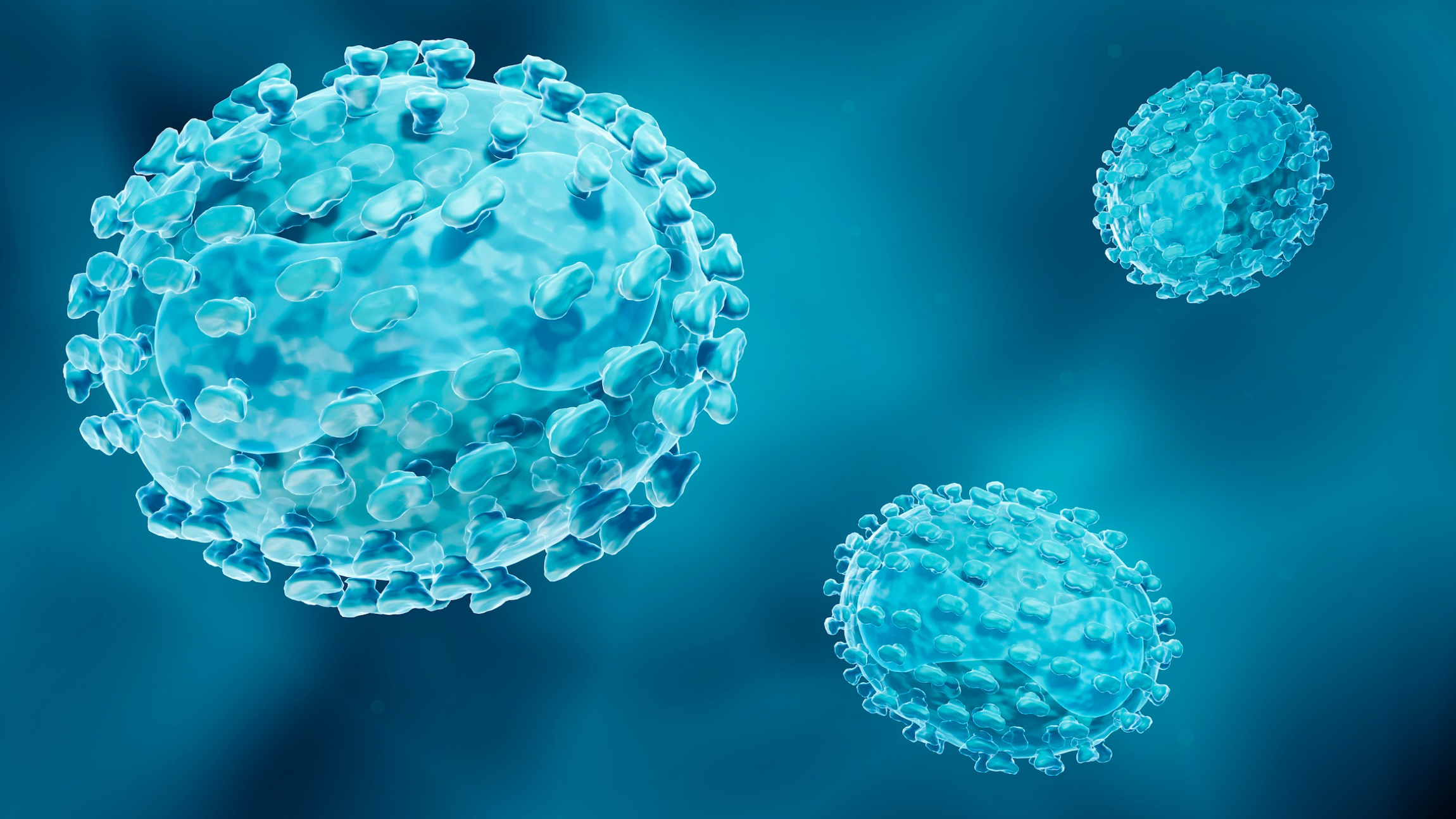
Ancient Chilean Mummies Reveal Earliest Smallpox Genomes in the Americas
DNA recovered from two Indigenous Chilean mummies has revealed the earliest known smallpox genomes discovered in the Americas. The remains date from between 1492 and 1631 and provide new genetic evidence about how smallpox spread during European colonization.
The genomes represent the first molecular evidence confirming that European colonizers introduced smallpox to the Americas, according to a study published Thursday, July 30, in the journal Science.
Smallpox is a highly contagious disease caused by the variola virus. It remained one of the world’s deadliest infections until global vaccination efforts eliminated it in 1980. Although signs of smallpox have been identified in 3,000-year-old Egyptian mummies, the first documented smallpox outbreak in the Americas occurred in 1518 during the Spanish conquest of the Caribbean. From there, the virus spread quickly across Central and South America.
Latest Videos FromLive Science
Researchers estimate that smallpox killed three to four million Indigenous people who had no previous immunity to the virus. Together with violence, slavery and other infectious diseases, smallpox contributed to the deaths of approximately 90% of the original inhabitants of the Americas by 1600.
The impact of smallpox is well documented in historical accounts, but many of those records were written by European colonizers. As a result, they may not fully describe how the disease spread among Indigenous communities. Scientists have also known little about the specific smallpox strains responsible for the colonial-era epidemics because ancient smallpox DNA from the Americas has been extremely rare.
In the new study, researchers detected ancient variola virus DNA in the bones of two mummified Indigenous Inca individuals from northern Chile. The remains belonged to an adult woman and an adult man who lived sometime between 1492 and 1631.
“None of us expected to find variola virus DNA in the samples,” study co-author Shigeki Nakagome, a geneticist at Trinity College Dublin, told Live Science. The team was studying human population history in the region rather than specifically searching for ancient pathogens. “I don’t think there was any historical record documenting smallpox in this particular community, so no one expected the smallpox evidence.”
Get the world’s most fascinating discoveries delivered straight to your inbox.
Genetic analysis showed that the two ancient smallpox genomes were almost identical. This suggests the individuals may have been infected during the same outbreak or exposed to the same strain of variola virus.
Camarones 9, an Inca-period cemetery in northern Chile where the mummies were discovered.
(Image credit: Bernardo Arriaza)
When the researchers compared the ancient viral genomes with modern and historical variola viruses, they found that the Chilean strain belonged to an extinct lineage. That lineage split from another European strain around the year 1296, but it existed before the evolution of modern smallpox strains.
The findings place the ancient Chilean virus between medieval European strains and more recent variola viruses. This genetic relationship supports the conclusion that European colonization introduced smallpox to the Americas.
“We provide the first molecular evidence of smallpox introduction to the Americas through colonization,” Nakagome said.
“This paper is really lovely because we know from the historical record that smallpox had a huge impact on Indigenous populations in the Americas,” Anne Stone, an anthropologist at Arizona State University who was not involved in the research, told Live Science. The study provides the first direct description of the pathogen during the colonial period and supports historical accounts describing a devastating smallpox epidemic across the Americas.
The viral genome also revealed important clues about smallpox evolution. Mutations had inactivated genes that once helped related viruses infect animals, including viruses such as mpox and cowpox. According to Bruno Romero González, a computational biologist at Trinity College Dublin and lead author of the study, the ancient strain was gradually becoming less capable of infecting animals.
“Because of that, variola started to focus on targeting only humans,” Romero González said. Over time, the virus adapted to become increasingly effective at infecting human hosts.
The researchers hope to recover additional ancient smallpox genomes from archaeological sites across the Americas. More samples could help scientists reconstruct the virus’s evolution, identify its movement through Indigenous communities and better understand the timing of colonial-era outbreaks.
Ancient DNA research may also help scientists understand how modern infectious diseases adapt to human hosts, Stone said. This work is especially relevant to mpox because the virus belongs to the same broader group as variola. “It’s always useful to study ancient pathogens,” Stone said, “helping us learn how these pathogens adapt to us.”
The study adds to growing evidence of smallpox among ancient Indigenous populations, including two 16th-century toddlers buried in Peru whose skeletal lesions are consistent with smallpox infection.
How much do you know about the first people to reach the Americas? Test your knowledge with our First Americans quiz.
Source: www.livescience.com