


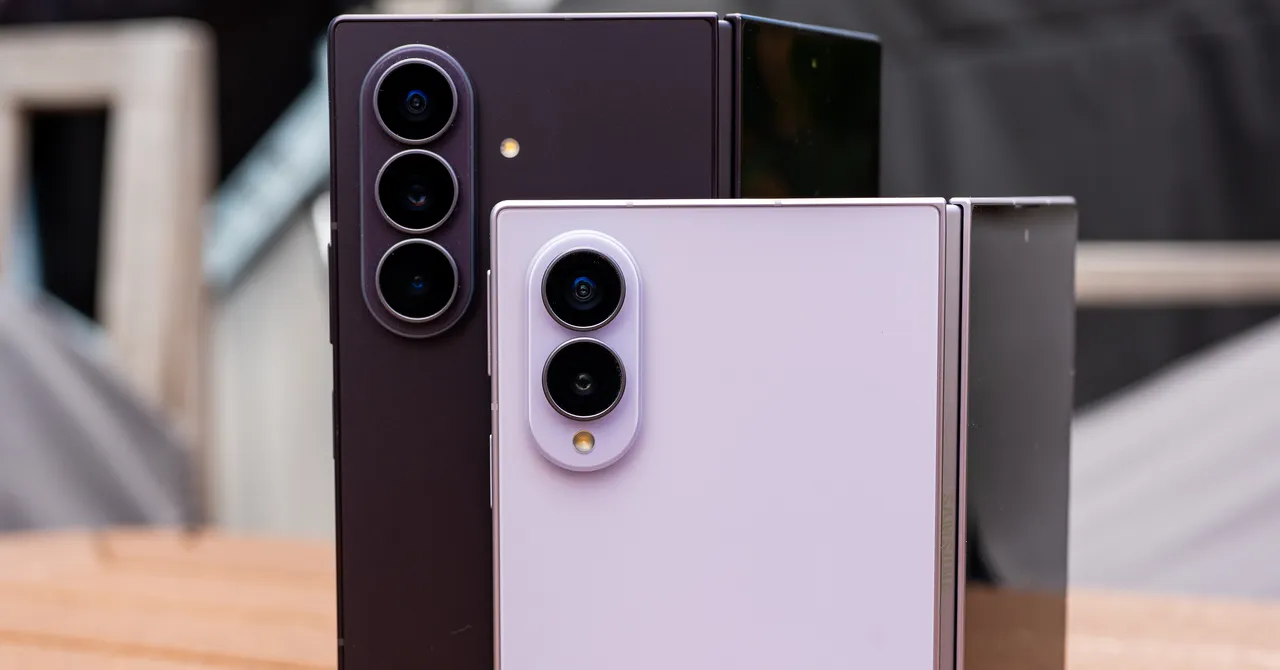
On both smartphones, the display creases are significantly less noticeable than on previous-generation foldable phones. Swiping across the screens also feels smoother, with less of the uneven texture that was common on earlier models. However, my biggest design complaint about the Samsung Galaxy Z Fold8 and Fold8 Ultra is the protruding rear camera module. When either phone is placed on a flat surface, it can wobble noticeably. Google addressed this problem with the Pixel’s horizontal camera bar, and Apple appears to have adopted a similar approach.
The Galaxy Z Fold8 is easy to use in almost every respect. I prefer its split-screen multitasking experience to the Fold8 Ultra because the wider layout feels less overwhelming and provides more room for each app. It is also convenient to run three apps side by side, giving users more flexibility when multitasking on the inner display.
Galaxy Z Fold8 Ultra Performance and Battery Life
There is a $200 price difference between these two premium foldable smartphones, although that gap may seem relatively small when spending around $2,000 on a device. Choosing the more affordable Galaxy Z Fold8 does mean making a few compromises on paper, but performance is not one of them. Both models use the Qualcomm Snapdragon 8 Elite Gen 5 processor, delivering smooth performance across apps, games, and demanding multitasking sessions.
The Galaxy Z Fold8 Ultra offers longer battery life, which is expected because it features a larger 5,000 mAh battery compared with the Fold8’s 4,800 mAh cell. The Fold8 is also Samsung’s first device to use silicon-carbon battery technology. Even so, both phones delivered satisfying endurance in testing. The Fold8 Ultra achieved more than six hours of screen-on time, while the Galaxy Z Fold8 managed between five and six hours.
That comparison is not entirely equal, since the Fold8 Ultra uses its larger inner display for less time in my testing. Users who prefer the Ultra’s wider design and spend more time on the internal screen may see shorter battery life than these results suggest, as the larger display naturally consumes more power.
The biggest compromise comes from the camera system. The Galaxy Z Fold8 features a 50-megapixel primary camera, a 50-megapixel ultrawide camera, and 10-megapixel selfie cameras on both the outer and inner displays. The Fold8 Ultra’s 200-megapixel main camera performs better across a wider range of lighting conditions, and it also benefits from a 10-megapixel 3x optical telephoto lens.
I would have preferred Samsung to include a longer-range zoom option, such as the 5x optical zoom found on the Pixel 11 Pro Fold. As someone who frequently shoots at long distances, the lack of a more powerful telephoto camera on the Galaxy Z Fold8 is frustrating, especially considering its premium price. Hopefully, Samsung will address this limitation with the Galaxy Z Fold9.
Source: www.wired.com