


Ancient Etruscan Ritual Well Reveals Bronze Statuette and Unique Plate
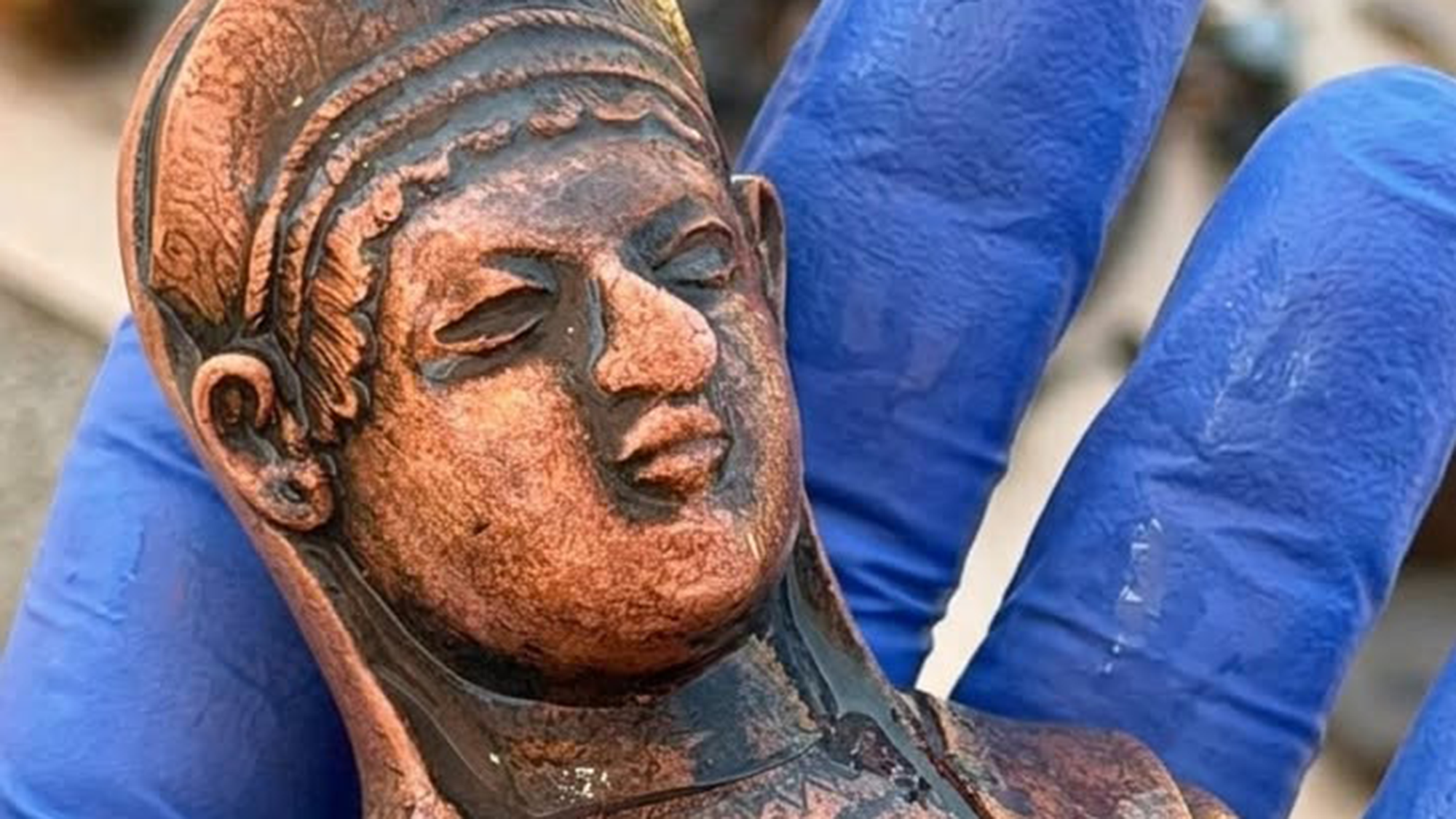
Italian archaeologists have uncovered a remarkable bronze statuette and a one-of-a-kind bronze plate at the bottom of an ancient ritual well near Bologna. The discovery offers new insight into Etruscan religious practices and may be connected to a ceremony marking the foundation, or symbolic “birth,” of the ancient city of Kainua.
The excavation also revealed the remains of a man and a woman. Researchers believe the burials may have formed part of a ritual used to close the well after it had served its religious purpose.
Elisabetta Govi, an archaeologist at the University of Bologna who led the excavation, told Live Science that the artifacts and human remains appear to be connected to a carefully planned ceremonial event.
The well was discovered on the outskirts of modern-day Bologna, at the site of Kainua, an important Etruscan settlement founded in the early fifth century B.C. The ancient city was located near a sanctuary dedicated to Uni, the Etruscan mother goddess associated with women, marriage, childbirth and fertility. Uni was later identified with the Roman goddess Juno.
The bronze artifacts date to the late sixth or early fifth century B.C. Because the well remained underwater and had a low-oxygen environment, the objects retained much of their original bronze luster for more than 2,500 years.
The bronze statuette and plate may have been deposited during an ancient Etruscan well-opening ceremony.
(Image source: University of Bologna)
Archaeological evidence from the nearby sanctuary indicates that the worship of Uni played an important role in the community. The newly discovered objects further suggest that the well was not simply used to collect water, but also functioned as a sacred space connected to fertility, religious ceremonies and civic life.
“Everything comes together to tell the story of this ritual, which centers on the female element,” Govi explained. “Agricultural fertility was fundamental for a city located in the Apennines.”
The Etruscans placed great spiritual importance on water. Wells were often constructed with accompanying rituals, and their proximity to temples or sanctuaries could give them an especially sacred role. In this case, the well’s location near the sanctuary of Uni and the deliberate placement of valuable bronze objects strongly support its ceremonial function.
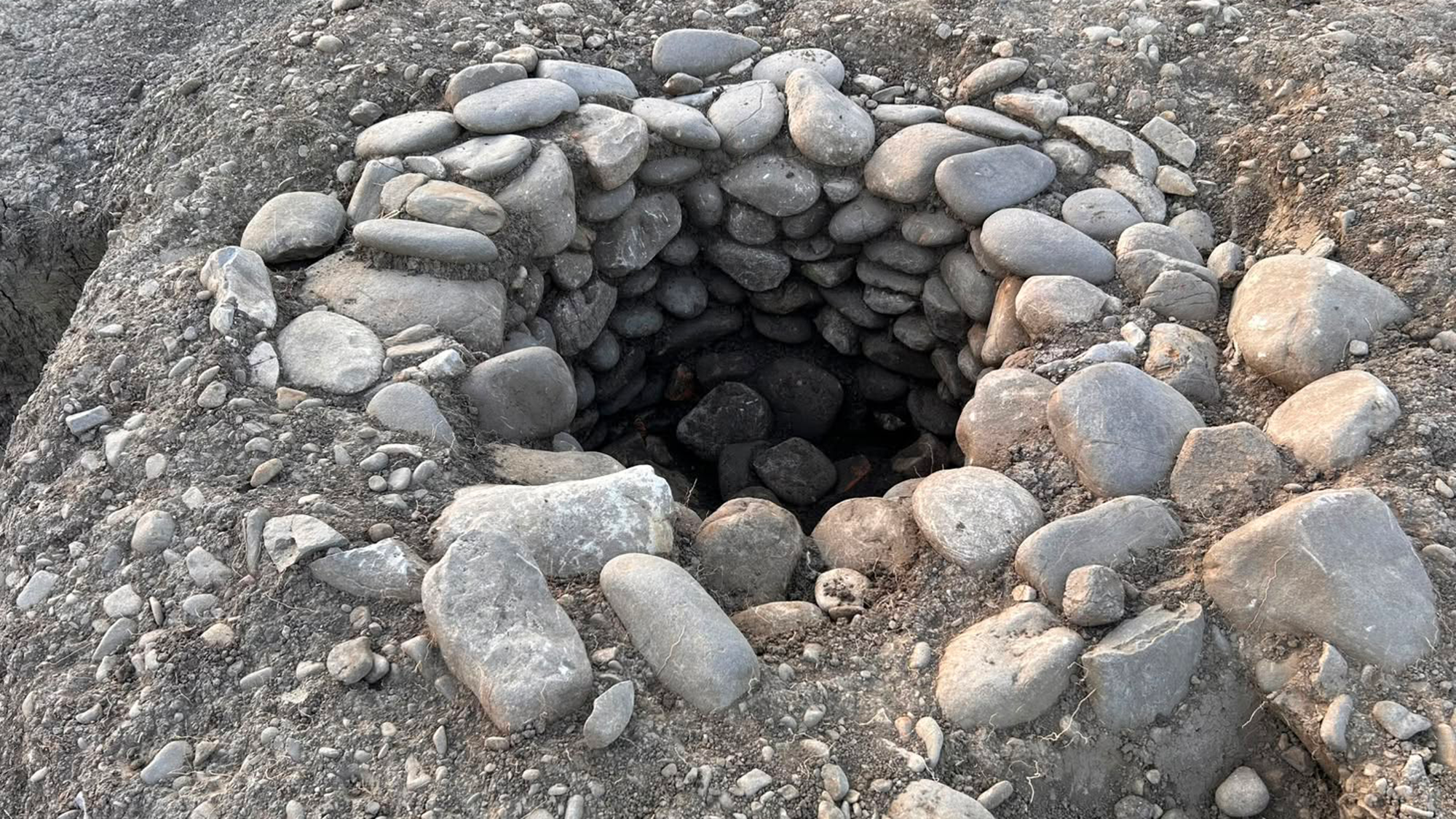
Image credit: University of Bologna
Archaeologists discovered the well at the ancient Etruscan city of Kainua.
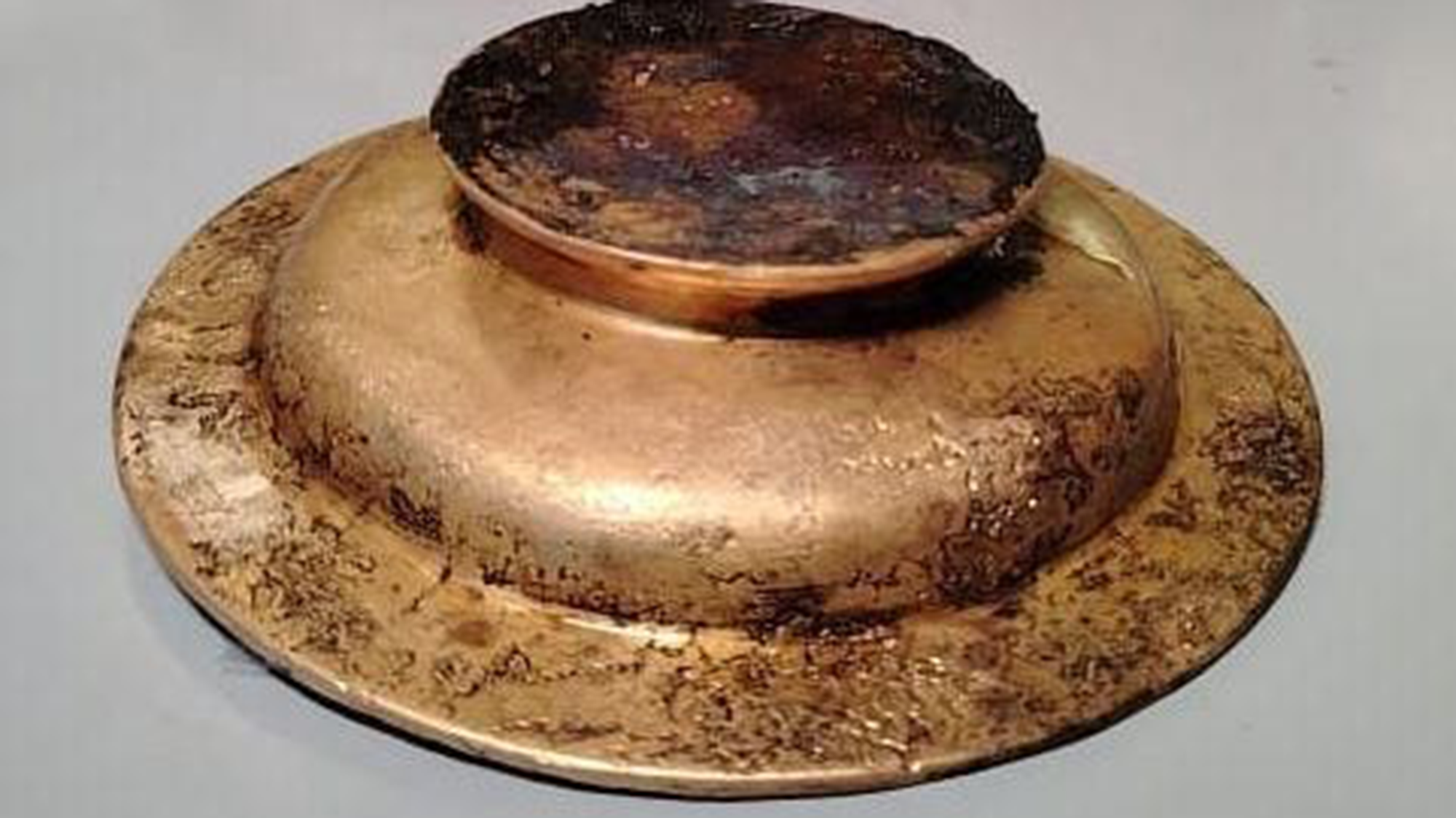
Image credit: University of Bologna
The excavation uncovered the first known Etruscan bronze plate of its type.
“Looking at what was found in the well, we believe that this was a ceremonial well,” said Govi, author of Kainua (Marzabotto), a book about the Etruscan ruins.
Although archaeologists have previously discovered female figurines associated with Etruscan water worship, this is the first known example of a female figurine found inside an Etruscan well. Similar statuettes were reportedly offered by young women at the sanctuary of Uni.
The newly discovered figures depict women or girls wearing elaborate clothing. They may represent members of the upper class, divine figures or worshippers making offerings to the goddess. One of the statuettes appears to have been intentionally broken, possibly as part of the ritual.
The bronze plate is equally significant. Its shape resembles common Etruscan pottery, but researchers say it is the first known example of an Etruscan vessel design produced in bronze.
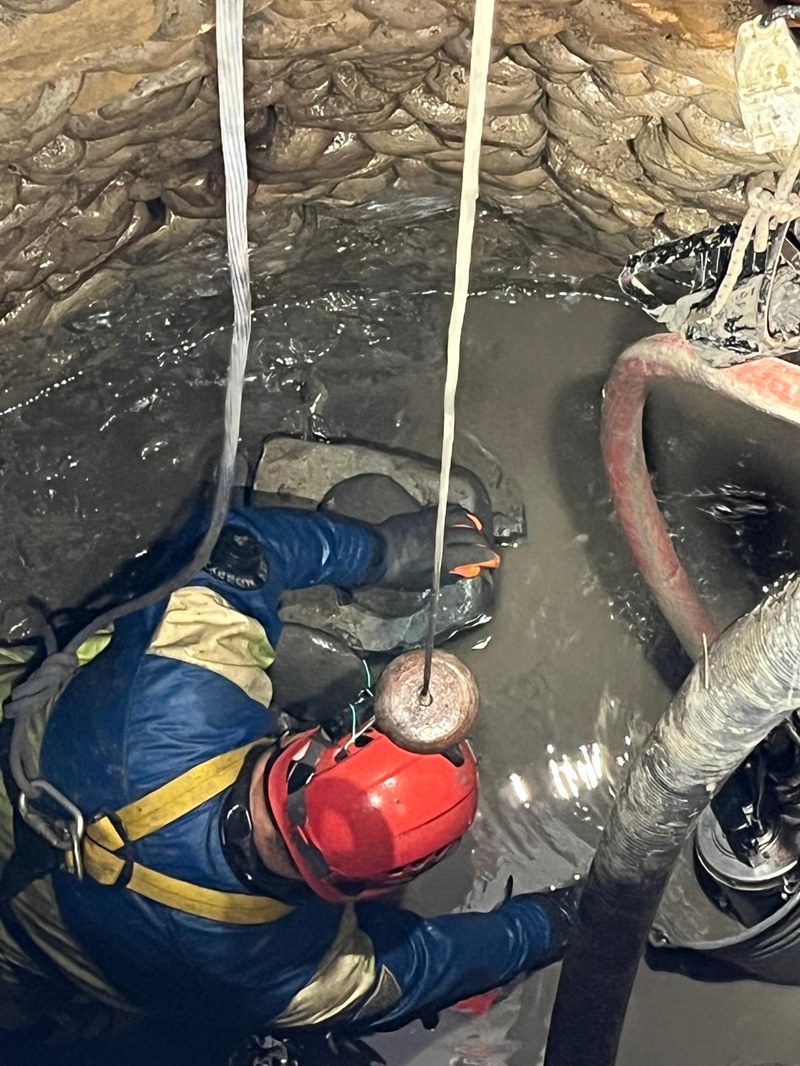
Water preserved the bronze surface of the artifacts for thousands of years.
(Image source: University of Bologna)
Bronze was a valuable material in Etruscan society and may have carried important symbolic meaning. The Etruscans viewed the process of combining copper and tin to create bronze as a transformative, renewing and almost “living” process. That symbolism may have linked the objects to birth, fertility and the domain of Uni.
The discovery is not the first instance of bronze votive objects being found in an Etruscan well. However, the combination of a female figurine, a unique bronze plate, the well’s location near a sanctuary and the presence of human remains creates an unusually clear picture of Etruscan female-centered worship.
Researchers believe the bronze statuette and plate may have been placed in the well during an opening ceremony. The skeletons, by contrast, may have been deposited later as part of a closure ritual.
Preliminary evidence does not suggest that the individuals were victims of human sacrifice. Further research, including DNA analysis and radiocarbon dating, may reveal their identities, ages and relationship to the ancient ritual.
Additional analysis is scheduled to begin in September. The results could help archaeologists determine how the well was used and clarify the role of water, bronze offerings and human burials in Etruscan religious traditions.
Want to learn more about ancient discoveries? Explore our archaeology quiz and see if you can identify these mysterious artifacts.
Source: www.livescience.com