


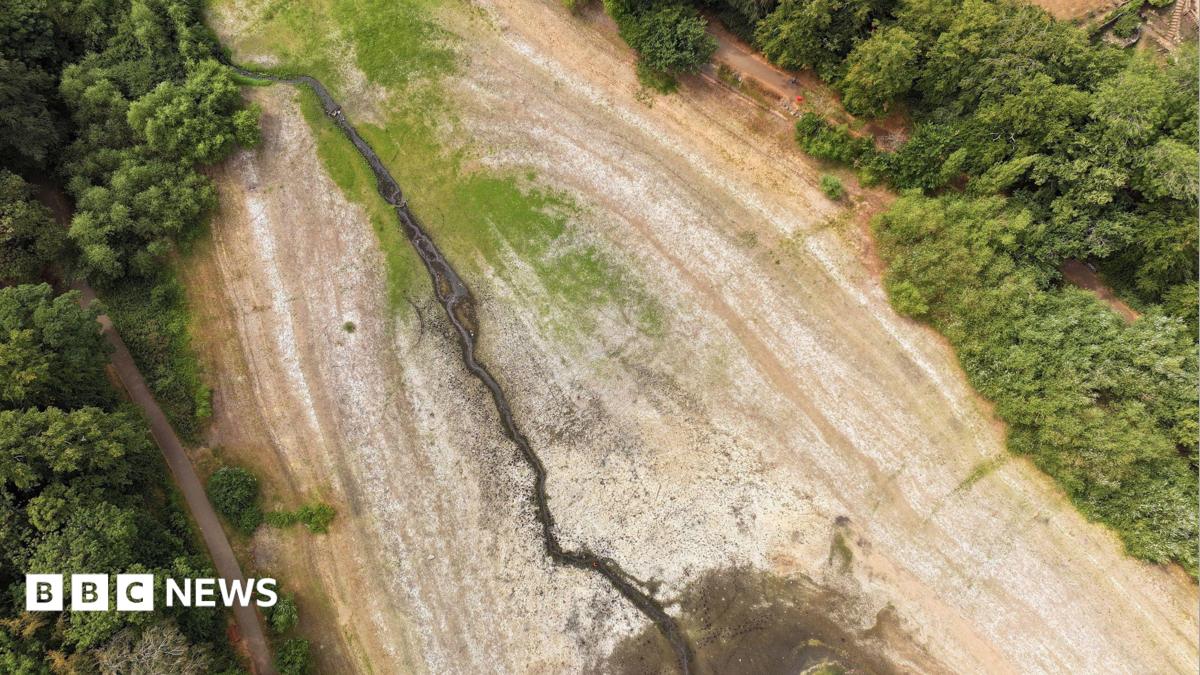
Dr Katie Facer-Childs, from the UK Centre for Ecology and Hydrology, said there is no simple answer to when the UK drought will end. The ongoing dry conditions have been caused not only by below-average rainfall but also by warmer-than-average temperatures.
“This year, we have experienced meteorological drought, soil moisture drought and river-flow drought,” Facer-Childs said.
Meteorological drought occurs when rainfall levels remain below the long-term average.
Soil moisture drought develops next and can have a significant impact on agriculture. Soil acts like a natural reservoir, but its water reserves are gradually depleted by thirsty trees and plants, as well as evaporation caused by high temperatures.
As dry weather continues, river-flow drought can reduce river levels. If the drought persists for long enough, groundwater supplies and reservoir levels may also decline, creating the most serious impacts for water resources.
“However, the UK is not yet experiencing severe groundwater or reservoir drought, which means there is still hope,” said Dr Katie Facer-Childs.
British Geological Survey, external reports that no groundwater monitoring sites across the UK are currently recording historically low water levels. Almost half of the sites are reporting water levels within the normal range.
Source: www.bbc.co.uk