


“Urgent: Please act immediately” “I need it,” I thought while scrolling through an overwhelming inbox packed with unread emails.
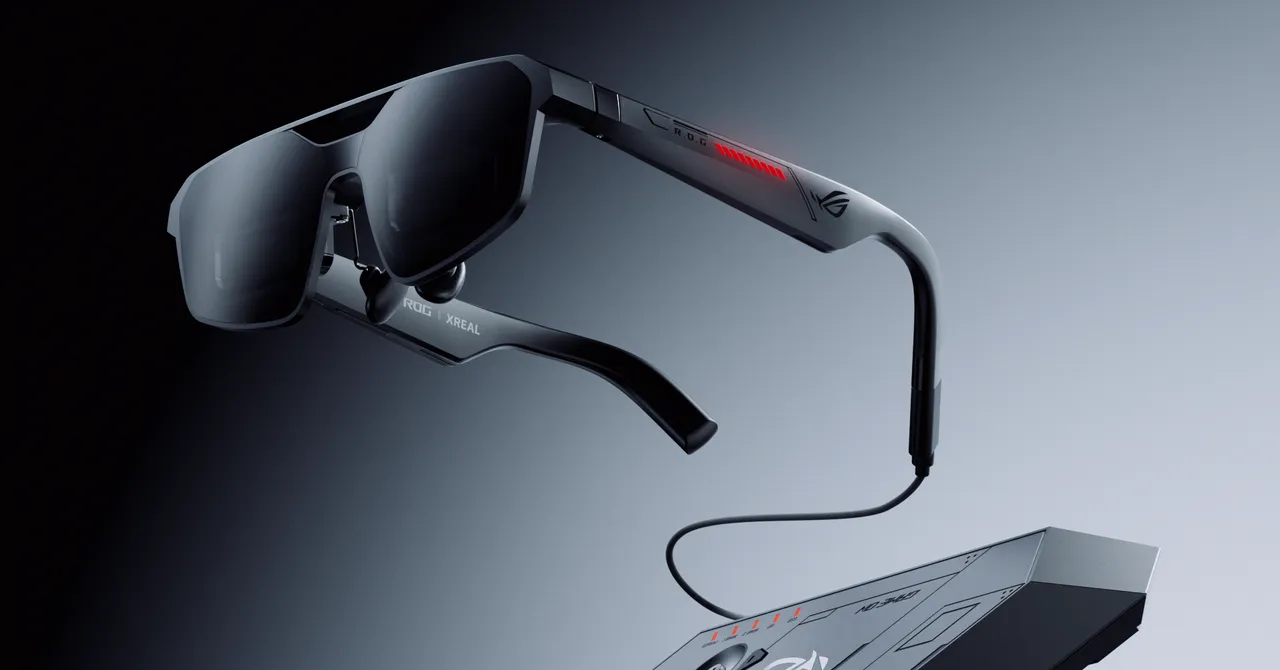
I leaned back in my chair and put on a pair of Xreal smart glasses. Connected to a laptop with a USB-C cable, the glasses mirror the computer’s screen and project it onto a massive virtual display. The screen appears roughly a foot in front of my face and feels comparable to watching a 170-inch television. Best of all, the display is private—no one else can see what I’m working on.
When I imagine the possibilities of virtual display glasses, I picture an immersive, futuristic workspace. In reality, I’m staring at five overdue workplace training modules covering business practices and cybersecurity. The text looks slightly blurry, but every assignment fits inside the expansive virtual screen. After several hours, the glasses feel warm, my forehead is sweaty, and I’m still not entirely confident I could identify a phishing email.
Virtual display glasses are a more specialized category of mixed-reality eyewear than the camera-equipped, AI-powered smart glasses—including Meta Ray-Ban glasses—that currently dominate the market. Companies such as Xreal, Viture, and Rokid design these glasses to place a private screen directly in front of your eyes. Like a portable monitor, they connect through USB-C to a laptop, smartphone, tablet, or handheld gaming console. Once connected, the glasses create a large virtual display that appears in the center of your field of vision.
With virtual screen glasses, you can watch a movie from an airplane seat, work while lying on your stomach, or even use a giant display while reclining upside down. Your screen stays with you wherever you go. (There are no major technical obstacles.) Yes, wearing them is essentially an excuse to embrace maximum laziness—like WALL-E. Long live comfort.
Virtual display glasses also avoid many of the privacy concerns associated with camera-equipped smart glasses, including Meta’s Ray-Ban models. These glasses do not record video or capture images. Instead, they place digital content inches from the wearer’s eyes, making the screen visible only to the person wearing them. That makes them useful for viewing confidential documents, private messages, or personal videos while traveling. However, Xreal glasses include built-in speakers in the frames, and sound can still leak to people nearby, so headphones may be necessary for sensitive audio.
Source: www.wired.com