


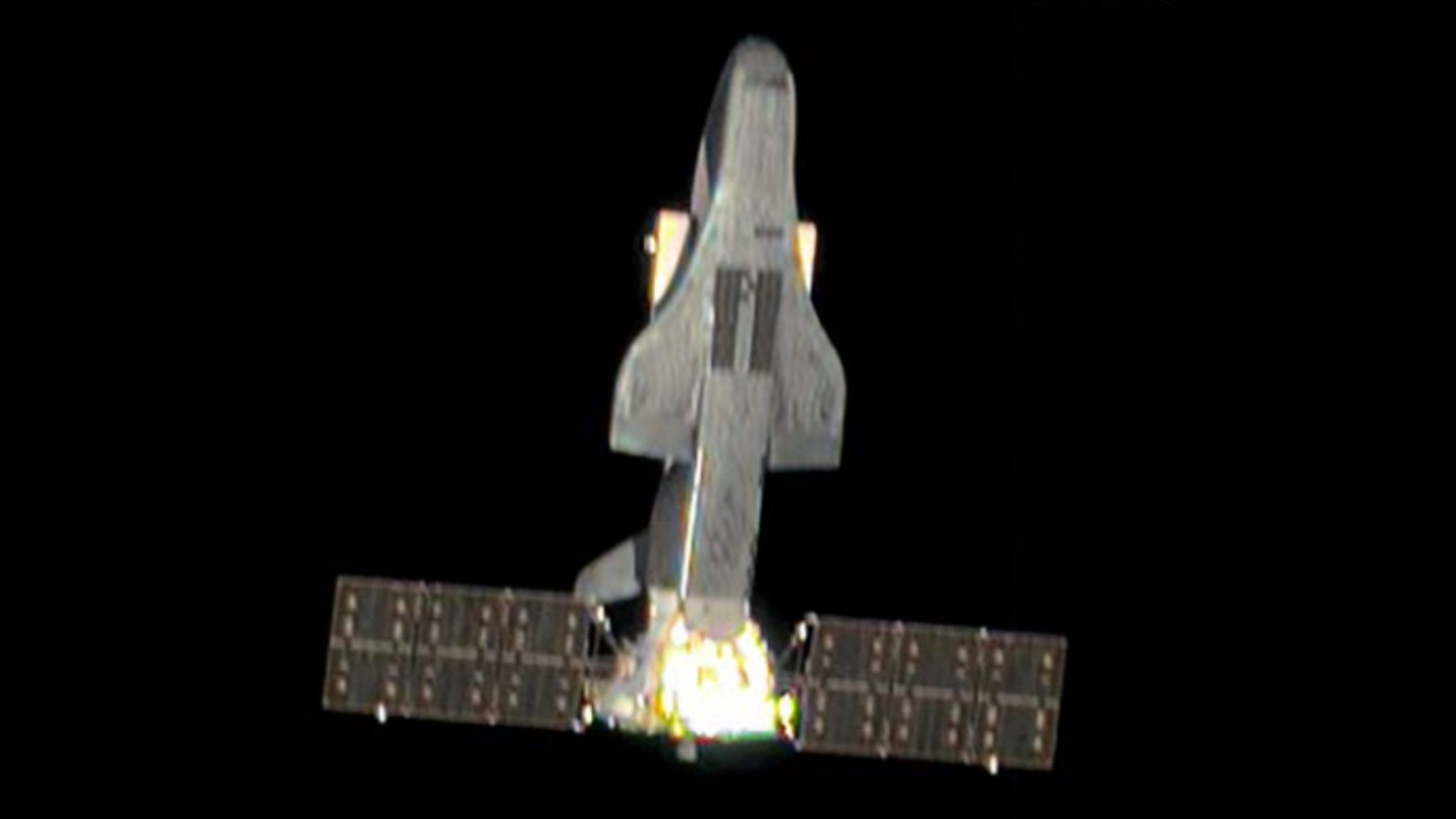
A new U.S. intelligence report includes what appears to be the clearest publicly available image of China’s secretive Shenlong spaceplane. The 2024 satellite photograph, captured by Maxar Technologies, shows a reusable winged spacecraft with a layout closely resembling the U.S. Space Force’s X-37B, although important differences remain. The image also offers new clues about Shenlong’s design and missions, while leaving its exact purpose uncertain.
The image appears in the Defense Intelligence Agency’s (DIA) latest report, Challenges to Security in Space, released Monday, October 26. The 130-page assessment examines risks to U.S. space assets and includes, on page 53, a previously unseen photograph of a “PRC” — the People’s Republic of China — spaceplane. A caption says the image was taken in 2024 by a satellite operated by private space company Maxar Technologies, now known as Vantaa.
Journalist Andrew Jones, who specializes in China’s space program, found and shared the image on X. Neither the report’s caption nor the surrounding section described the photograph as a first-of-its-kind view or explained why it had previously remained classified.
Which Chinese spaceplane is shown?
The DIA report says China has two active spaceplane designs, Shenlong and Tianyun, a name that means “cloud rider.” However, the photograph’s caption does not identify which spacecraft it depicts.
No launch of Tianyun has been confirmed to date, and existing photographs of possible prototypes suggest a design that looks significantly different from the vehicle in the new image. For that reason, most experts believe the spacecraft is probably Shenlong, although the identification has not been confirmed.
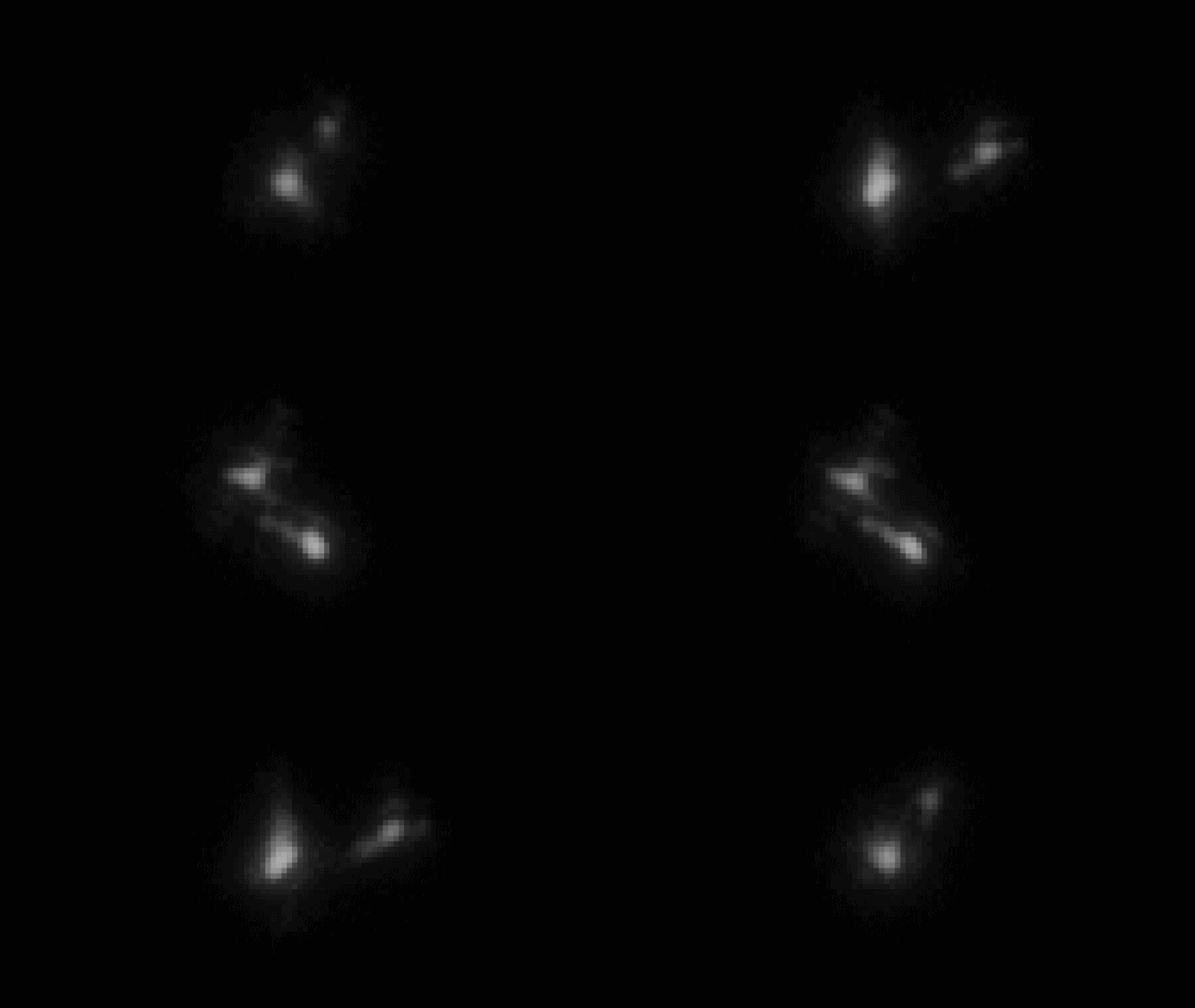
Until now, direct observations of Shenlong had been limited to blurry images of light reflected from the uncrewed vehicle as it passed overhead. Those observations offered few details about the spacecraft’s design, function or intended purpose. China has not publicly released photographs of the spaceplane or disclosed significant information about its construction.
What the image reveals
Shenlong is believed to operate in a way broadly similar to NASA’s Space Shuttle. A rocket launches the spacecraft into orbit, where it can remain for an extended period before gliding back to Earth, refueling and launching again into low Earth orbit (LEO).
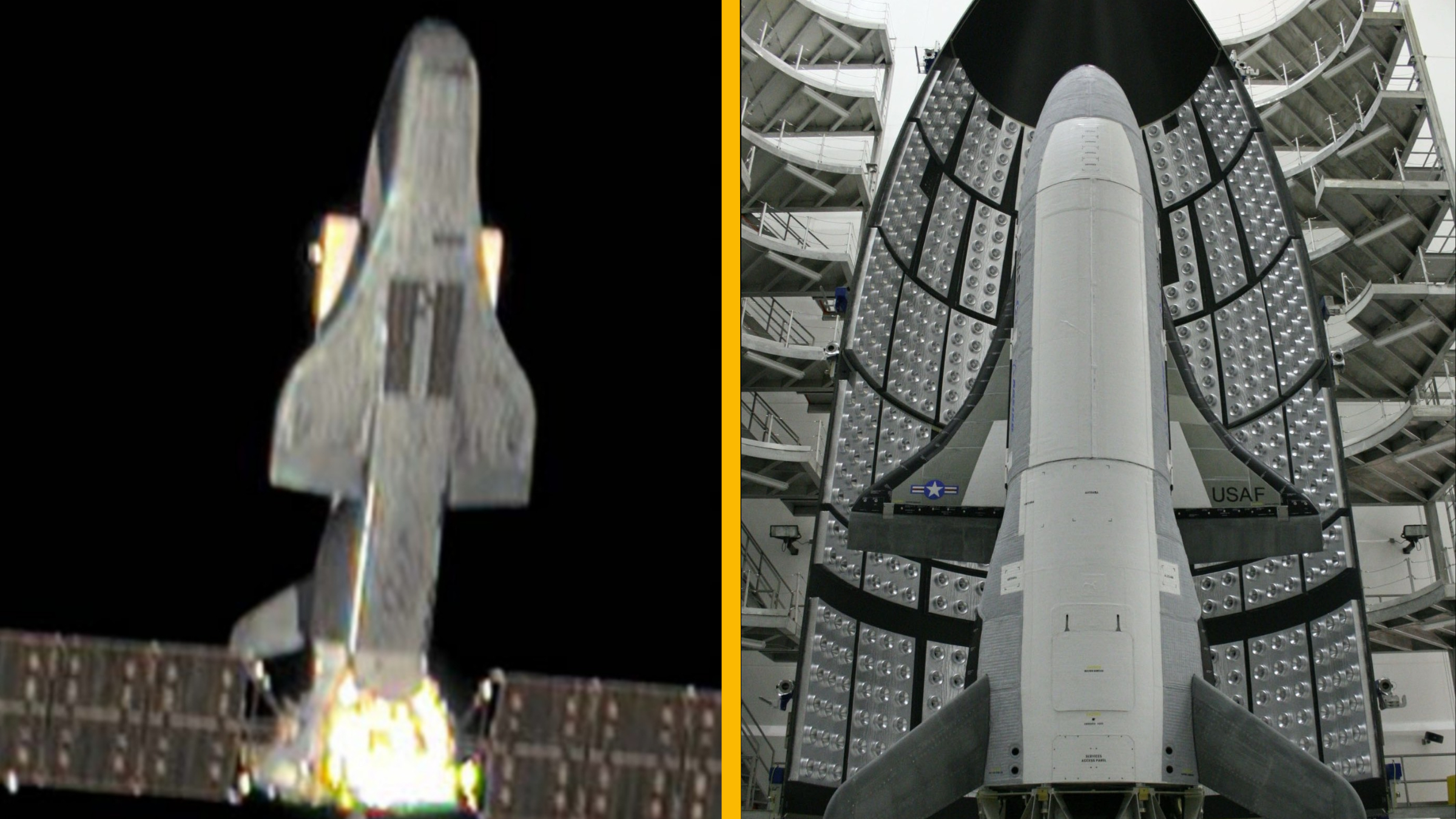
The U.S. Space Force operates its own reusable spaceplane, the X-37B, which first launched in 2010 and has completed seven orbital missions. The new photograph suggests that Shenlong shares several major design features with the American vehicle.
Ars Technica reported that the Chinese spacecraft has a delta wing, a payload-bay door, a dark heat shield and a rear-mounted service module with a solar array for generating power. “In other words, the winged craft design is to a large extent a copy of the X-37B spaceplane flown by the U.S. Space Force,” the technology news site reported.
The two spacecraft are not identical. As Army Recognition reported, “While the overall arrangement is similar to the American spacecraft, differences in the shape of the wings indicate that the two spacecraft are not visually identical.”
Shenlong’s size remains unknown. The X-37B is 29 feet (8.8 meters) long and has a wingspan of 15 feet (4.5 meters).
Global Defense News said the photograph does not establish that Shenlong is a military asset, noting that “the images do not establish its role as a weapon.” However, the DIA report says China has developed and will continue to develop weapons intended to disrupt, damage or destroy other countries’ satellites.
“China has developed and will continue to evolve weapons for use against satellites in orbit in order to disrupt, damage, and destroy the space capabilities of other countries,” DIA representatives said. “Beijing aims to become an outstanding leader in the space field,” they added.
The Shenlong mission history
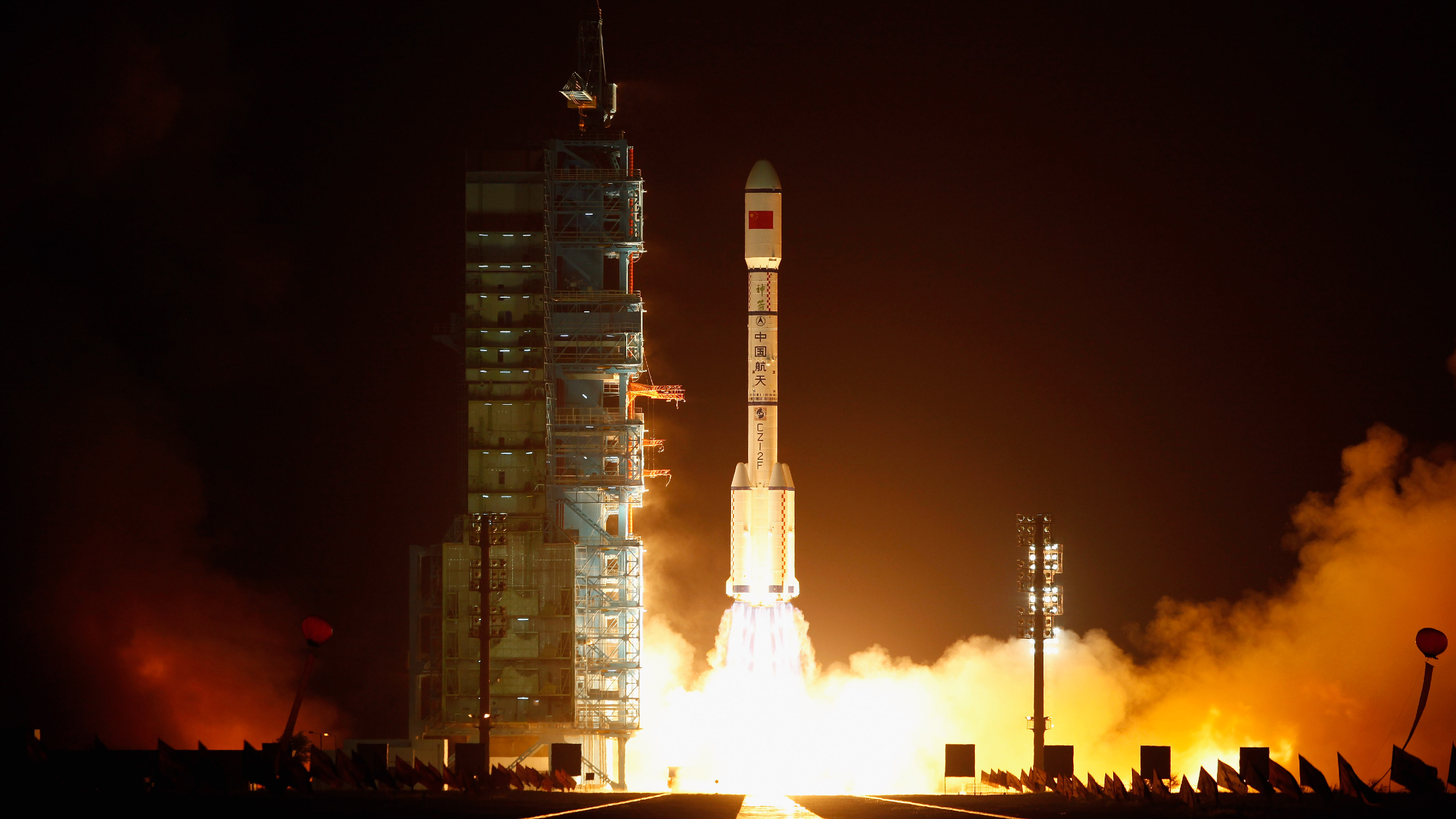
Shenlong first launched in September 2020 on a two-day mission. It has since completed two longer missions: an eight-month flight from August 2022 to May 2023 and a nine-month mission from December 2023 to September 2024. The newly released image was taken during the latter mission.
The spaceplane is currently on its fourth mission, which launched on February 7 from China’s Jiuquan Satellite Launch Center aboard a Long March 2D rocket, according to Space.com. Shenlong has spent more than 800 days in orbit in total, although it is unclear whether China has used the same spaceplane for all four missions or operates multiple vehicles.
During its missions, Shenlong has released at least nine unidentified objects into orbit. The objects are likely small satellites known as CubeSats, but their purpose remains unclear.
The most recent object was deployed in June this year. Jonathan McDowell, who specializes in tracking spacecraft in LEO, has suggested that a spacecraft may have retrieved the object using a robotic arm before it was released again in late August.
The DIA report also says that during its second mission in November 2022, Shenlong “appeared to be maneuvering with a companion satellite.” The spacecraft came within 330 feet (100 meters) of the smaller satellite and possibly moved even closer, according to the report.
Those activities have contributed to a theory that Shenlong’s main purpose may be to “conduct rendezvous and close-in operations” with other spacecraft. Its payload could also provide a target for practicing close-approach and flyby operations in orbit. However, the spacecraft’s precise role remains unknown.
Source: www.livescience.com