


Ironically, Formula 1 could be heading toward a similar situation once again. Mercedes, which appeared unprepared for the ground-effects regulations introduced between 2022 and 2025, made a major effort to master the 2026 rules. Much like in 2014, the team aimed to combine the most powerful hybrid power unit with a chassis capable of maximizing its performance.
That strategy initially paid off, with Mercedes winning the first six races of the 2026 F1 season. However, the team has since suffered a decline in reliability, with most of its problems affecting George Russell rather than Kimi Antonelli. Like Jenson Button in 2009, Antonelli currently holds a commanding lead in the Formula 1 drivers’ championship.
Unlike in 2014, however, Mercedes cannot simply spend its way out of trouble. Formula 1 teams currently operate under a strict $215 million cost cap, with additional funding potentially available for approved engine upgrades, as announced in Monaco.
Mercedes team principal Toto Wolff addressed the team’s limitations this weekend, telling reporters: “We have no control over the development of the car. We don’t have the money to spend. We’ve said before that we’re trying to spread it out evenly over the season based on the calculation of when we can deliver the biggest updates and where we can optimize championship points. But we simply can’t do what we can’t do.”
This year will be the final time Zandvoort and its famous banked corners appear on the F1 calendar.
Credit: Peter Fox/Getty Images
Mercedes was ultimately the fastest team at Zandvoort, but McLaren was nearly as competitive. The reigning pace-setters have repeatedly demonstrated that they can deliver Formula 1 upgrades that perform as expected, both during the ground-effects era and under the 2026 regulations.
Lando Norris used that performance advantage to chase down Kimi Antonelli’s Mercedes and secure victory for McLaren. His orange-and-black car crossed the finish line nearly 12 seconds ahead, underlining McLaren’s strong development progress.
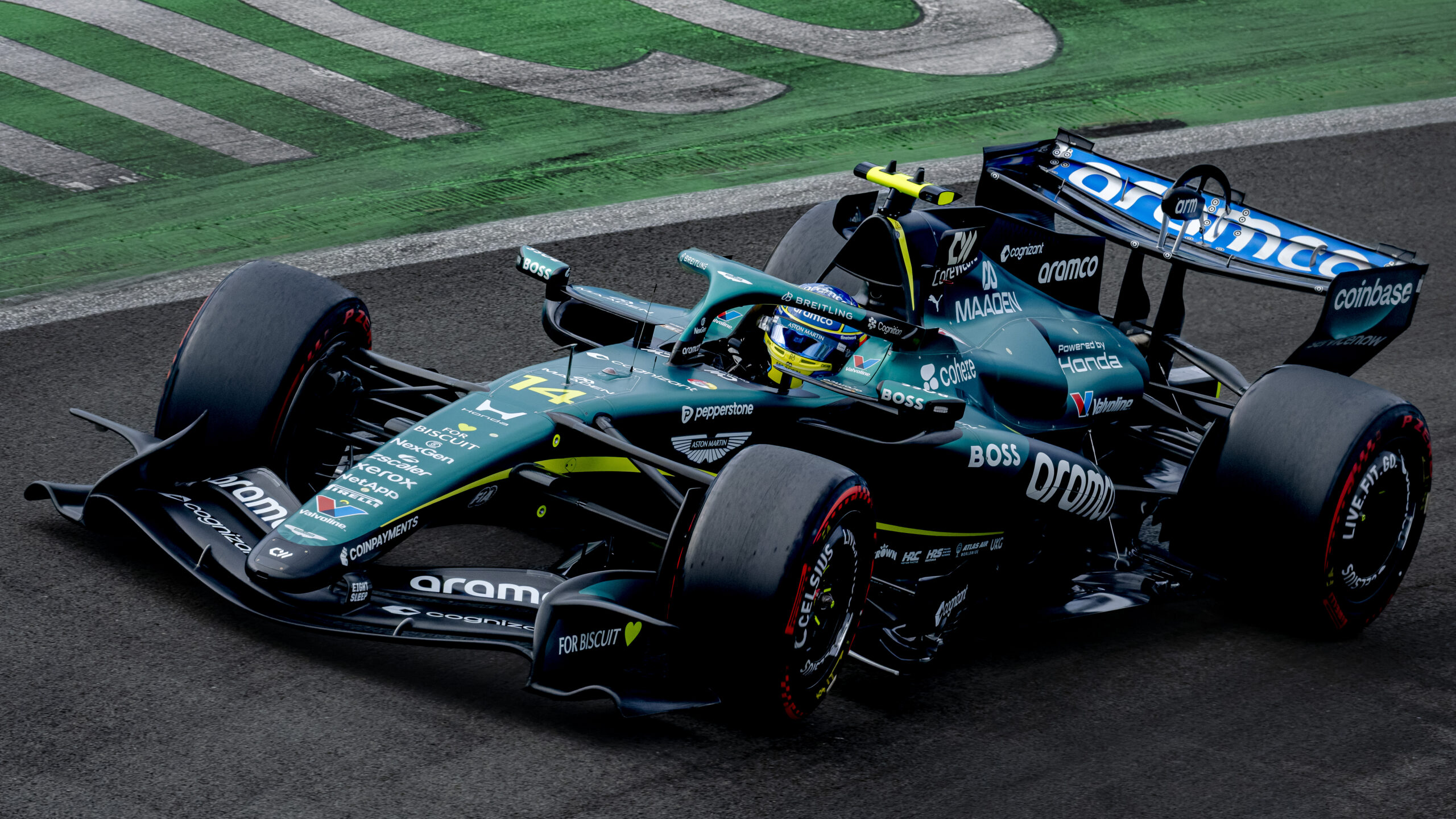
Alpine, Ferrari, and McLaren all introduced significant upgrades at Zandvoort. Aston Martin also made progress before the summer break, moving closer to the midfield after its improvements in Hungary. Honda’s latest engine upgrade debuted this weekend and helped reduce the performance gap further.
Fernando Alonso told journalists: “Previously, we were averaging 4.5 seconds behind the leader, but over the past two races we have reduced that gap by three seconds.” The veteran Aston Martin driver finished in the points for the second time this season, taking ninth place on Sunday.
However, Aston Martin teammate Lance Stroll believes Honda still has work to do. Stroll criticized the power unit’s drivability and said the gearbox occasionally failed to respond when he requested downshifts.
Source: arstechnica.com