


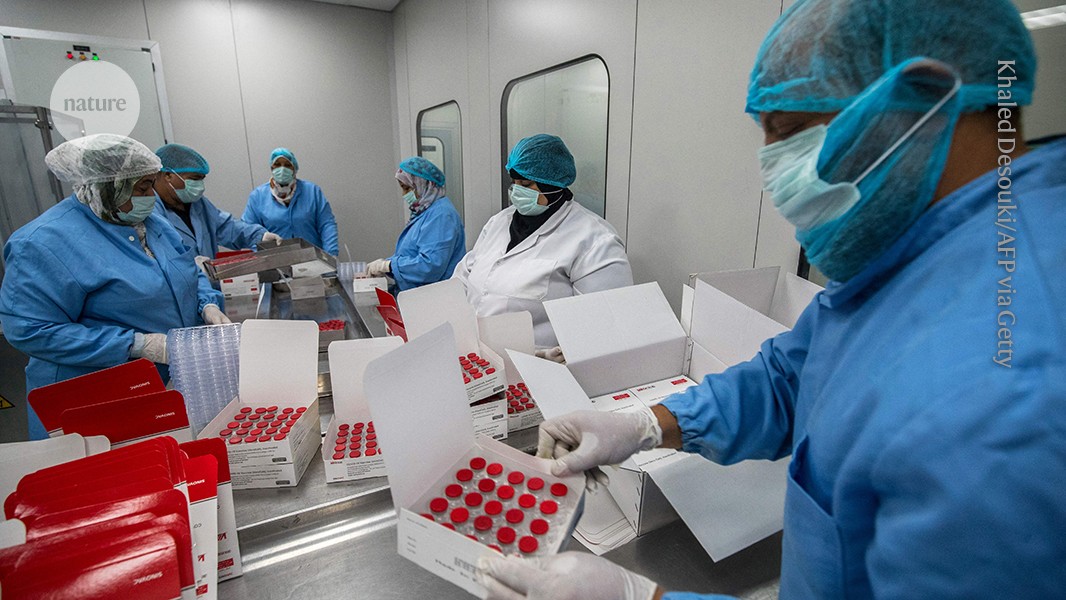
China is transforming global healthcare through rapid advances in biotechnology, pharmaceutical manufacturing, medical devices and digital health. Chinese biotech companies are developing and producing medicines faster and at lower cost, attracting the attention of the world’s largest pharmaceutical groups. Chinese-made drugs, medical devices and healthcare technologies are already being used worldwide. Meanwhile, China’s health system is testing digital healthcare models that connect appointments, diagnostic results, follow-up care and other services on a scale few countries have attempted.
How can China become a biotech powerhouse?
Much of the discussion about China’s healthcare and biotechnology growth focuses on what it means for the United States and Europe. But an equally important development is China’s expanding medical collaboration with low- and middle-income countries (LMICs).
Governments across Africa, Asia and Latin America face growing populations, rising disease burdens and significant pressure on fragmented health systems. These countries urgently need affordable medicines, diagnostic tools, local manufacturing capacity and scalable healthcare models. China is increasingly able to provide all of these solutions quickly and at scale.
During the COVID-19 pandemic, Chinese companies supplied vaccines to countries including Indonesia and Mexico. Since then, Chinese businesses have helped finance medical-equipment manufacturing in Kenya and Côte d’Ivoire, pharmaceutical and vaccine production in Zambia, and digital health programmes in countries around the world.
These partnerships differ from the traditional model of multilateral aid, particularly as international aid budgets decline. Although other countries, including the United States, are moving towards more bilateral health partnerships, China began pursuing these agreements earlier and has done so on a much larger scale. Many of China’s healthcare products were developed while the country faced challenges similar to those experienced by small and medium-sized economies, including shortages of medical professionals, regional inequality and limited budgets. This makes Chinese technologies and care models appealing to countries that cannot replicate the expensive, hospital-centred systems common in wealthy nations.

Why the world needs to wake up to China’s scientific leadership
As a consultant advising on the political, technological and clinical relationships between China and other countries, I know these healthcare partnerships can deliver significant benefits when they are designed and managed effectively. However, poorly structured or one-sided agreements can create serious risks. No deal is inherently good or bad. To achieve lasting results, governments and multilateral organizations must establish clear standards for safe, responsible and effective international health partnerships. The same principles should apply to bilateral healthcare agreements offered by major powers.
Three areas are particularly important.
First, countries should introduce healthcare interventions only when they can be delivered safely, maintained effectively and expanded sustainably. New hospitals require trained staff, long-term maintenance funding and reliable referral networks. Digital health systems depend on electricity, internet connectivity, data protection and a skilled workforce. Contracts should require evidence that an intervention is effective under local conditions before it is implemented at scale, rather than assuming that a model proven in the exporting country will automatically work elsewhere.
Source: www.nature.com