


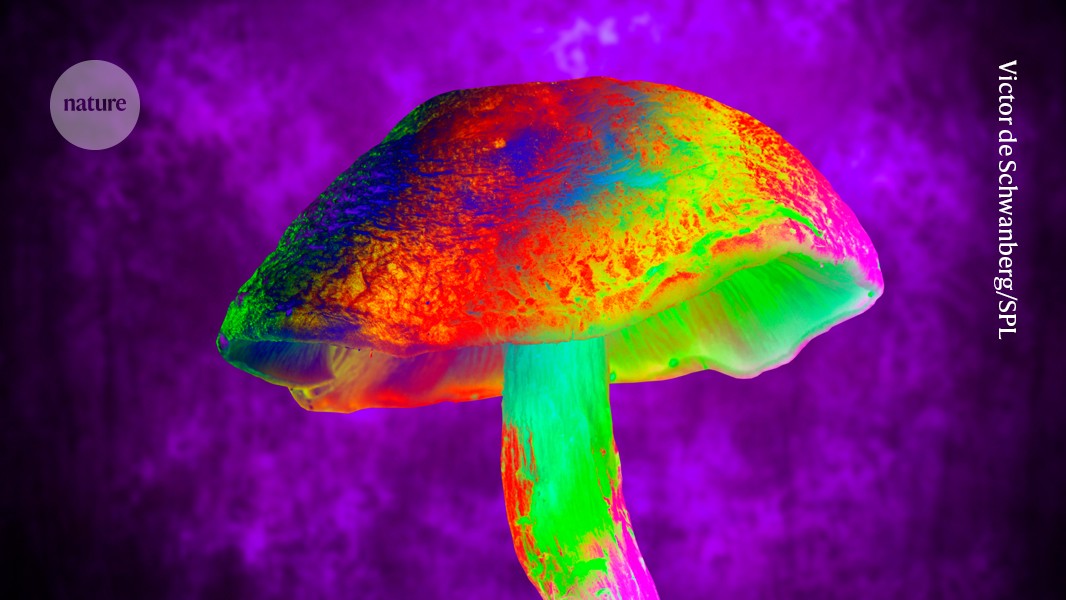
Studies in mice suggest that psilocybin, a psychoactive compound in magic mushrooms, may protect against chemotherapy-induced neuropathy.Credit: Victor de Schwanberg/Science Photo Library
For many cancer survivors, remission comes with a painful side effect: chemotherapy-induced peripheral neuropathy. The condition can cause burning, tingling, numbness and extreme sensitivity in the hands and feet. Now, research in mice suggests that psilocybin, the psychoactive compound found in magic mushrooms, could help prevent this nerve damage before it begins.
Two doses of psilocybin given before chemotherapy completely prevented neuropathy in the mice. The condition affects up to 60% of people treated with platinum-based cancer drugs, which are widely used against cancers including ovarian and lung tumors. The findings, announced today in Science, suggest that psilocybin may protect sensory nerve fibers from the lasting damage caused by chemotherapy1. Chemotherapy-induced neuropathy currently has few effective prevention or treatment options.
“This study pushes the needle beyond standard indications for psychedelics such as depression, addiction, anxiety and PTSD [post-traumatic stress disorder],” says study co-author Moran Amit, a surgical oncologist at MD Anderson Cancer Center in Houston, Texas. “For the first time, we’re looking at pain. And we’re actually showing very important effects in preventing pain, rather than treating it.”
How chemotherapy damages sensory neurons
Platinum-based chemotherapy and other cancer drugs can damage sensory neurons, which collect information from the skin and transmit it to the nervous system. These neurons rely on energy-producing structures called mitochondria. The mitochondria must travel long distances along the nerve fibers to reach their endings in the skin, but some chemotherapy drugs disrupt this transport system.
When the nerve endings run out of energy, they begin to degenerate. This can reduce the ability to feel touch while also causing chronic pain, numbness and heightened sensitivity — the hallmark symptoms of chemotherapy-induced peripheral neuropathy.
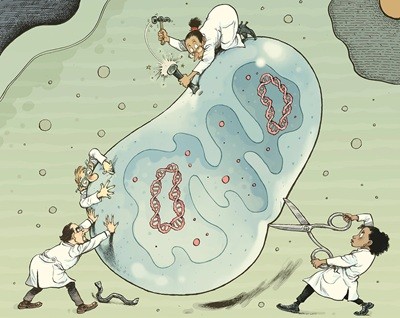
Defective mitochondria cause deadly diseases: mitochondrial repair is becoming much easier
To determine whether psilocybin could prevent chemotherapy-related nerve damage, the researchers gave mice two doses of the compound before administering six rounds of chemotherapy over eight months.
In untreated mice, chemotherapy caused pain hypersensitivity, reduced sensation in the feet and shrinkage of sensory nerve fibers in the skin. By contrast, mice pretreated with psilocybin retained normal foot sensation and healthy nerve endings. Importantly, psilocybin did not reduce the chemotherapy’s ability to shrink tumors.
Using psilocybin to prevent chemotherapy-induced neuropathy, rather than attempting to reverse established nerve damage, is a “smart therapeutic approach,” says Joe Cichon, a neuroanaesthesiologist at the University of Pennsylvania in Philadelphia.
A non-psychedelic route to nerve protection
The researchers found that psilocybin prevented nerve deterioration by activating specific receptors on sensory nerve fibers throughout the animals’ skin. This activation sets off a chain of cellular signals that ultimately recruits motor proteins to keep mitochondria moving along the nerve fibers.
“This is very surprising. We didn’t expect psilocybin to regulate mitochondrial movement,” says Cichon.
The protective effect does not appear to require a psychedelic experience. When the researchers tested tabernanthalog, a non-hallucinogenic compound that activates the same receptors, the mice received similar protection against sensory nerve loss and pain hypersensitivity.
Source: www.nature.com