


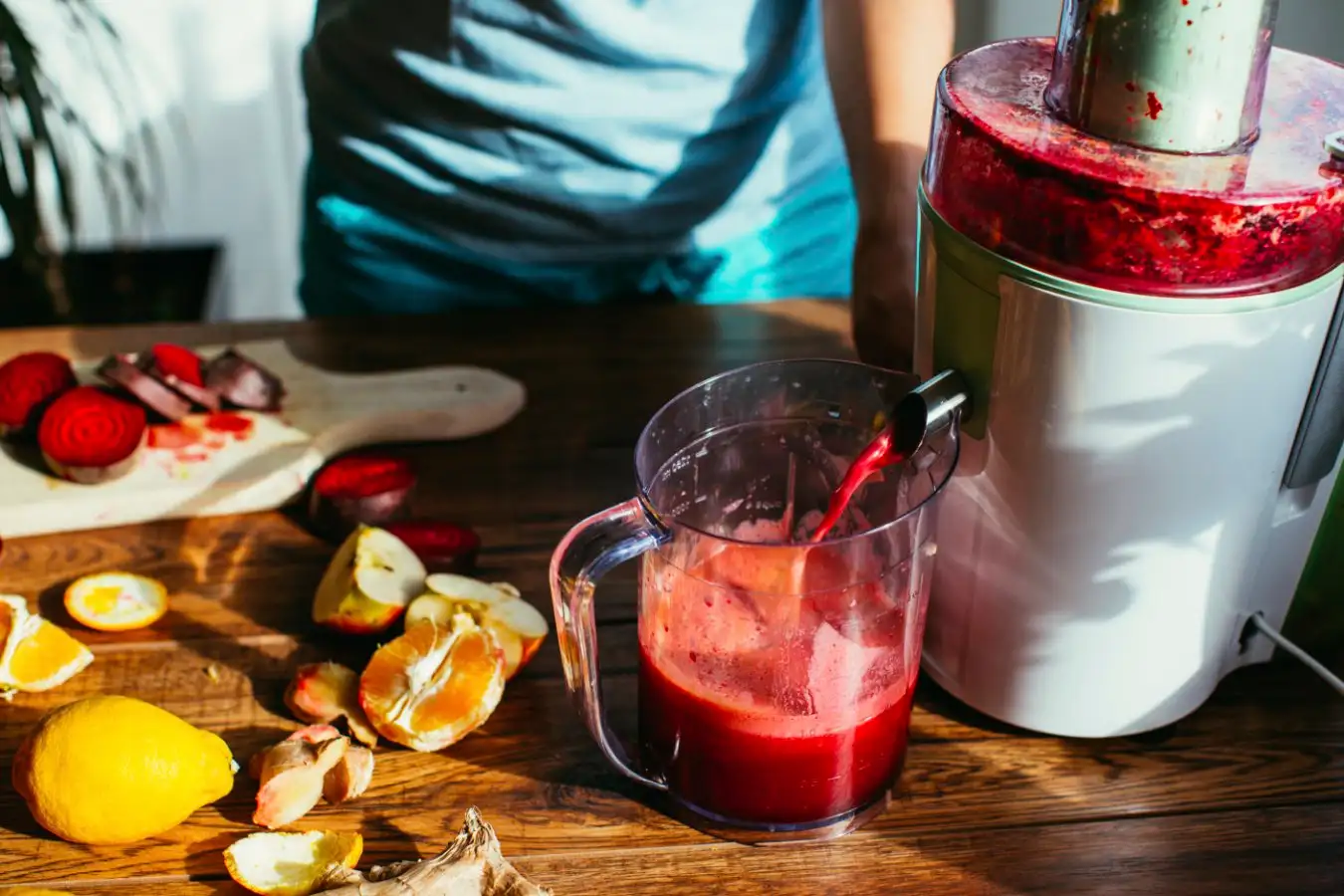
Beet Juice Proven to Enhance Stamina in Exercise
Westend61/Getty Images
Recently, my athletic friend Lizzie, a doctor, shared her pre-marathon beetroot juice. Though I’m not a runner, the deep purple drink piqued my curiosity. Lizzie assured me of the numerous health benefits it holds for both athletes and non-athletes. Intrigued, I decided to delve deeper into the research surrounding beetroot.
Much of the evidence comes from Andy Jones, an exercise physiologist at the University of Exeter, UK. His research highlights beetroot’s rich nitrate content, which transforms into nitric oxide in the body. This vital molecule aids in blood vessel dilation, lowering blood pressure and delivering more oxygen-rich blood to muscles.
In a groundbreaking 2009 study, Jones’s team observed eight recreational athletes cycling at maximum exertion. Those consuming beetroot juice for six days prior outperformed their counterparts on blackcurrant juice by approximately one and a half minutes.
Subsequent research confirmed that beet juice enhances performance across various sports, including swimming, running, and rowing. Notably, beetroot shots are believed to have aided Eliud Kipchoge’s marathon record, inspired Jonas Vinzigaard’s Tour de France victory, and contributed to Leicester City’s Premier League win. The International Olympic Committee recognizes nitrates, including those from beetroot, as one of just five dietary supplements with solid evidence supporting performance enhancement (the others being caffeine, creatine, sodium bicarbonate, and beta-alanine).
But what if you’re not an athlete? While I don’t expect beet juice to transform me into a marathon runner, research suggests it could ease workouts and enhance my motivation. A study from the University of Alabama at Birmingham found that adults grappling with obesity took longer to feel exhausted after consuming beetroot juice during cycling tests, indicating potential benefits for exercise participation and adherence.
Many anecdotal reports on social media suggest beet juice can boost energy, even rivaling coffee’s effectiveness against fatigue. However, further studies are necessary to confirm these claims, as they could stem from a placebo effect.

Eliud Kipchoge Clinching the 2017 Berlin Marathon
Photocosmos1/Shutterstock
Research consistently indicates that daily beet juice consumption can help lower systolic blood pressure in hypertensive patients by approximately 2.5% or about 5 mmHg. While this isn’t as potent as antihypertensive medications, which can typically reduce pressure by around 10 mmHg it serves as a beneficial supplementary option. A recent study from King’s College London revealed that chewing sweet gum post-beetroot juice consumption could enhance blood pressure reduction by activating oral bacterial enzymes that convert nitrates into nitric oxide.
Conversely, individuals with low blood pressure should exercise caution when consuming beet juice, as it can cause dizziness or lightheadedness due to further drops in pressure. Additionally, be mindful of its natural sugar content, making it less suitable for diabetics if taken in large quantities.
Dr. Michael Mosley, a prominent television personality, referred to beets as “Vegetable Viagra,” emphasizing their potential to enhance erections via blood flow improvements. “The mechanism parallels that of Viagra,” he noted in a recent podcast in 2023. Studies show that beetroot extract supplements may improve the quality of nighttime erections in men, although the research was sponsored by a supplement company, which could influence findings.
Interestingly, ancient Romans recognized beetroots as aphrodisiacs, frequently depicting them in intimate scenes in brothel artwork including frescoes found in Pompeii. A recent discovery features a 2,000-year-old fresco showcasing a meal beside a goblet, interpreted as red wine, yet possibly containing beetroot juice.
If you start drinking beet juice regularly, be aware that its vivid red pigment can color urine and stools, which could cause unnecessary panic if you suspect bleeding.
For those averse to beetroot, nitrates are also present in other foods like spinach, arugula, lettuce, celery, tomatoes, bananas, and oranges. Personally, while I might not enjoy daily beet juice, I’ll incorporate more salads with roasted beets and burgers topped with sliced beets to hopefully enhance my energy levels. Lizzie always offers me valuable health advice, and in this instance, it seems she’s onto something with beet consumption.
Topics:
Source: www.newscientist.com