


North Sea Oil and Gas Projects Face Opposition as OEUK Seeks Government Support
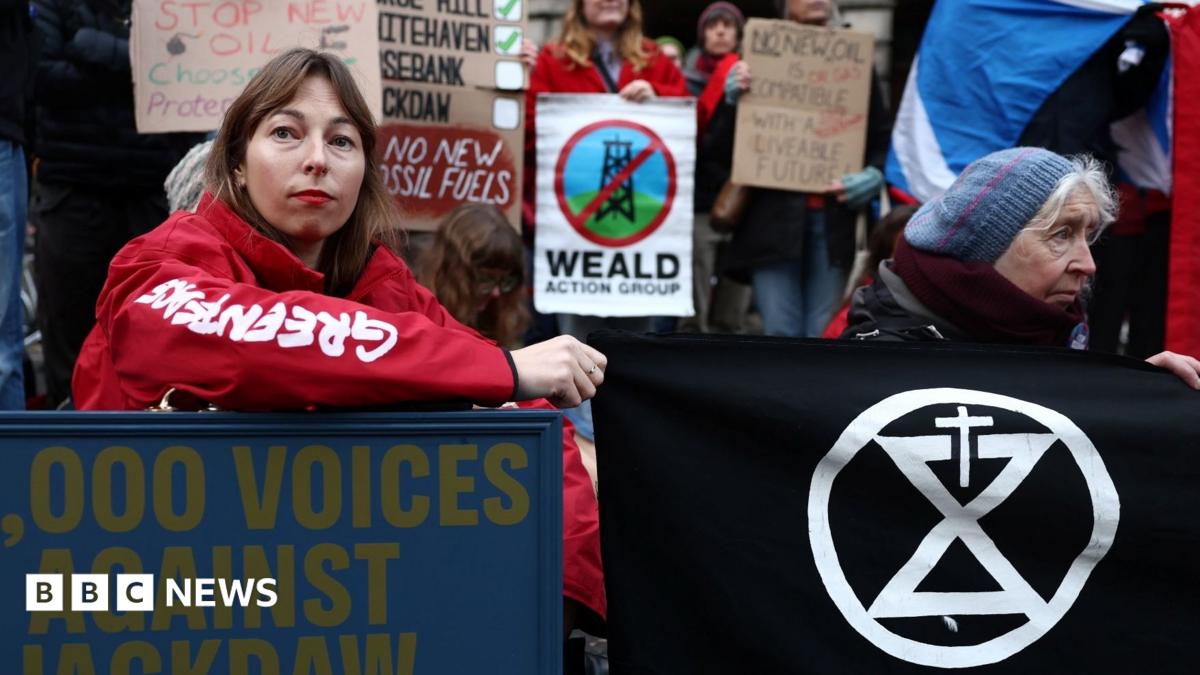
Environmental groups have rejected the oil and gas industry’s request for government assistance, arguing that the North Sea is a “super-mature” basin with few remaining reserves.
Environmental Groups Challenge New North Sea Drilling
Uplift, one of the environmental groups involved in the legal challenge, described OEUK’s request for assistance as a “fantasy”. The group said the North Sea has few remaining reserves and warned that new drilling would not address the UK’s energy challenges.
Director Tessa Khan said: “The UK burns most of its gas and what is left is mostly oil, much of which is exported and sold on international markets. New drilling will do nothing to reduce rates and will do little to help energy security.”
“The science is clear that there is already far more oil and gas in the world than can be safely burned to reduce global warming.”
Andy Burnham also said that, instead of listening to the “selfish demands” of oil companies, attention should be given to the voices of people whose homes were destroyed in the summer’s bushfires.
Rosebank, Cambo Fields and Clare South Among Potential Projects
OEUK has identified 111 projects that could potentially be unlocked. Among them are the second stage of the Rosebank development, Cambo Fields and Clare South, all located west of the Shetland Islands.
The UK Labor Government has banned the issuance of new exploration licenses in British waters. However, OEUK says that most of the 111 projects are located within existing licensed areas.
UK Government Promises Long-Term Industry Support
A UK government spokesperson said: “We are giving the industry and its investors long-term certainty that we will plan, invest and support jobs to replace the EPL by 2030, or sooner if a price floor is triggered.”
“We are also ensuring the North Sea has a prosperous and sustainable future through record investment that will help provide the next generation of skilled jobs while growing the clean energy industry of the future.”
Source: www.bbc.co.uk