


Ancient DNA Reveals Deadly Plague Outbreaks 5,500 Years Ago
The plague is often associated with rats, crowded medieval cities and the devastating epidemics that struck Europe during and after the Middle Ages. But new research suggests that the disease was already a deadly threat 5,500 years ago—long before agriculture, urban living and dense populations created the conditions linked to large-scale plague outbreaks.
Ancient DNA reveals early plague epidemics
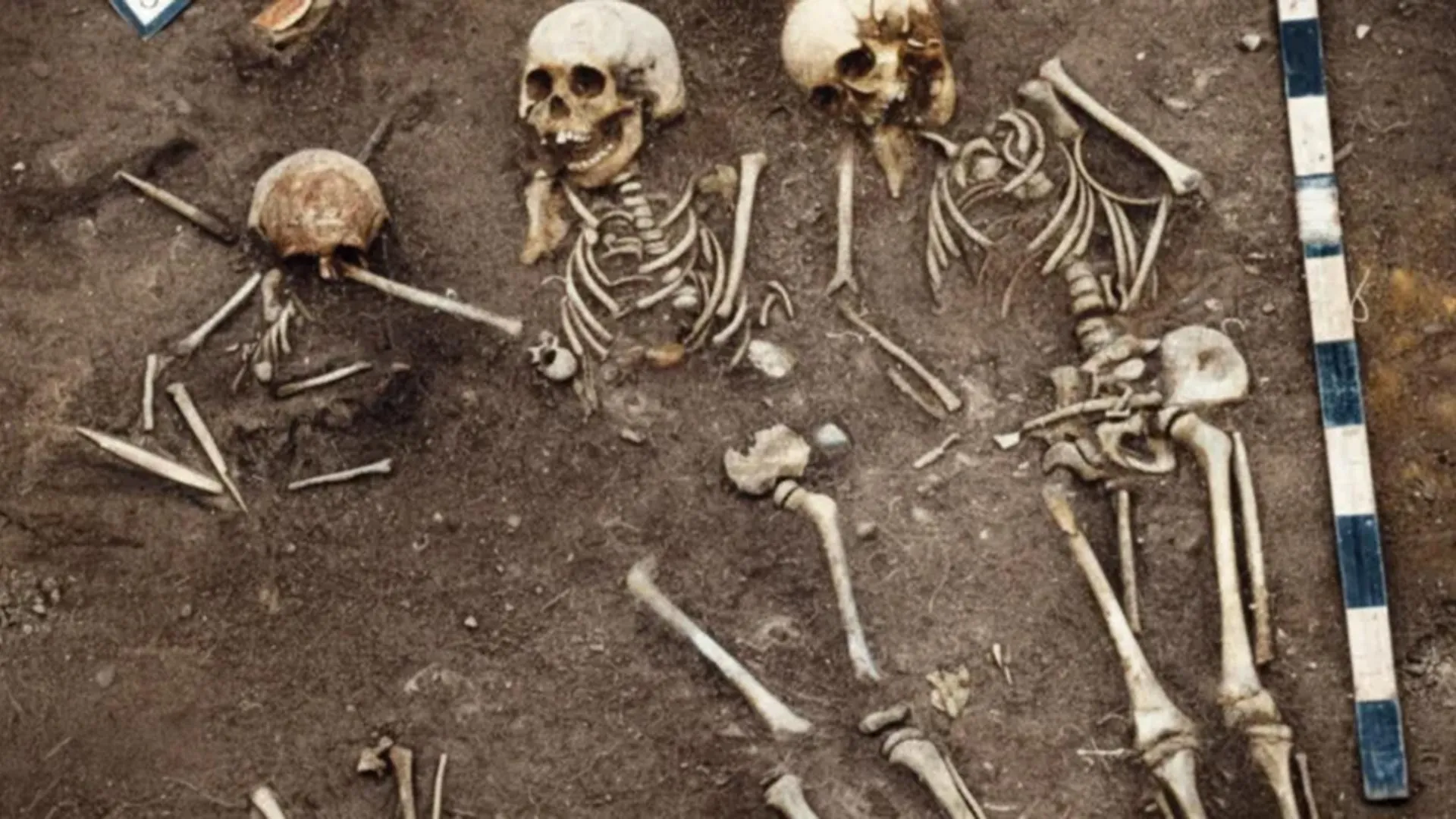
A study published in Nature examined ancient DNA from human remains found at four hunter-gatherer burial sites in the Lake Baikal region of eastern Siberia. By sequencing genetic material preserved in teeth, researchers reconstructed the genome of an ancient plague bacterium and identified a previously unknown early form of the disease.
“Whether early forms of plague were milder or more virulent is a matter of debate, but our findings show that these ancient strains were already highly lethal,” said lead author Eske Willerslev, a professor at the University of Copenhagen and the University of Cambridge.
To understand what happened within these prehistoric communities, the international research team combined genetic evidence with archaeological analysis and radiocarbon dating.
“Based on plague DNA, genetic relationships among victims, archaeological analysis and radiocarbon dating, we have built a very clear and complete picture of what happened during these epidemics,” said lead author Ruairidh MacLeod. He conducted the research while a doctoral student at the University of Cambridge and is currently a research fellow at the University of Oxford.
The researchers detected plague bacterium DNA in 18 of the 46 people tested. That means nearly 40% of the individuals showed evidence of infection—a detection rate even higher than those reported at some medieval plague burial sites.
Early plague may have been more deadly than scientists thought
Previous research suggested that ancient plague strains lacked some of the genetic characteristics that later allowed bubonic plague to spread efficiently through flea and rodent hosts. Scientists therefore believed that earlier versions of the bacterium may have been less capable of causing serious outbreaks.
These new findings challenge that view.
Researchers found an unusually large number of children and teenagers among the dead at the two largest cemeteries. Archaeologists had struggled for decades to explain why so many young people were buried there within such a short period.
“The unusually high number and short duration of children has been a real challenge that we’ve been trying to solve since the 1990s,” said Andrei Weber, an archaeologist at the University of Alberta and principal investigator of the Baikal Archeology Project.
Radiocarbon dating indicates that many of the deaths occurred close together, suggesting that they happened during the same period. In some cases, siblings appear to have died together. Other graves may contain parents and children who died during the same epidemic.
Genetic clues may explain the plague’s lethality
The ancient plague strains also contained unique superantigens—genetic elements that produce toxins—that were not found in historical plague strains. Superantigens can trigger an abnormally strong immune response, causing severe inflammation and potentially making infections more dangerous.
“This discovery changes our understanding of early plague outbreaks. Even before the bacterium evolved efficient flea-borne infection, these ancient strains appear to have possessed a combination of potent virulence factors that could make the infection highly lethal,” said lead author Martin Sikora, associate professor at the University of Copenhagen.
Taken together, the evidence suggests that some of the earliest known plague outbreaks may already have been as deadly as later historical epidemics, particularly for children. This may have been possible even before the bacterium developed the efficient flea transmission associated with later bubonic plague.
Did plague spread from marmots to humans?
The discovery also supports the theory that plague may have originated in Central or Northeast Asia before spreading across Eurasia through wild rodent populations.
Archaeological evidence shows that hunter-gatherers living around Lake Baikal had close contact with marmots, large burrowing rodents that still carry disease today. Researchers therefore suspect that some of these prehistoric epidemics may have begun when the disease passed directly from infected marmots to humans.
If that theory is correct, plague could cause deadly outbreaks in small human communities thousands of years before cities, crowded settlements and flea-borne transmission made the disease infamous.
Source: www.sciencedaily.com