


NASA’s 2025 Astronaut Candidates Prepare for the Moon and Mars
From camping and hiking to swimming and flying, NASA’s 2025 astronaut candidate class spent the summer building the skills they will need for future missions to low Earth orbit, the Moon, and eventually Mars.
The 10 astronaut candidates have been completing a comprehensive and rigorous training program since they were introduced to the public at NASA’s Johnson Space Center in Houston on September 22, 2025. They are about halfway through a nearly two-year program designed to prepare them for human spaceflight missions.
Geology Training Prepares Candidates for Lunar Missions
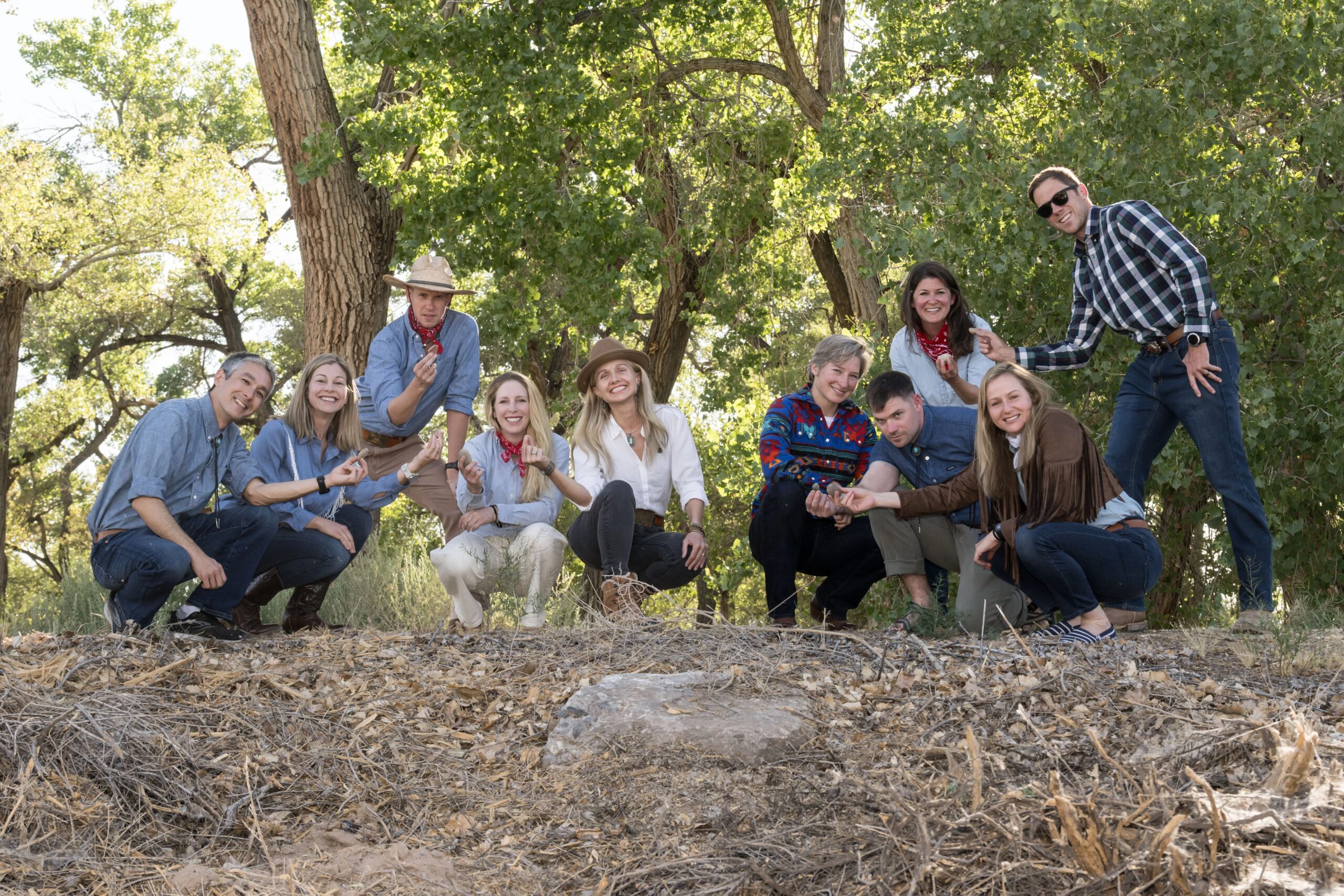
Astronaut candidates could be assigned to a future Artemis mission to the lunar surface, making geology an important part of their training. In May, after completing classroom instruction at Johnson University, the candidates traveled to Rio Grande del Norte National Monument in New Mexico for additional classroom and field training.
Several candidates also joined NASA’s astronaut and Artemis mission support teams for geological field training in Iceland in July. There, they practiced geological observation, sample collection, navigation, and teamwork. These skills and procedures are designed to translate directly to future Artemis missions on the Moon.
NASA Astronaut Candidates Train on the WB-57 and T-38
Whether they are learning to fly or refining existing piloting skills, astronaut candidates train in aircraft to build confidence, coordination, adaptability, and resilience in high-stakes environments.
This summer, their flight training included flying NASA’s WB-57, one of three long-range, high-altitude aircraft that have supported research missions since the 1960s. The 2025 astronaut candidate class also began flying NASA’s T-38 supersonic jet aircraft.
Altitude Chamber Training Simulates Extreme Flight Conditions
The candidates also trained in one of Johnson Space Center’s altitude rooms as part of their flight preparation. These specialized facilities can simulate pressure levels ranging from sea-level conditions to near-vacuum conditions.
After putting on flight suits and helmets, the candidates entered the chamber to experience conditions associated with high-altitude flight and space. They also practiced procedures and emergency interventions intended to help keep them safe in demanding environments.
Underwater Survival Training Builds Teamwork and Decision-Making
The astronaut candidates continued survival training to prepare for the possibility of landing in a remote location after a mission. Underwater survival exercises at NASA’s Johnson Neutral Buoyancy Laboratory build teamwork and decision-making skills while simulating challenging landing scenarios.
Russian, Spacecraft and Emergency Training
Alongside their field, flight, and survival exercises, the candidates take intensive Russian language classes and participate in cross-cultural training to prepare for missions involving multiple countries and continents.
Their technical training includes learning to operate spacecraft systems used in human spaceflight missions, conducting extravehicular activity training at the Neutral Buoyancy Laboratory, and working inside other spacecraft mockups. They also study emergency procedures, spacecraft maintenance, and in-flight repairs.
NASA’s 2025 Astronaut Class Is on Track to Graduate in 2027
The class is on track to graduate in 2027. At that point, the candidates will join NASA’s active astronaut corps and await their first flight assignments.
Whether they support ongoing research aboard the International Space Station or travel to the Moon as part of future Mars preparations, the graduates will have the operational expertise, scientific knowledge, and technical background needed to advance NASA’s deep-space exploration goals and support humanity’s long-term presence beyond low Earth orbit.
Source: www.nasa.gov