


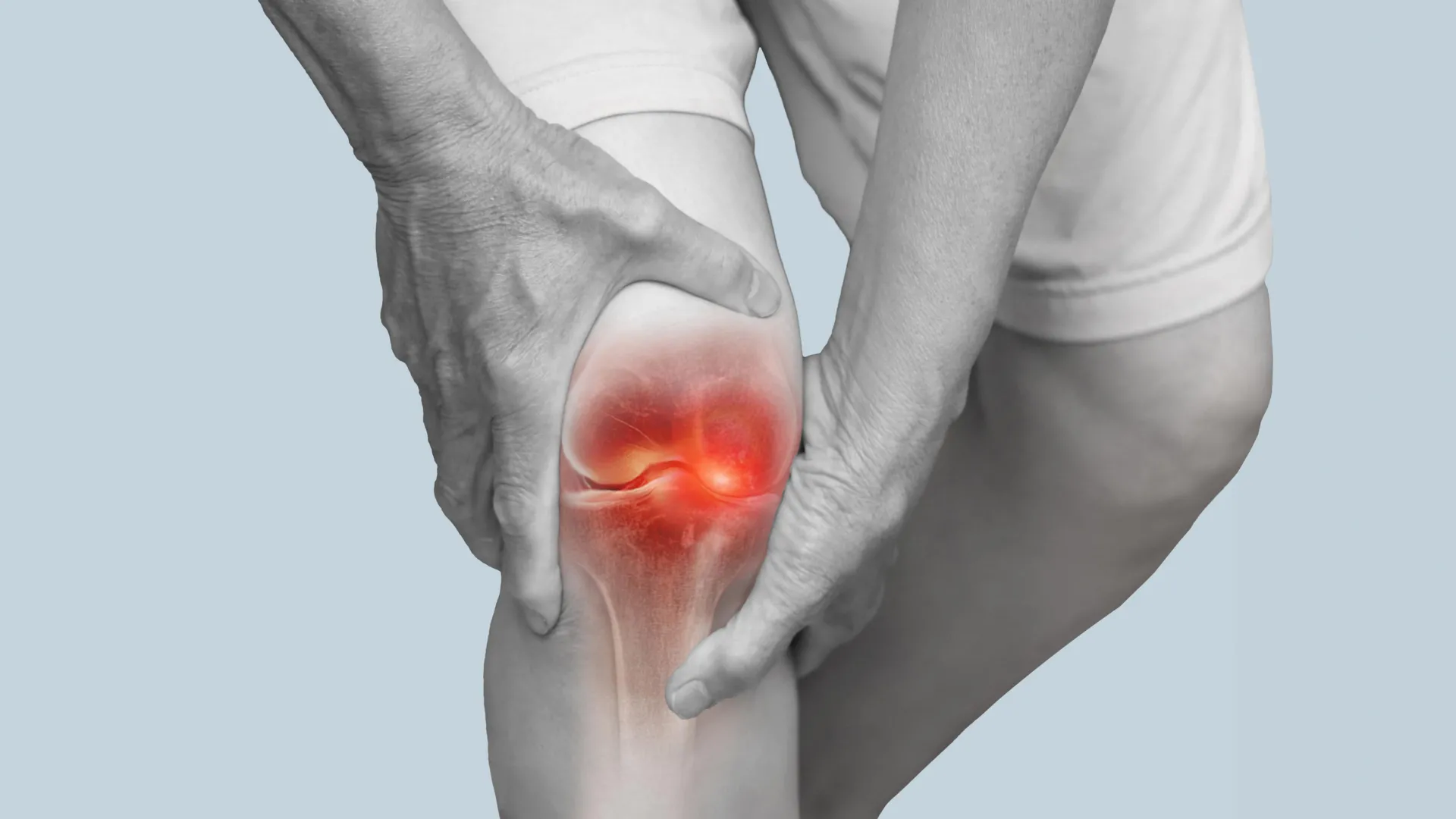
Knee Braces, Hydrotherapy and Exercise May Be the Best Non-Drug Treatments for Knee Osteoarthritis
Knee braces, hydrotherapy and exercise may be among the most effective non-drug treatments for people with knee osteoarthritis (KOA), according to a large-scale analysis published in an open-access journal. The study was led by Yuan Luo of the First People’s Hospital of Neijiang City, China.
Knee osteoarthritis is a widespread joint disease that affects millions of older adults. It can cause persistent knee pain, stiffness and limited mobility, making everyday activities difficult.
Many people with KOA use anti-inflammatory medications to manage their symptoms. However, these drugs may carry gastrointestinal and cardiovascular risks. As a result, researchers and clinicians are increasingly interested in non-pharmacological treatments that can reduce pain and improve movement.
Study compared 12 non-drug treatments for knee osteoarthritis
To identify the most effective non-drug options, researchers analyzed evidence from 139 clinical trials involving approximately 10,000 participants.
The study assessed 12 different treatments, including laser therapy, electrical stimulation, knee braces, orthotics, kinesiology tape, water-based treatments, exercise and ultrasound.
Rather than evaluating each treatment separately, the researchers used a network meta-analysis. This approach allows multiple treatments to be compared across different clinical trials and helps estimate how each option performs relative to the others.
Knee braces ranked highly for pain, stiffness and physical function
Knee braces performed well across several important measures. They were associated with reductions in pain and stiffness, as well as improved physical function.
Hydrotherapy, which combines exercise and treatment in warm water, was particularly effective for reducing pain. Regular exercise also produced consistent benefits, helping improve both pain and physical function.
Several technology-based treatments showed promise in specific areas. High-intensity laser therapy and shock wave therapy were effective for certain outcomes.
Ultrasound, however, ranked near the bottom of the treatment comparisons on multiple occasions.
Simple, accessible treatments may offer significant benefits
The findings suggest that relatively simple and accessible treatments may be among the most effective ways to manage knee osteoarthritis without medication.
However, the researchers cautioned that the rankings are not definitive. The 139 studies differed in their designs, some included relatively small groups of participants, and treatment durations varied widely. These differences make it difficult to determine exactly which treatment is best for every patient.
Despite these limitations, the authors concluded that physical therapy approaches show promise for knee osteoarthritis and may provide useful alternatives to anti-inflammatory drugs.
More research is needed on treatment combinations and cost
Future studies should examine whether combining treatments can produce better results. Researchers also want to determine which approaches provide the greatest benefits in relation to their cost.
The authors wrote: “Knee braces, hydrotherapy, and exercise are the most effective non-pharmacological treatments for knee osteoarthritis. They reduce pain and improve mobility without the gastrointestinal and cardiovascular risks associated with common pain medications. Patients and clinicians should prioritize these evidence-based options.”
They added: “Our analysis of nearly 10,000 patients reveals that simple, accessible treatments such as knee immobilization and water-based exercises are more effective than high-tech treatments such as ultrasound. This could reshape clinical guidelines to focus on safer, lower-cost interventions.”
Source: www.sciencedaily.com