



Wuyo Sui, a researcher at Western University in London, Canada, discusses the ethical considerations of using digital wearable technology in research.
Credit: Anna Sui
Consumer Wearables in Health Research: Privacy, Security and AI Ethics
Consumer wearables such as smartwatches and rings help people track daily steps, heart rate and sleep patterns. Because these devices are popular and easy to use, researchers are increasingly using them in health research, including studies of exercise programmes and chronic diseases.
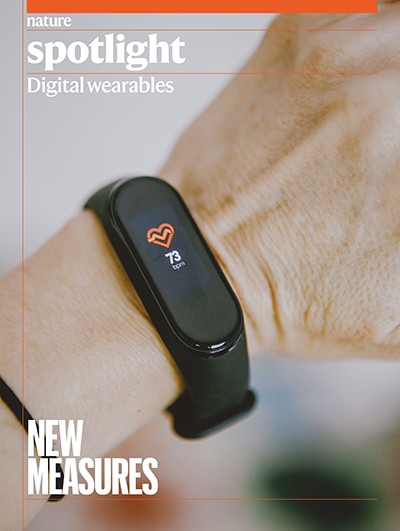
Nature Spotlight: Digital Wearables
Wuyo Sui, a digital health and behaviour-change researcher at Western University in London, Canada, studies how digital technology can improve physical activity levels and mental health. He also examines the accuracy, safety and effectiveness of artificial-intelligence tools designed to improve health behaviours.
These tools often rely on “black box” algorithms, making it difficult to understand how inputs are processed and how outputs are produced.
Wearables can deliver more personalised health interventions by using individual data, but researchers must address ethical concerns when using commercial devices, Sui says. The two biggest concerns are data privacy — what information AI-based algorithms use — and data security, including who may access that information.
Risks include the sale, sharing and theft of sensitive data that could reveal an individual’s daily habits and physical condition to advertisers, insurance companies and businesses that sell personal information.
Sui spoke to Nature about how researchers can navigate the complex and changing landscape of consumer wearables in scientific research.
Why are consumer wearables raising ethical questions in research?
Until 2019, my colleagues and I used traditional research-focused wearable devices, such as inclinometers. An inclinometer can be attached to the thigh to determine whether a person is sitting or standing. However, these devices were expensive and required the wearer to shave their thighs and install both the inclinometer and a waterproof cover.
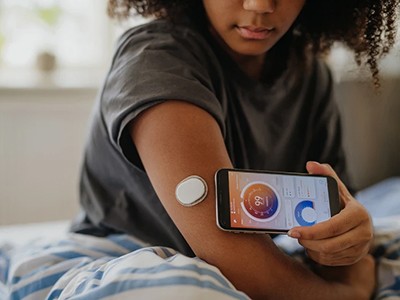
Will wearable technology change clinical trials?
We began exploring ways to collect step counts from commercial health apps used by study participants. Our aim was to use these data in Pathverse, a digital platform created to deliver tailored health interventions to participants.
Another study collected data from commercial virtual-reality headsets with built-in accelerometers to corroborate participants’ activity levels. In both cases, however, there was no way to independently assess how third-party apps determined the frequency and intensity of movement.
The lack of transparency around the AI algorithms used by wearable-device companies means that platforms using this data could inadvertently draw erroneous conclusions. If the number of steps reported to participants is inaccurate or incomplete, for example, researchers could provide incomplete health recommendations, such as advising participants to double the number of steps they take.
This is just one of many ethical concerns. As my colleagues and I continued to explore the issues associated with wearables, we addressed important questions in our 2023 paper1: as scientists, are we putting ourselves or our research participants at risk by using consumer wearables?
What are the main ethical risks of wearable technology?
For now, concerns about data privacy and security outweigh concerns about researchers’ ability to validate opaque algorithms. Smartphones and smartwatches have created new opportunities to track movement, but they have also introduced third-party developers with commercial interests beyond researchers’ control.
Scientists share data with developers whether they intend to or not, but they have no control over where that data goes or how it is used. Every entity that collects data acts as a data intermediary.
Suppose a digital wearable tracks a person’s running habits. At a micro level, device manufacturers could use that information to push advertisements for specific products or articles, potentially influencing the person’s behaviour. At a macro level, a user database could be made available to advertisers, depending on a company’s terms of service.
These practices can compromise the research process and create privacy and security risks. Device manufacturers could also use the data to train AI-based algorithms designed to influence consumer behaviour more effectively.
How is AI changing the ethical challenges of wearable research?
In 2021, the Office of the United Nations High Commissioner highlighted the need for a moratorium on the deployment and use of AI systems that pose significant risks to human rights. This prompted us to consider the ethical implications of using commercially available wearables in research.

When AI becomes conscious: Researchers will know:
AI tools can streamline interactions between researchers and research participants. For example, when providing exercise advice based on a participant’s current behaviour, researchers can use an AI chatbot to ask about step goals or physical barriers.
When combined with data from wearable devices, participants’ answers can be used to create customised interventions that shape their goals and behaviour in ways that researchers alone cannot.
Researchers once had to create their own large language models (LLMs) to guide chatbot interactions with participants. This approach offers greater oversight but is more difficult. An alternative is to use a commercially available system such as ChatGPT.
However, researchers must provide detailed prompts to guide interactions between the chatbot and participants. They also have far less understanding and oversight of how commercial chatbots operate and collect data than they would with their own LLMs.
Source: www.nature.com