


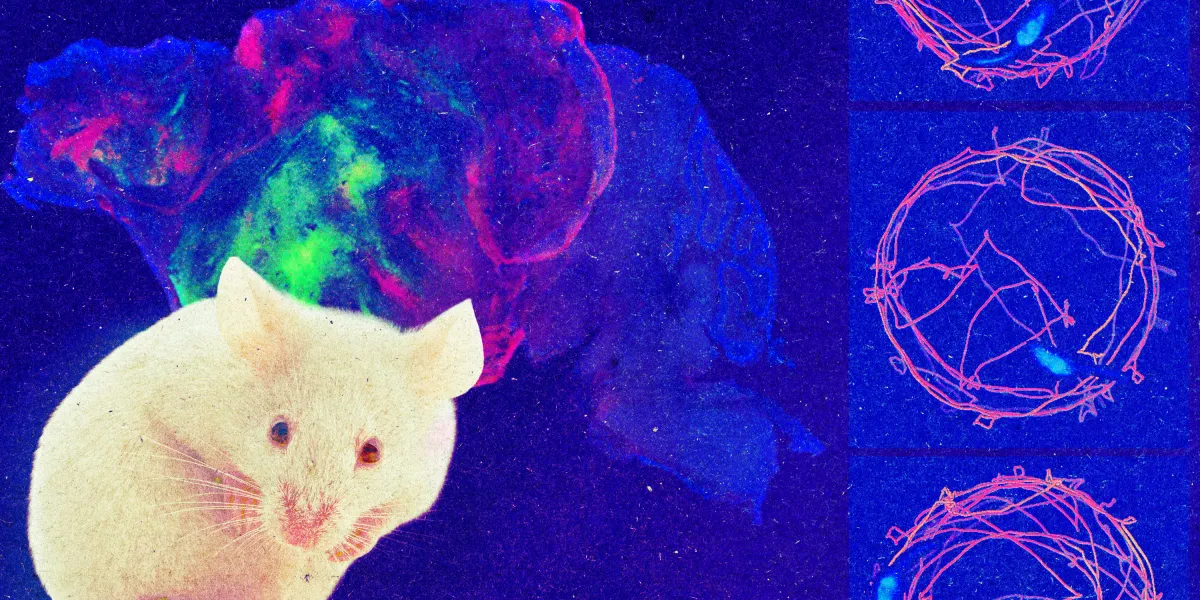
Human Brain Cells Help Genetically Engineered Mice Recover Memory Function
Researchers at Stanford University have reported a striking advance in brain research: human neural tissue has been integrated into the brains of genetically engineered mice with underdeveloped cortex and hippocampus regions.
Creating Space for Human Brain Cells
The team, led by Stanford neuroscientist Serge Paschka, previously showed that human brain organoids—small clusters of neural tissue—could survive and function after being injected into the brains of baby rodents.
In the new study, the researchers genetically modified mice so their brains would not fully develop. The engineered animals lacked most cells in the cortex and hippocampus, two regions that play important roles in learning, memory and other brain functions.
According to the researchers, the reduced brain tissue left more room for human cells to grow and connect. After being injected into the mice, the human cells divided, expanded and occupied much of the available space over a period of weeks to months.
Human Cells Improved Performance in a Maze Test
Despite lacking substantial brain tissue, the mice appeared relatively normal. They continued walking and producing vocalizations, although they showed memory problems. During maze testing, the mice had difficulty remembering which areas they had already explored.
By comparison, mice that received human cells performed better in the maze. The findings suggest that the human neural tissue contributed to some aspects of the animals’ cognitive function.
Potential Applications for Brain Injury Research
Paschka believes these “xenocortical mice” could become useful models for studying brain injuries. The research also highlights the combined potential of genetic engineering and stem cell technology to reshape biological systems, said Kirsten Charlesworth, a scientist in another Stanford laboratory who was not involved in the study.
Human Brain Organoids and the Future of Neuroscience
Brain organoids are already being studied in laboratories to determine whether they can connect with computers and play video games. Other researchers have proposed using organoids as replacement tissue for patients recovering from strokes.
Charlesworth said the most remarkable finding was how extensively the human neural tissue, introduced after birth, grew and connected with the mouse nervous system across species barriers.
As these technologies continue to develop, researchers may be increasingly compelled to reconsider traditional assumptions about the boundaries between species, brain function and biological identity.
Source: www.technologyreview.com