


El Niño Kelvin Waves Could Raise California Sea Levels by 1 Foot for Months
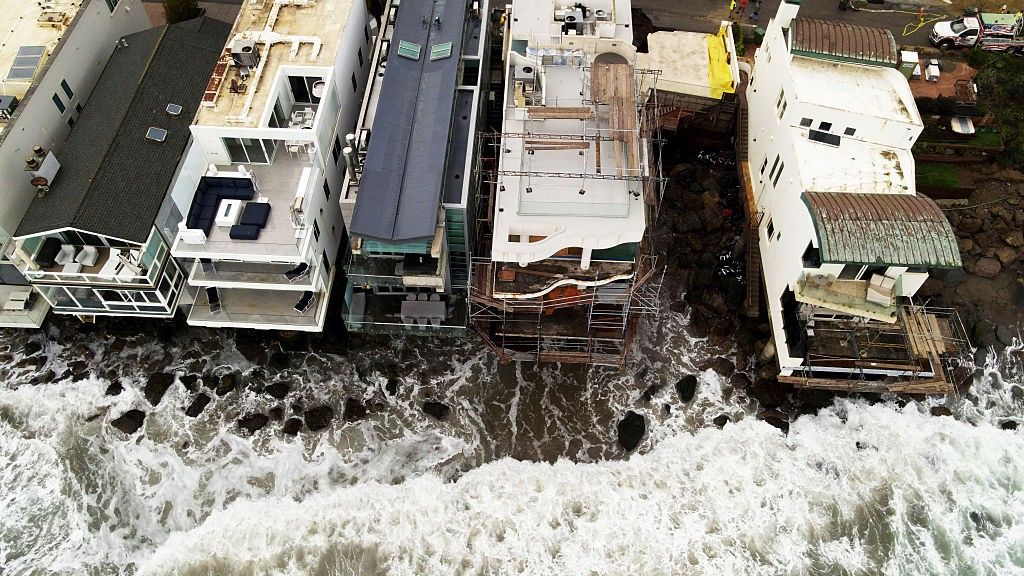
A powerful series of internal Kelvin waves is moving across the Pacific toward the coasts of California, Central America and North America, raising concerns about flooding, storm surges and coastal erosion.
Researchers warn that Kelvin waves linked to the developing El Niño could soon reach the California coast and raise sea levels by up to 1 foot (30 centimeters) for months.
Although Kelvin waves are a normal planetary ocean phenomenon, this forecast has experts concerned because elevated coastal water levels can amplify the effects of powerful storms. Higher seas could increase the risk of storm surges, flooding and coastal erosion during the coming winter.
What are Kelvin waves?
Kelvin waves are large-scale disturbances that travel across the ocean and are influenced by Earth’s rotation. They can spread over thousands of miles, carrying changes in sea level and ocean temperature.
During El Niño events, however, the waves that move across the Pacific are not typical surface Kelvin waves. They are known as internal Kelvin waves because they move the boundary between warm, less-dense surface water and colder, denser water below the ocean surface.
That boundary can shift up and down through the upper 330 feet (100 meters) of the ocean, according to David Webb, a physical oceanographer at the UK’s National Oceanography Center, who spoke to Live Science by email.
How El Niño generates internal Kelvin waves
Internal Kelvin waves begin with changes in surface winds near the equator in the western Pacific Ocean. Bursts of westerly winds weaken the trade winds that normally blow from South America toward Asia.
As a result, warm water and elevated sea levels in the western Pacific gradually move eastward. Webb said the process involves wind changes occurring at different locations and times, meaning the event may not form one clean, easily defined wave.
Once the waves reach the eastern Pacific, they cannot continue farther east. Instead, they split into two branches called coastal-trapped waves, which travel north and south along the coast for thousands of miles.
These waves move at approximately 6 miles per hour (10 km/h), meaning the current event could affect countries and territories bordering the eastern Pacific, not just California.
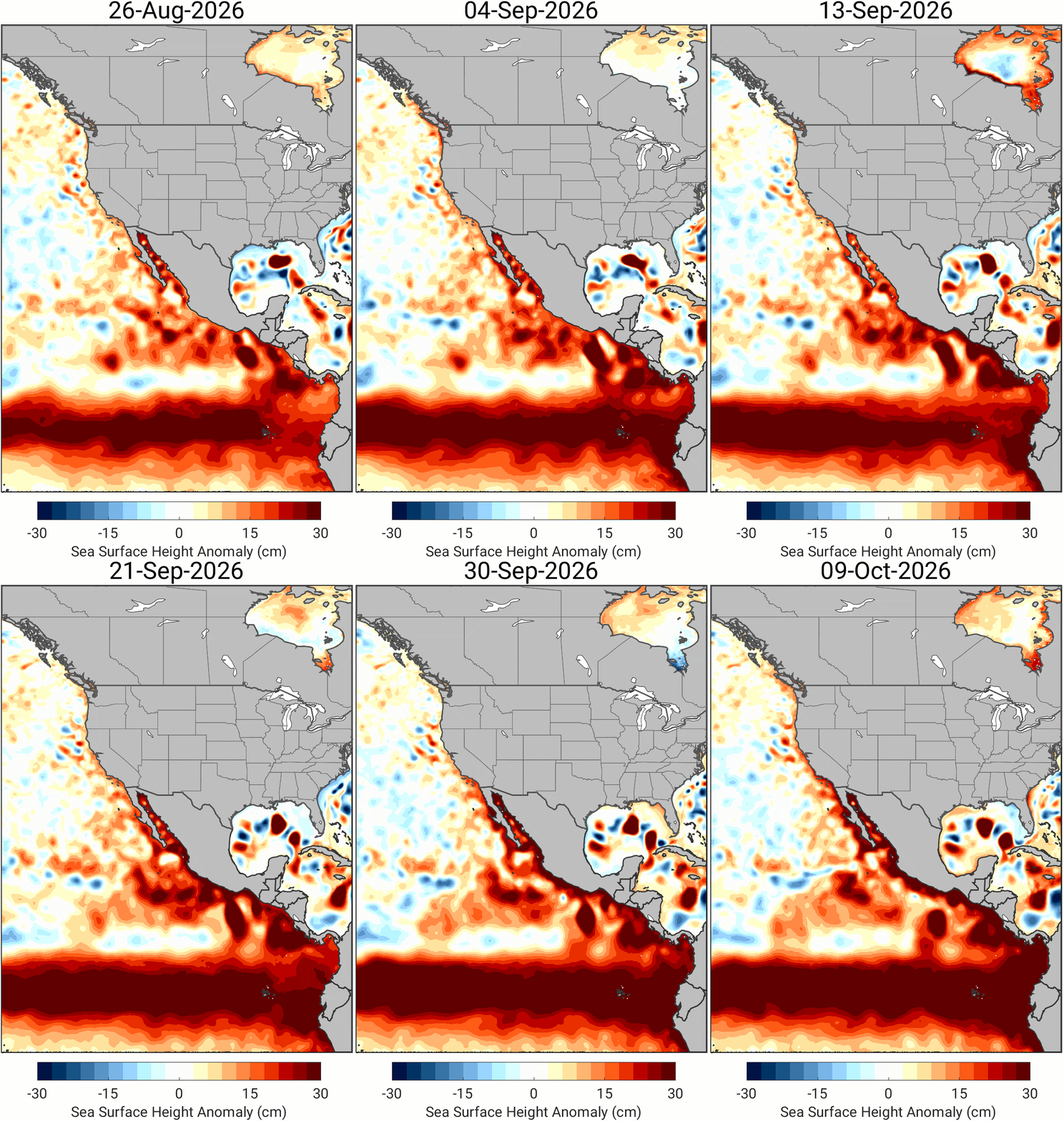
Kelvin waves are disturbances associated with higher-than-normal sea levels. This animation shows one reaching the northern tip of South America and propagating north.
Image credit: Dillon Amaya/North Carolina State University
Why higher sea levels could worsen coastal flooding
Internal Kelvin waves can affect California and other coastal regions even if El Niño does not produce unusually severe storms. Webb said the region could experience periods of normal conditions followed by several weeks when both high and low tides are higher than usual, altering tides and ocean currents.
Sea levels could rise by “several tens of centimeters,” or about 1 foot, as the waves reach the coast. That additional water can make storm impacts more severe by giving waves and storm surges a higher starting point.
“A key observation from past El Niño events is that the most damaging storms are often the ones that coincide with high water levels,” wrote Kate Hackelbridge, executive director of the California Coastal Commission, in a September 11 warning memo. “A storm that peaks at high tide is much more likely to cause damage than the same storm that peaks at low tide.”
El Niño, storms and California’s rising seas
Webb noted that a storm alone could raise coastal sea levels by more than 3 feet (1 meter). Those temporary increases would be added to long-term sea-level rise caused by climate change, which has already raised global sea levels by at least 8 inches (20 centimeters).
California officials have warned homeowners and coastal residents to prepare for potentially extreme conditions, including flooding. Gov. Gavin Newsom declared a state of emergency last week in response to expert weather forecasts, allowing the state to mobilize equipment and resources before the storm arrived, The Guardian reported on September 28.
When could the waves have the greatest impact?
Several internal Kelvin waves can occur during a single El Niño event, and the largest waves are usually recorded during winter. However, Webb said he doubts that more than one full wave will develop this time.
Source: www.livescience.com