


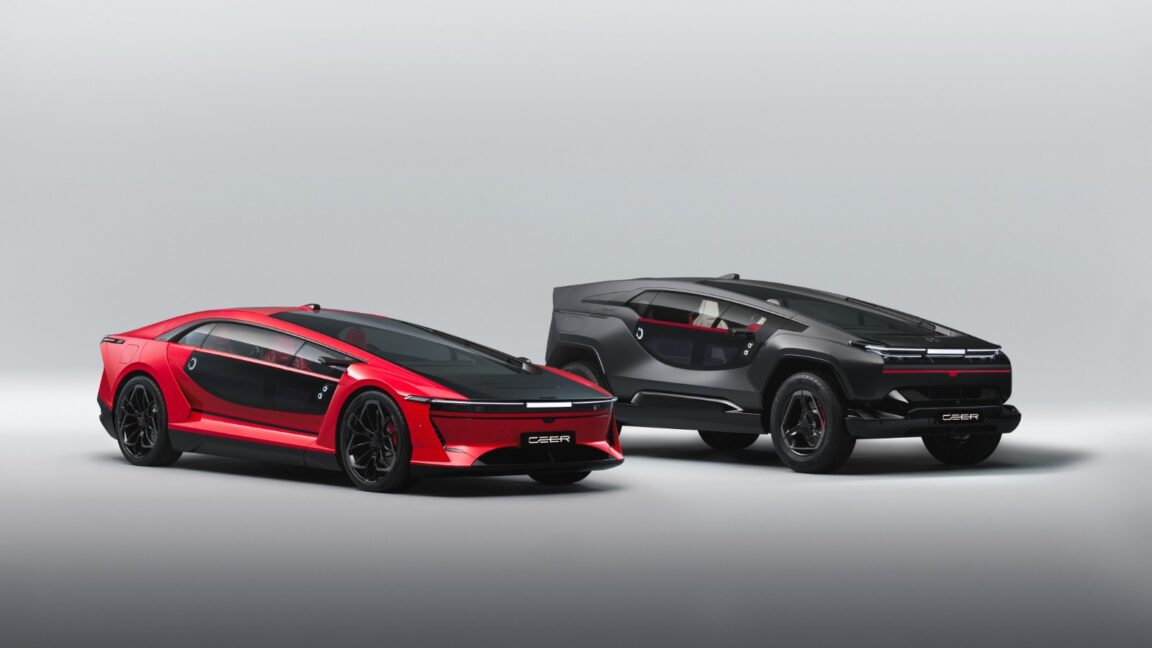
Ceer’s Electric Vehicles Target Global Markets With Saudi Backing
From the beginning, Ceer developed its electric vehicles with rapid certification for global markets in mind, including Europe and North America. That is not a guarantee that the vehicles will launch in every market, but it does make Ceer’s EVs fair to compare with the best electric cars being developed worldwide.
To understand what could set Ceer apart, I asked Leitner what differentiates the company’s vehicles from other electric cars.
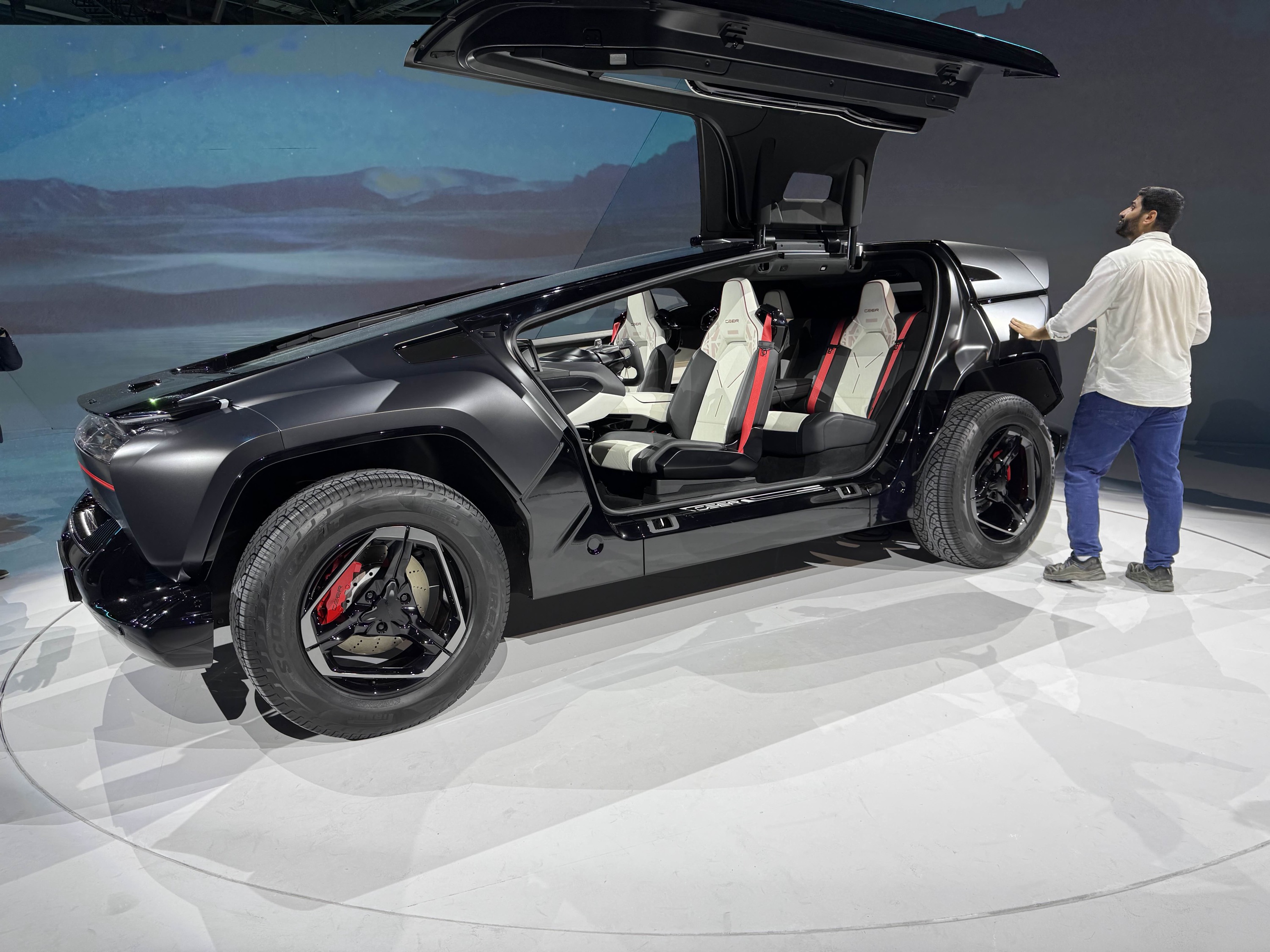
“Everyone has triple motors. Everyone has torque vectoring. Everyone has air suspension. What we do better than anyone else is integrate it all to give you the best driving experience.”
How Ceer plans to build its electric vehicles
Ceer’s vehicles will be manufactured at a purpose-built complex in King Abdullah Economic City, just north of Jeddah. Suppliers will be located nearby, creating an integrated manufacturing base for the company.
If all goes to plan, Ceer expects the project to create 35,000 direct and indirect jobs by 2034.
Could Ceer succeed where Fisker failed?
Direct support from Saudi Arabia’s Public Investment Fund provides Ceer with financial resources to pursue its plans. Unlike Lucid, which PIF backs as an investor, Ceer is owned by the fund.
Saudi Arabia also wants that investment to create jobs throughout the local economy, not only at Ceer. In the United States, every automotive job creates five additional jobs in the local economy when suppliers and the support systems required to operate an automaker are included.
Ceer CEO Mr. DeLuca understands automotive manufacturing after spending substantial time in that area at General Motors. Many of the company’s executives also have experience at GM, Magna Steyr, or other established automakers.
DeLuca previously worked at VinFast. Although the company did not take off in the United States, it launched, produced gas-powered vehicles, and transitioned to EVs surprisingly quickly. Ceer will need a similarly rapid approach to achieve its planned lineup goals.
Source: arstechnica.com