


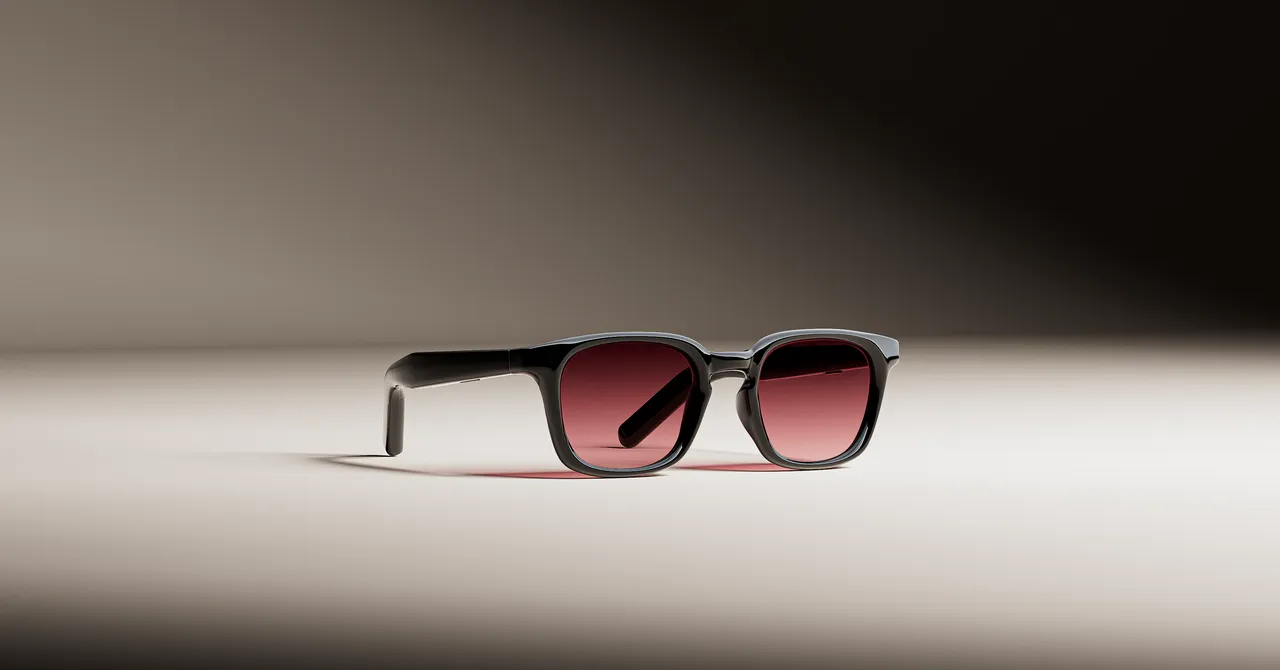
VITURE Vonder AI Glasses Aim to Help Users Become Better Parents
David Jiang, co-founder and CEO of smart-glasses company VITURE, says the company’s unreleased Vonder AI glasses helped him rethink how he parented his children.
Jiang said that when his 10-year-old son played tennis, he often shouted criticism during tournaments. He believed putting pressure on his son would help him succeed because that was how he had been taught to parent.
But during one match, the AI assistant in the Vonder glasses noticed Jiang’s behavior and sent him a message: stop shouting, stop criticizing, and simply be present and supportive.
According to Jiang, the message worked. He believes the glasses helped him recognize an unhelpful pattern and improve his relationship with his children.
“I didn’t know this until Vonder found my pattern,” Jiang said. “It’s not only a tool that summarizes your life, it’s also a tool that helps you become a better person.”
VITURE Vonder Is Designed Without a Virtual Display
VITURE, a San Francisco-based company also co-headquartered in California and Beijing, announced Vonder on Tuesday as its first pair of glasses without a built-in virtual display.
Unlike VITURE’s existing products, the glasses are designed to look and function more like regular eyewear. Instead of projecting a large virtual screen in front of the wearer’s eyes, Vonder is intended to help users organize and project their memories, ideas, and goals onto a digital vision board.
VITURE is known for glasses such as the VITURE One and VITURE Beast. The company’s existing wearable computers connect to devices through a USB-C cable and project a screen in front of the wearer’s eyes. They have primarily targeted gamers and people interested in large-screen entertainment.
Although those glasses serve that purpose, their bulky design can make them less comfortable and fashionable for everyday use.
Vonder AI Glasses Include Microphones, Speakers, and Multiple AI Models
Vonder is named after “Wonder,” with a V replacing the W. The glasses do not include a camera. Instead, their arms contain microphones and speakers that can play music, provide map directions, and let users make phone calls.
The glasses also include an AI assistant that combines several leading large language models. Users can access OpenAI’s ChatGPT, Anthropic’s Claude, Google’s Gemini, and DeepSeek.
Vonder AI selects answers from the fastest and most economical model based on the complexity of a task. That approach is intended to make the glasses useful for everyday assistance as well as more personal applications, such as identifying behavior patterns and offering real-time guidance.
For Jiang, that guidance could make Vonder more than a wearable assistant. It could become a tool that helps people reflect on their actions and make better decisions in daily life.
Source: www.wired.com