


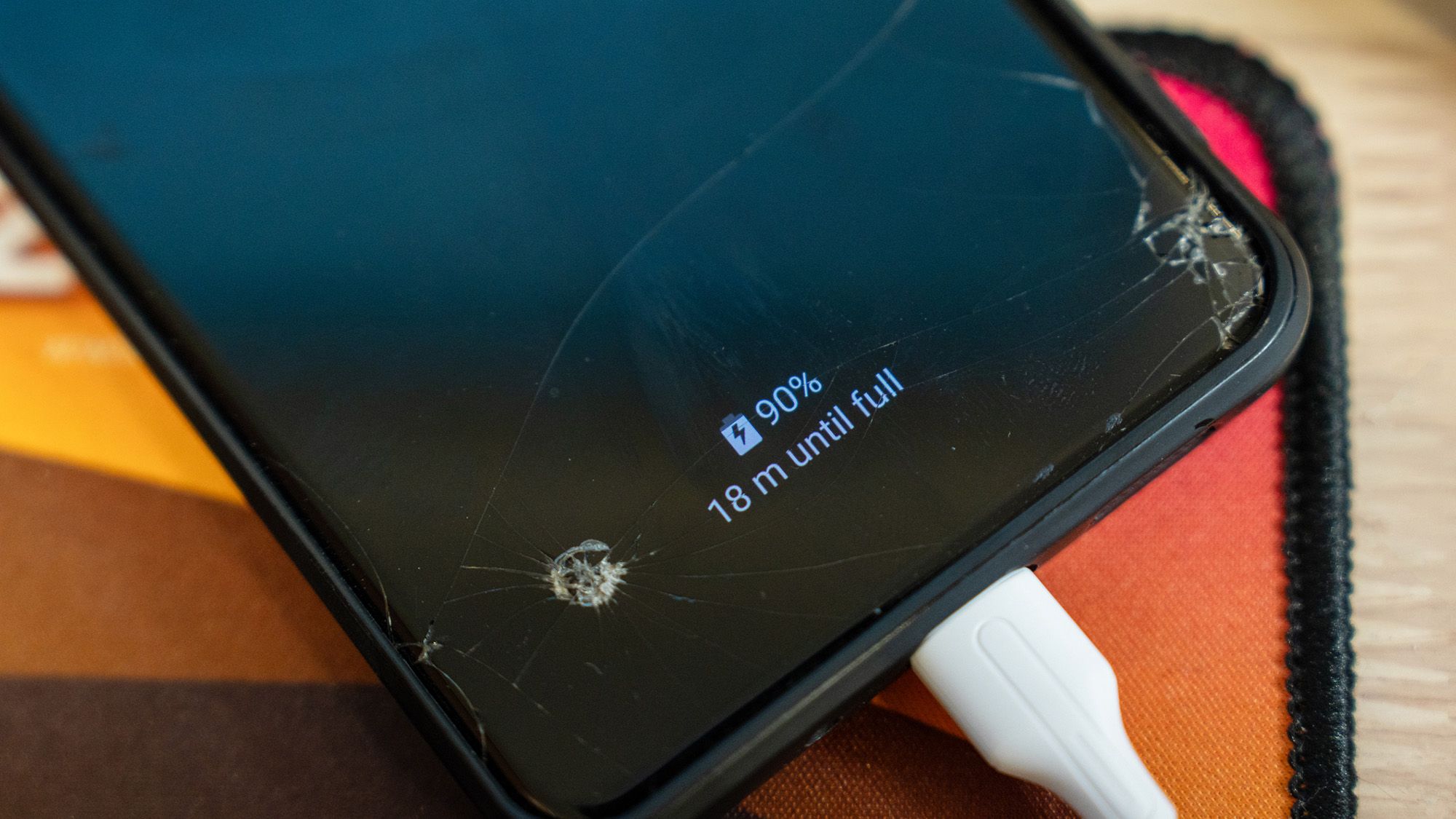
The rise of fast charging technology is transforming how we power our devices. Many smartphones can reach over 50% charge from nearly empty in just 30 minutes, while some electric vehicles can extend their range by hundreds of miles through rapid charging. However, there are important considerations about battery health.
Despite advancements, batteries have limitations. Their capacity decreases over time. Given the rapid power input from fast charging, does it negatively impact battery longevity?
Experts confirm that yes, fast charging can accelerate battery wear, but it’s more nuanced. While it may hasten the deterioration of certain battery types, modern batteries come equipped with protective mechanisms.
How Fast Charging Works
Rechargeable lithium-ion batteries—the most common battery type—function by transferring lithium ions between two electrodes, the anode and cathode. During charging, lithium ions are stored at the anode, ready for use.
The critical difference between regular and fast charging lies in the speed at which lithium ions move. Conventional charging can take several hours, while fast charging can replenish your battery within an hour.
This diagram illustrates how lithium ions traverse within a battery circuit.
(Image credit: Kenna Hughes-Castleberry/Live Science)
Regular charging applies a lower current, allowing lithium ions to insert gradually into microscopic pores, generating minimal heat and mechanical stress. “Fast charging raises the current, providing significantly more power and reducing the charge time,” explains Jiang Zhiyuan, an associate professor at Xi’an Jiaotong University’s School of Chemical Engineering and Technology.
Sign Up for Our Newsletter

(Image credit: Marilyn Perkins / Future)
Subscribe to our weekly Life’s Little Mysteries newsletter for the latest insights into fascinating mysteries.
Not all batteries are optimized for fast charging. A battery’s fast charging capacity hinges on its material composition, internal structure, and management system. Fast charging batteries frequently employ specialized electrode materials or thinner structures to facilitate easier movement of lithium ions.
Stanisław Zańkowski, a battery researcher at the University of Oxford, likens the charging process to traffic flow through a city. “Fast charging addresses how efficiently we can transport all that traffic without causing bottlenecks,” he explained.
Potential Damages from Fast Charging
All lithium-ion batteries experience capacity loss over time, even with careful usage. However, fast charging can suppress some chemical processes that contribute to aging.
A major concern is a phenomenon known as lithium plating. During fast charging, there may not be sufficient time for lithium ions to reposition correctly within the anode. Consequently, lithium may accumulate as metal on the electrode’s surface, diminishing the lithium available for energy storage and reducing capacity. In severe cases, this can lead to needle-like structures called dendrites that can compromise battery integrity and safety.
Fast charging also results in increased heat generation. Heat, a natural byproduct of electrical resistance, escalates with charging speed.
“Charging a small battery with minimal current produces relatively little heat,” noted Zankowski. “As battery size increases, the current and resultant heat must also increase, making rapid charging of large batteries more challenging for safety reasons.”
Rising temperatures can accelerate chemical reactions, leading to gradual degradation of battery materials. In extreme heat, batteries may expand, ignite or even explode due to a condition known as thermal runaway.

Many batteries, such as those in electric vehicles, are equipped with management systems to ensure safe charging without overheating.
(Image credit: Witthaya Prasongsin, Getty Images)
Fortunately, most modern smartphones, laptops, and electric vehicles feature advanced battery management systems that monitor charging parameters such as voltage and temperature. Therefore, heat warnings are issued when devices overheat, automatically slowing down charging to safeguard the battery.
Top Tips to Extend Battery Life
So, how can you protect your battery while still benefiting from fast charging?
Experts Zankowski and Zhang emphasize the importance of temperature control. They advise against charging devices in hot environments, such as inside a parked car or direct sunlight. Extremely low temperatures can also be harmful since they hinder lithium ion movement.
“The ideal temperature range for battery health is between 20 to 25 degrees Celsius (68 to 77 degrees Fahrenheit),” Zankowski noted.
Experts also recommend avoiding leaving laptops and other devices plugged in constantly, as this can negatively impact battery performance. Jiang advises following a “shallow charge, shallow discharge” routine.
“Maintain battery levels between 20% and 80% during regular use,” he suggests, emphasizing that charging to 100% isn’t necessary each time.
Match ancient devices with photos! Test your knowledge with our quiz!
Topics
Source: www.livescience.com