


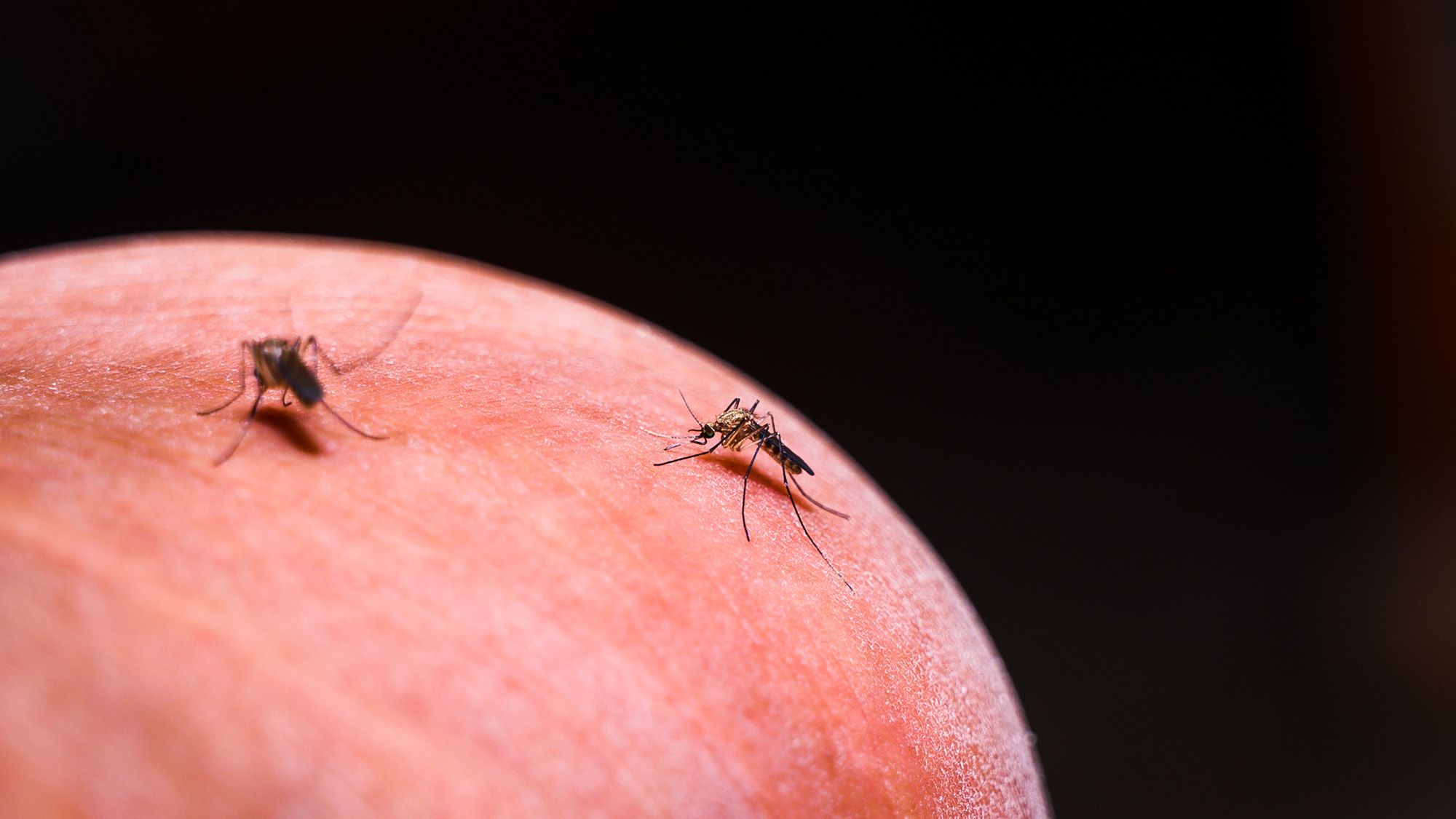
Extensive malaria control initiatives in the Brazilian Amazon have significantly reduced the disease in the city, but recent spikes in cases have raised concerns. Scientists believe they have identified the underlying causes.
The malaria control campaign took place in northern Brazil during the construction of the world’s largest hydroelectric dam. From 2013 to 2017, this initiative succeeded in cutting annual malaria cases. However, with the program’s conclusion, infections surged, particularly in rural areas surrounding Altamira, reaching over 700 cases annually.
A study published on July 9 in the journal Geo Health analyzed 15 years of malaria surveillance data along with satellite imagery of the forests around Altamira. Research indicated that deforestation and dam construction contribute to malaria outbreaks by creating habitats for mosquito larvae at forest edges. Extensive logging, cattle grazing, and settlement have fragmented the remaining rainforest along the Xingu River.
However, the resurgence of malaria may not solely be attributed to deforestation. Instead, cases have been closely linked to forest edges—the transitional areas where intact forests meet cleared land. These locations provide ideal conditions for mosquitoes: shade from trees, sunny pools of standing water for breeding, and proximity to humans.
The findings emphasize the interplay between ecological factors and malaria risk, suggesting that continuous monitoring in high-risk areas is crucial to prevent future infections.
“The situation in Altamira serves as a unique case study resembling a natural experiment,” said Eloise Skinner, an epidemiologist and postdoctoral fellow at Australia’s University of Queensland. These insights could inform Brazil’s goal of eliminating malaria within the next decade.
Programs Linked to Temporary Funding
Researchers monitored malaria trends before, during, and after the Belo Monte Dam’s construction. Even prior to construction, malaria was prevalent in the region, with over 1,200 cases reported annually in Altamira.
Get the world’s most fascinating discoveries delivered straight to your inbox.
With thousands of workers migrating to the area, local health authorities, along with the dam’s developers, implemented a comprehensive management program. This strategy included indoor insecticide spraying, bed net distribution, and rapid diagnosis and treatment of malaria cases, particularly targeting the Nisorhynchus darlingii mosquito, the primary vector for malaria in the Brazilian Amazon.
Mosquitoes can infect humans with malaria by biting infected individuals and subsequently transmitting the parasite to others. Timely treatment of those infected is essential to interrupt the transmission cycle.
Despite the influx of workers, infections initially decreased, but once construction concluded and funding ceased, malaria cases surged once again.
Nisorhynchus darlingii mosquitoes, which transmit malaria in the Amazon, breed in partially shaded bodies of water.
(Image credit: Sabrina Simon)
To investigate the factors driving the malaria resurgence, researchers analyzed three data streams: case records from Brazil’s national malaria surveillance, temperature and precipitation data, and forest area statistics. These factors influence the breeding environment for mosquitoes and the development rate of the malaria parasite within them. The research team also assessed travel time between case clusters and nearby towns to evaluate how easily people and disease can spread.
Results indicated that forest edges are a strong predictor of malaria case increases. A 1% growth in forest edge circumference correlated with a roughly 0.7% rise in malaria cases, while a 1% uptick in Altamira’s population led to an increase of approximately 1.4% in infections.
The pattern of resurgence was not uniform. Prior to dam construction, most malaria cases were clustered within Altamira’s urban area. However, by 2020, nearly all cases were found in remote, rural populations near forest edges, while the urban center remained relatively unaffected.
“The recurrence of malaria in hard-to-reach areas showcases the vulnerability of these communities,” Skinner emphasized. “The urban center was protected due to easier access to diagnosis and treatment.”
This leaves vulnerable communities exposed. Areas hardest to reach with health services also have the highest ecological risks.
However, this pattern suggests a strategic approach to mitigation. Malaria resurgence was consistently linked to rural communities adjacent to forest edges, indicating a need for targeted interventions in these areas to prevent future outbreaks.
Brazil aims to eliminate locally transmitted malaria by 2035. Skinner warns that the case of Altamira, which nearly eradicated malaria only for infections to rebound after program termination, serves as a cautionary tale. When communities are influenced by environmental factors that enhance malaria risk—such as forest edge systems—prematurely stopping control programs can lead to an inevitable return of the disease.
“The concentrated and predictable pattern of resurgence allows for better resource allocation and intervention planning,” Skinner remarked. “Achieving the 2035 target requires sustained investment and acknowledging that environmental risks can be forecasted, allowing for effective resource deployment.”
Skinner, E. B., de Angeli Dutra, D., Pelegrino, É., Damasceno, O., Burza, S., and Mordecai, E. A. (2026). Malaria resurgence in protected and rural areas following successful control initiatives in Brazilian Amazon municipalities. Geo Health 10, e2025GH001754.
Topics
Source: www.livescience.com