


Robots and AI Could Digitize Hundreds of Years of Natural History Specimens in Just 10 Years
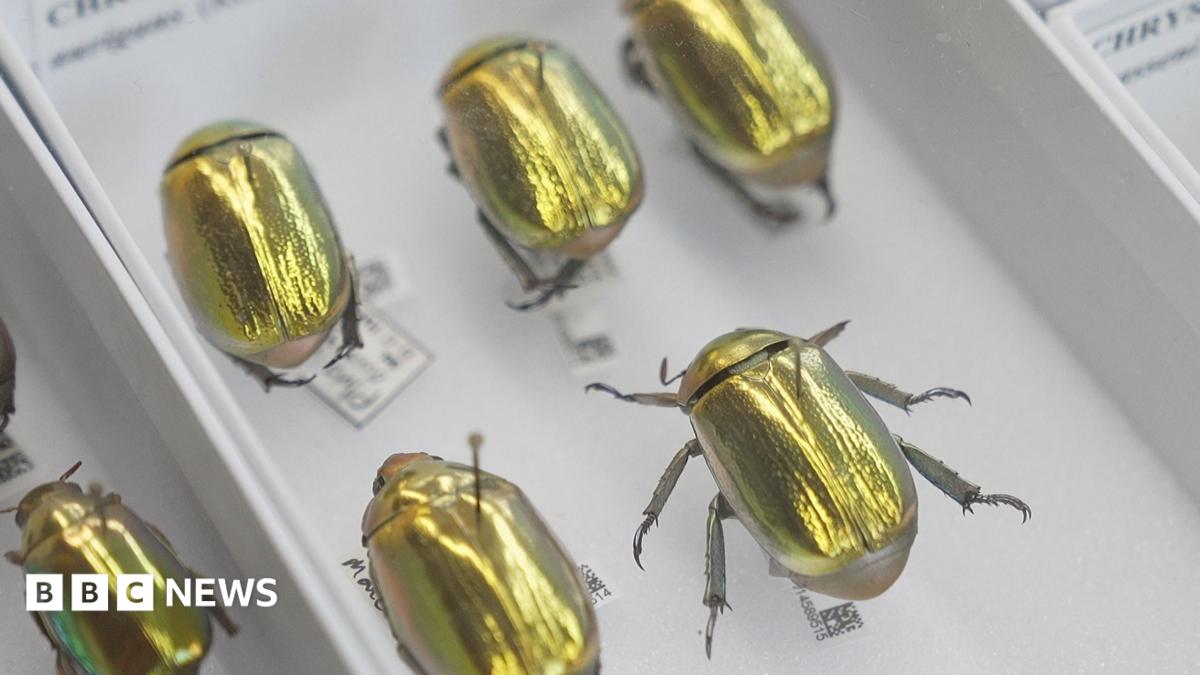
Scanning a natural history specimen is a complex process. Each specimen must be photographed, while its tiny label—often handwritten and sometimes centuries old—must also be recorded because it contains important scientific information.
Sarah Adejio, director of programme delivery at DiSSCo UK, said the team had calculated that recording the specimens manually would take hundreds of years. With robots and artificial intelligence, however, the process could now be completed in 10 years.
“What we can now do is connect and analyse information on an unprecedented scale that was never possible before.”
100 organisations are taking part
The project involves 100 museums, botanical gardens, universities and other organisations across the UK.
The specimens being photographed are not large animals such as whales or dinosaurs. The early stages of the project are beginning with collections in Wales and Scotland, focusing on beetles, butterflies, moths, flies, pressed flowers and ferns.
Although these specimens may appear small or unremarkable, they provide some of the best records of how the landscapes around them have changed.
500,000 Welsh insect and plant specimens to be scanned
In Cardiff, researchers will scan around 500,000 insect and plant specimens. The collection ranges from large, colourful butterflies to flies small enough to land on a fingertip.
These insects are among the most sensitive indicators of the health of a landscape, making the historical collections valuable for understanding environmental change.
Scottish collections span two centuries of environmental change
The Royal Botanic Gardens of Edinburgh and the National Museums of Scotland hold 13 million specimens, making the collection the second-largest natural science collection in the UK.
Together with 50 smaller Scottish collections, the specimens span environments from sea level to mountain tops. They document two centuries of changes in the plants and insects found across Scotland’s landscapes.
Digitisation will make unique collections more accessible
Jenny Geroni, head of natural sciences and research at Amgueddfa Cymru Museum Wales, said the project would provide an opportunity to display material from across the country.
“Each collection is unique. There is a lot of Welsh material that is not available anywhere else,” Geroni told BBC News.
“By collecting material from all over the UK, we’re also building a good picture of what’s going on nationally. And anyone who adds to the global collection will be building a stronger picture of what’s going on elsewhere.”
Source: www.bbc.co.uk