


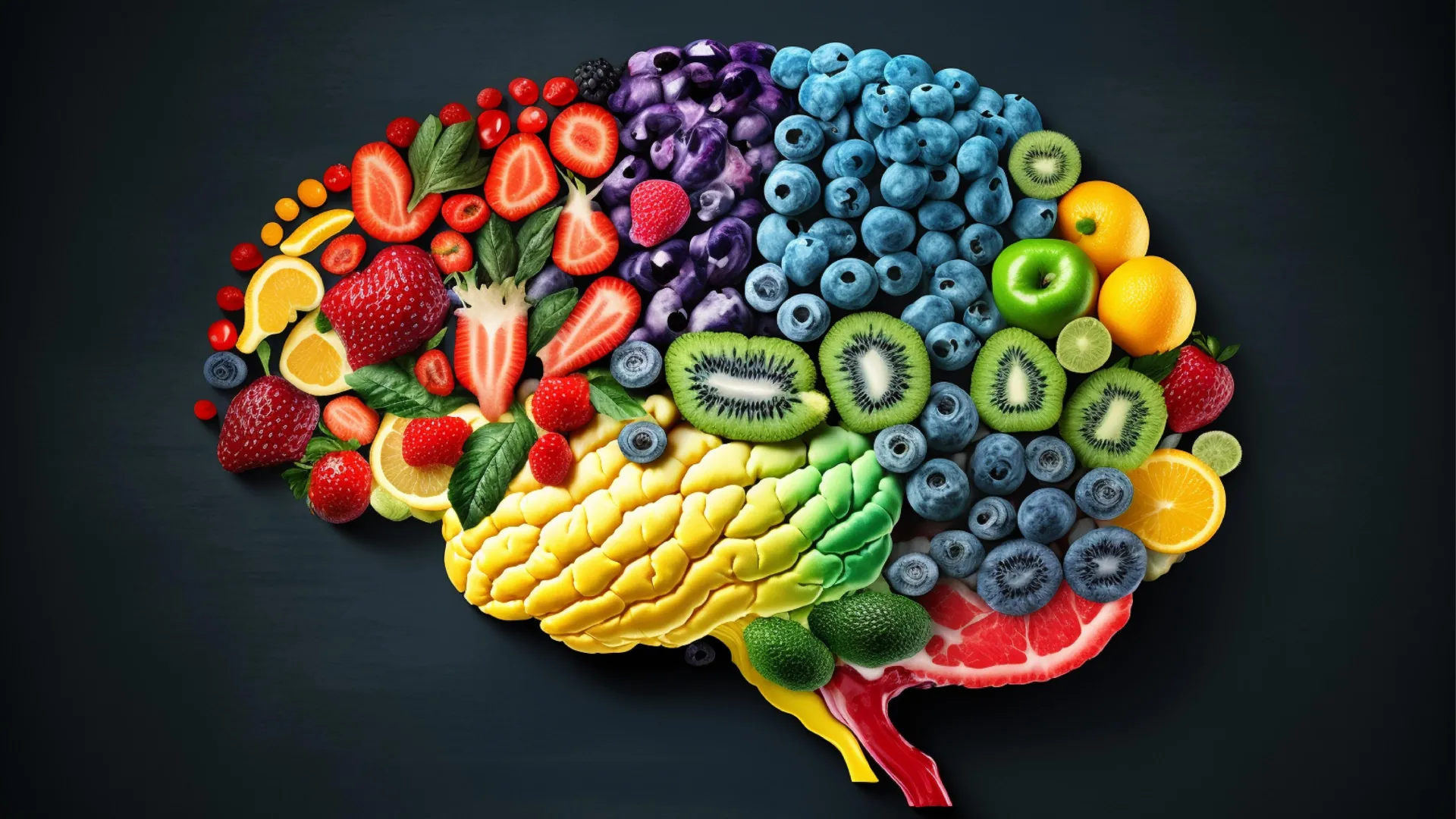
MIND Diet May Slow Brain Aging and Reduce Gray Matter Loss, Study Finds
A diet combining elements of the Mediterranean diet with the DASH diet may help slow some structural changes that occur as the brain ages, according to research published online in the Journal of Neurology, Neurosurgery & Psychiatry.
Greater adherence to the MIND diet was associated with less brain tissue loss over time, particularly in gray matter. Gray matter plays an important role in memory, learning, decision-making, and information processing. The diet was also associated with less enlargement of the brain’s ventricles, fluid-filled spaces that tend to expand as brain tissue shrinks.
What is the MIND diet?
The MIND diet—short for Mediterranean-DASH Intervention for Neurodegenerative Delay—combines elements of the Mediterranean diet and the Dietary Approaches to Stop Hypertension (DASH) diet. It has long been associated with better cognitive health.
The dietary pattern emphasizes green leafy vegetables, other vegetables, berries, nuts, whole grains, fish, beans, olive oil, chicken, and moderate wine intake. It also recommends limiting butter and margarine, cheese, red meat, pastries and sweets, and fried fast foods.
Previous studies have linked the MIND diet to cognitive benefits, but its relationship with age-related changes in brain structure has been less clear. These structural changes are also associated with neurodegenerative diseases such as Alzheimer’s disease and Parkinson’s disease.
Researchers tracked brain changes for up to 20 years
Researchers studied 1,647 middle-aged and older adults from the Framingham Heart Study Offspring Cohort. Participants had an average age of 60 at the beginning of the study.
Participants underwent regular health checkups every four to eight years. Beginning in 1999, they also received MRI brain scans every two to six years.
Diet was assessed using at least one food frequency questionnaire completed during a health examination between 1991–1995, 1995–1998, and/or 1998–2001. Each participant underwent at least two brain MRI evaluations between 1999 and 2019. The first MRI scan showed no evidence of stroke or dementia.
The average MIND diet score was just under 7 out of 15, with 15 representing the strongest adherence.
People in the top third of MIND diet adherence were more likely to be female and have a college education. They were also less likely to smoke or have obesity.
They were also less likely to have conditions that can affect brain health, including type 2 diabetes, high blood pressure, and cardiovascular disease.
Higher MIND diet scores were linked to slower gray matter loss
MRI scans taken over an average follow-up period of 12 years showed expected age-related changes across the group. These included reductions in the volume of the whole brain, gray matter, white matter, and hippocampus.
At the same time, cerebrospinal fluid and ventricular volumes increased, as did white matter signal intensity. This appears as a bright spot on an MRI scan and can indicate tissue damage.
However, participants with higher MIND diet scores experienced slower gray matter loss.
Each 3-point increase in the MIND diet score was associated with slower gray matter loss of 0.279 cm3 per year. According to the researchers, this represented a 20% reduction in age-related decline and a delay in brain aging of approximately 2.5 years.
A similar pattern appeared in ventricular enlargement. For every 3-point increase in the MIND diet score, total ventricular volume expansion slowed by 0.071 cm3 per year. This corresponded to an 8% reduction in tissue loss and a delay in brain aging of approximately one year.
Berries and chicken showed particularly favorable associations
Some foods appeared to contribute more strongly to the favorable associations.
Higher berry intake was associated with a slower increase in ventricular volume. Poultry intake was associated with both slower gray matter loss and slower ventricular enlargement.
By contrast, higher intake of sweets was associated with faster ventricular enlargement and greater hippocampal atrophy. Fried fast food was also associated with a significant decrease in hippocampal volume.
“MIND-recommended foods rich in antioxidants, such as berries, and high-quality protein sources, such as chicken, may reduce oxidative stress and reduce nerve damage,” the researchers suggested.
“Conversely, fried fast foods are high in unhealthy fats, trans fats, and advanced glycation end products, which can cause inflammation and vascular damage,” they added.
Some findings were unexpected
Not all foods showed the expected pattern.
Higher whole-grain intake was associated with several unfavorable structural changes, including faster loss of gray matter and hippocampal volume and faster enlargement of the ventricles.
Cheese showed the opposite pattern. Higher cheese intake was associated with slower declines in gray matter and hippocampal volume, less ventricular enlargement, and less white matter hyperintensity.
MIND diet associations were stronger among older adults
The overall association remained consistent across several additional analyses and was stronger among older participants.
The researchers said this may suggest that the MIND diet could be particularly relevant for people at higher risk of premature brain aging or those experiencing different rates of brain atrophy.
Stronger associations were also found among participants who were more physically active and those who were not overweight or obese.
According to the researchers, this pattern raises the possibility that a brain-healthy diet, combined with other healthy lifestyle habits, may help reduce the risk of neurodegenerative disease.
The study cannot prove that the MIND diet caused slower brain aging
Because the study was observational, it cannot prove that the MIND diet directly caused the delayed brain changes.
The researchers also noted that food frequency questionnaires depend on participants accurately remembering what they ate, which can lead to recall bias.
The study could not exclude the influence of mild cognitive impairment at the time of the initial MRI scan, changes in diet over time, or genetic risk factors.
Participants were primarily Caucasian, so the findings may not apply as well to people from other ethnic backgrounds.
Still, the researchers concluded: “These findings reinforce the potential of the MIND diet as a brain-healthy dietary pattern and support its role in strategies aimed at slowing neurodegeneration in aging populations.”
Source: www.sciencedaily.com