


Robotaxi Privacy: What Waymo’s In-Car Cameras Can See and Record
One afternoon last summer, a self-driving Waymo pulled into a parking lot in San Mateo County, California, and remained there until police arrived. Local police had received a 911 call from a Waymo employee—a human monitoring the car’s occupants through an interior camera.
According to a police report, two teenagers fired black handguns out of a car window. They appeared to play with the gun and drink alcohol between shots.
The incident had a surprising, harmless explanation: The gun was firing water-filled Orbeez, not bullets. Still, it drew attention to Waymo’s surveillance systems. The company says its vehicles use automated technology that can alert people when firearms are detected inside the vehicle.
Why self-driving cars use so many cameras
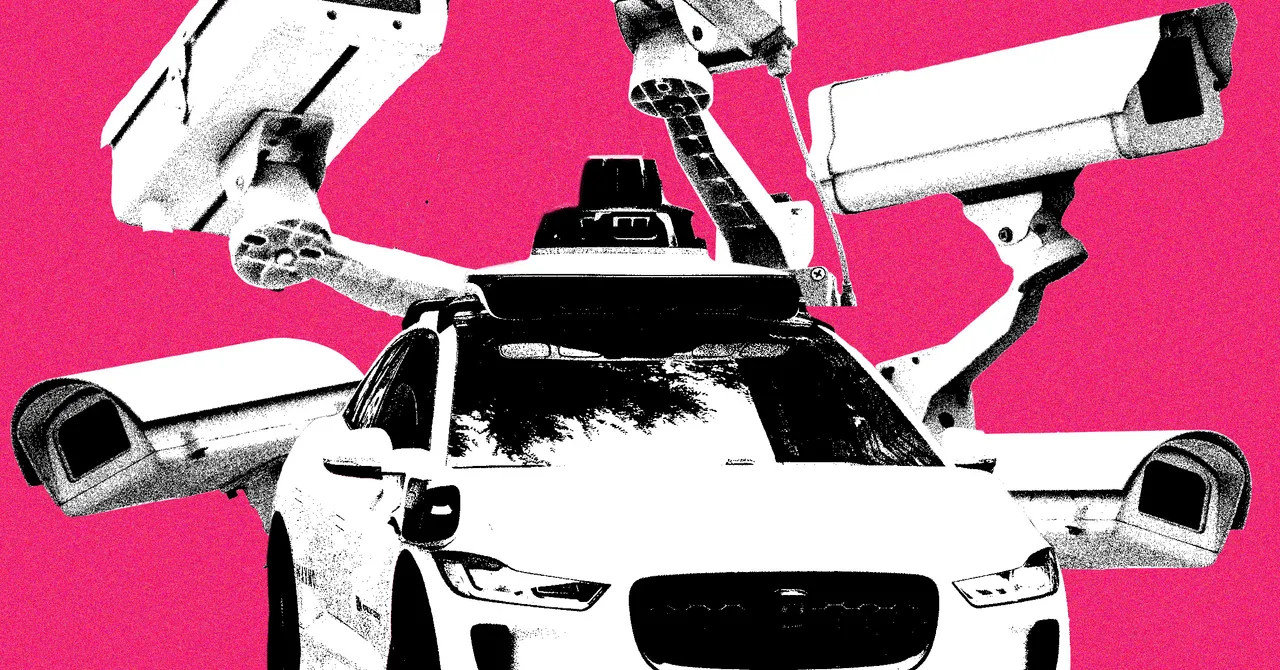
The outside of a self-driving car is covered with cameras that help it “see” the surrounding environment. Most robotaxis also rely on other sensors, including radar and lidar. While cameras inside vehicles are less visible to the public, companies say they are essential for passenger safety and for following regulations.
Earlier this year, some passengers in California—many of them in their 20s or older—reported that a Waymo employee suddenly spoke through the vehicle’s intercom to confirm that they were old enough to ride alone. Waymo later announced that it was using in-car cameras for these types of checks. One 35-year-old passenger told WIRED that he initially thought his backpack had raised a safety alert.
What robotaxi privacy policies allow
Robotaxi privacy policies can be extensive. They indicate that footage recorded inside vehicles may be used for seemingly routine purposes, such as checking the car’s cleanliness between rides, locating lost property, and improving products and services.
However, broad language can cover many different uses. Privacy experts say the United States has few clear rules governing this type of surveillance. Passengers often must accept lengthy terms of service before using ride-hailing apps, making it difficult to understand exactly how their data may be collected, reviewed, stored, or shared.
“We’ve essentially been abandoned by lawmakers when it comes to consumer privacy and what companies can do with that information once they’ve collected it,” said Matthew Guariglia, a senior policy analyst at the Electronic Frontier Foundation, where he works on surveillance and police issues.
His advice is simple: “Just because you’re alone in the car doesn’t mean you’re alone in the car. You should act as if there’s someone jumping up and down in the front seat.”
Can robotaxi footage be shared with authorities?
Robotaxi companies, including Waymo, Zoox, and Tesla, generally say that human staff view in-vehicle camera footage only when necessary. The companies also state that personal data, including recordings, may be provided to law enforcement or regulators.
Waymo’s support page says government agencies seeking data are “directed to follow valid legal process in making such requests.”
Source: www.wired.com