


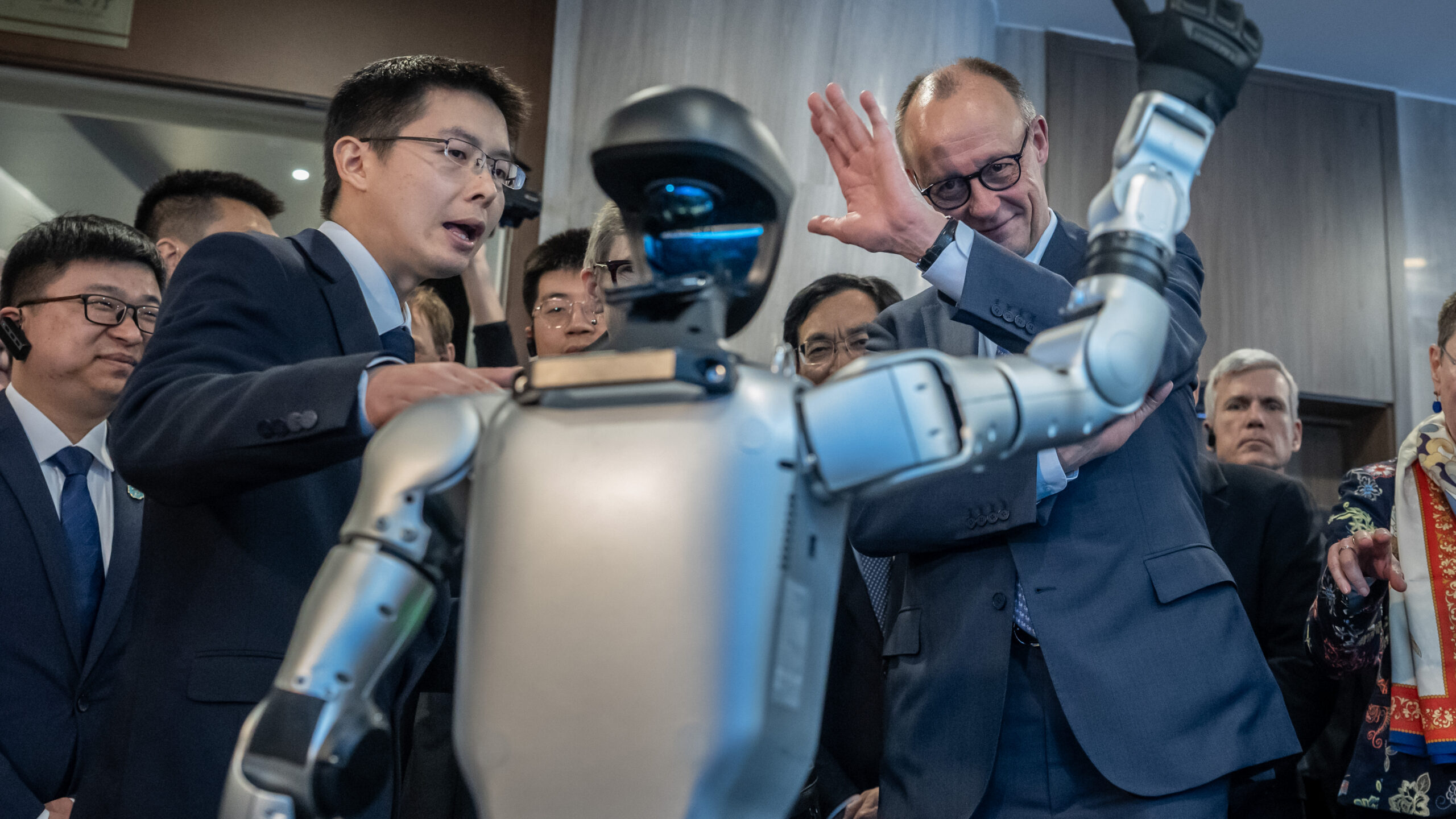
Unitree Robotics Founder Faces Scrutiny Over AI Strategy and Management Style
Unitree Robotics founder Wang Xingxing is facing renewed attention as the Chinese robotics company expands its ambitions in humanoid robots, physical artificial intelligence, and large-scale AI models.
Wang has previously expressed skepticism about large-scale world models, arguing that they require too much computing power to operate efficiently in humanoid robots. However, during Unitree’s recent initial public offering, he reportedly described a strategy centered on large AI models that could support a continuous “autonomous loop” of perception, decision-making, execution, evaluation, learning, and evolution.
Unitree’s vision for physical AI
The approach reflects a broader shift in the robotics industry toward physical AI—systems designed to understand the real world, make decisions, and act through machines. For humanoid robots, such technology could eventually enable more autonomous navigation, task planning, learning, and interaction with people.
Unitree has become one of China’s best-known robotics companies, developing quadruped and humanoid robots while focusing heavily on cost control and mass-market production. The company reportedly had at least 480 employees in 2026.
Reports allege strict management practices
Financial News and other Chinese media reports have described Wang, who has a background in hardware structural engineering, as a highly hands-on founder. Employees reportedly said he remains active in company work chats late at night and spends substantial time at the office, including on weekends.
According to those reports, Unitree’s management structure remains highly centralized. Employees allegedly have to wait for Wang’s decisions on important matters, while expenses above 100 yuan—approximately $15—may require his personal approval.
Such close oversight can be common in early-stage startups, but it may become more difficult to maintain as a company grows. Former and current employees also reportedly described an incentive system that emphasizes penalties and criticism more than rewards.
Employee turnover claims disputed by Unitree
One longtime employee told a financial publication that Unitree experienced its highest turnover of core staff in 2025 and 2026. Reports also claimed that senior executives received performance scores on a scale ranging from 0 to 1.5.
Unitree initially did not respond to a request for comment from Zaikei. The company later issued a statement to other Chinese media outlets disputing what it characterized as significant misinformation in Caijing’s reporting, although it did not publicly provide detailed explanations for each claim.
Why Unitree’s leadership matters to humanoid robotics
Unitree’s growth highlights the opportunities and challenges facing the humanoid robotics industry. Developing affordable robots requires rapid engineering decisions, strict cost management, and substantial investment in artificial intelligence.
At the same time, the company’s reported management practices raise questions about how quickly a robotics startup can scale while maintaining employee retention, transparent decision-making, and sustainable leadership. As Unitree pursues physical AI and more autonomous humanoid robots, its technology strategy and corporate culture will remain closely watched.
Source: arstechnica.com