


Blocking Immune Cells May Protect the Brain From Alzheimer’s-Related Tau Damage
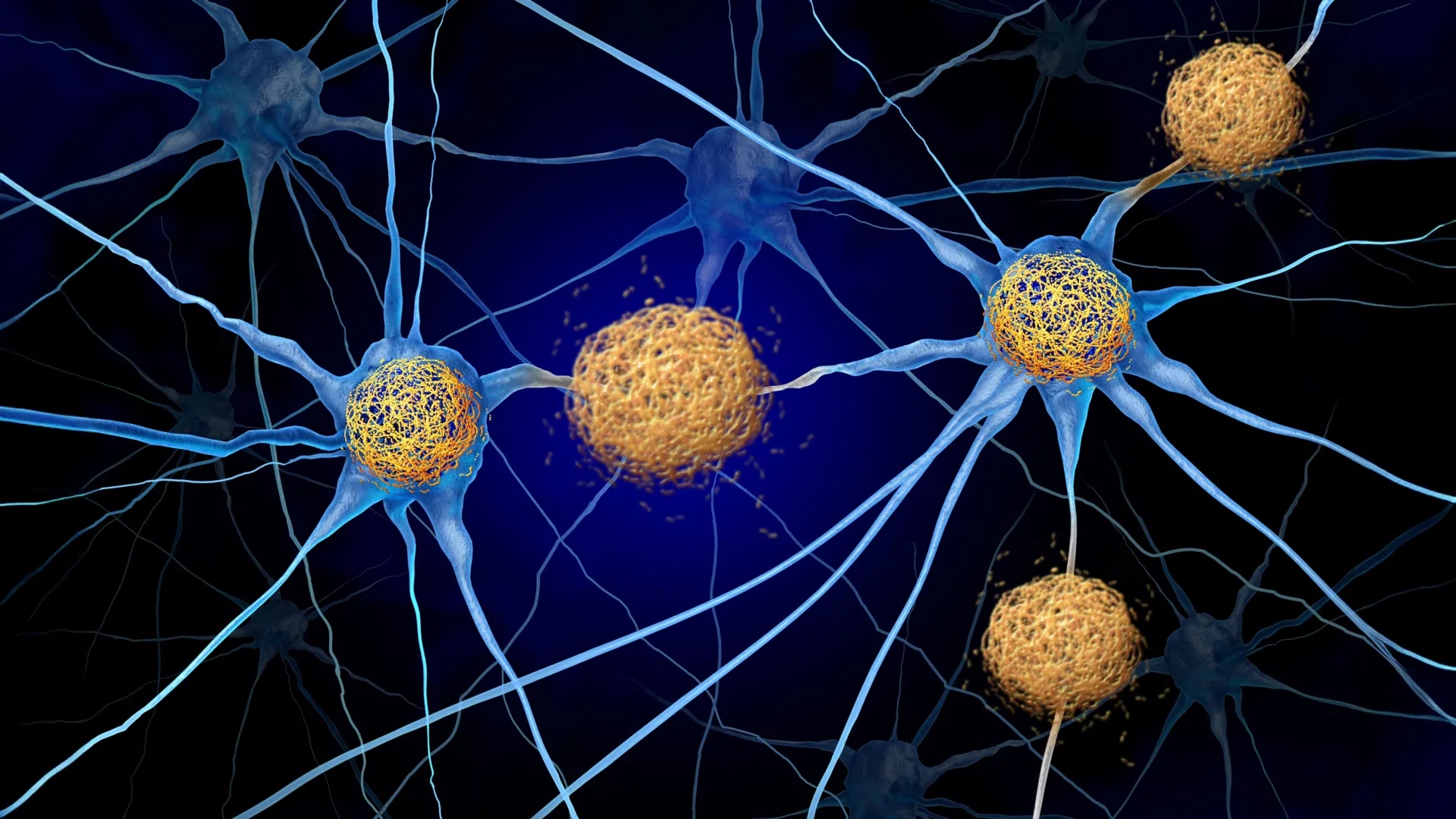
Protecting brain cells from destruction is one of the biggest challenges in treating Alzheimer’s disease and related neurodegenerative conditions. These diseases, known as tauopathies, involve the buildup of abnormal tangles of a protein called tau in the brain. As tau accumulates, nearby neurons begin to die.
However, growing evidence suggests that tau itself may not cause most of the damage. Instead, the immune system’s response to tau may play a major role in the loss of brain cells, memory, and independence.
Scientists at Washington University School of Medicine in St. Louis have identified a potential way to block this harmful immune response. In mice with tau accumulation similar to that seen in Alzheimer’s disease, researchers used an antibody to block CXCR3, a protein that helps immune cells known as T cells enter the brain.
After several months of treatment, the mice had about half as many T cells in their brains. Compared with untreated mice, the treated animals retained approximately 40% more tissue in brain regions involved in memory and performed better on memory tests.
These improvements occurred even though the amount of accumulated tau remained unchanged. The study was published Sept. 28 in Neuron.
“In tauopathies, including Alzheimer’s disease, there are currently no treatments that actually reduce neurodegeneration,” said senior author David M. Holzman, MD, the Barbara Burton and Reuben M. Morris III Distinguished Professor of Neurology at WashU Medicine. “If we can prove that brain cell death is indeed reduced, it would certainly be worth pursuing that pathway to prevent the most devastating consequences of these diseases.”
Why immune cells may contribute to Alzheimer’s brain damage
Current Alzheimer’s treatments primarily focus on removing amyloid, another protein associated with the disease. Two approved drugs, lecanemab and donanemab, target amyloid plaques that develop between brain cells during the early stages of Alzheimer’s disease.
These deposits interfere with communication between neurons, contribute to tau-tangle formation inside cells, and ultimately lead to neuronal death. Although the drugs can slow cognitive decline, they have not been shown to prevent brain cell death. They also do not treat primary tauopathy, in which tau accumulates without amyloid. Alzheimer’s disease is considered a secondary tauopathy because both abnormal amyloid and tau are present.
Holtzman’s laboratory has been studying whether the immune system offers another way to combat these diseases. In a 2023 study published in Nature, researchers found that T cells invaded the brains of mice with abnormal tau accumulation. The cells concentrated in areas with the highest tau levels and contributed to neurodegeneration.
Related research published earlier this month in Nature Neuroscience provided another important clue: signals directing these T cells to the brain originate in lymph nodes outside the brain.
“With this therapy, if it’s safe, we don’t have to design a drug that gets into the brain, which is a big problem since most molecules don’t cross the blood-brain barrier very well. We also don’t need to remove tau to get this therapeutic effect.”
— David Holzman, MD, WashU Medicine
Scientists identify the pathway that guides T cells into the brain
T cells move through the body by following chemical signals known as chemokines. Earlier experiments in Holtzman’s laboratory identified abnormally high levels of one of these signals, CXCL10, in mice with tau accumulation. Other researchers have also reported elevated CXCL10 levels in people with Alzheimer’s disease.
Activated T cells carry a surface receptor called CXCR3, which recognizes CXCL10 and enables the cells to follow its chemical signals. This relationship suggested that the CXCL10-CXCR3 pathway could help direct harmful T cells into the brain.
To investigate, the researchers studied mice that had developed abnormal tau deposits similar to those associated with Alzheimer’s disease. The research team included co-senior author Jason Ulrich, Ph.D., professor of neurology at WashU Medicine, and first author Joshua T. Emmerson, Ph.D., a postdoctoral fellow in the Holtzman laboratory.
The experiments showed that when mice lacked CXCL10—or when T cells lacked its matching receptor, CXCR3—the T cells could not infiltrate the brain. This protection continued even when the researchers intentionally induced inflammation to stimulate an immune response.
Experimental treatment preserves brain tissue and memory
After identifying the pathway, the researchers tested whether antibodies that block CXCR3 could reduce brain damage.
They selected young mice that already had tau deposits but had not yet experienced significant brain-cell loss. The mice received antibody treatments once every five days for three and a half months.
At the end of the experiment, treated mice had about half as many T cells in their brains as untreated mice. They also showed less evidence of neurological damage and retained substantially more brain tissue, including approximately 40% more tissue in memory-related areas. Their performance on memory tests improved as well.
Importantly, the protective effects occurred without any detectable reduction in tau tangles. Treated and untreated mice had similar amounts of abnormal tau, suggesting that limiting the immune response may reduce neurodegeneration even when the underlying protein deposits remain.
The researchers also found that the antibodies reached the borders of the brain without entering the brain tissue itself. This suggests that targeting immune activity from outside the brain could reduce neurodegeneration while avoiding one of the major challenges in neurological drug development: crossing the blood-brain barrier.
Could immune-targeting drugs become a new Alzheimer’s treatment strategy?
The findings are promising, but the treatment has so far been tested only in mice. Additional research is needed to determine whether the approach is safe and effective enough to be evaluated in humans.
Holtzman suggested that drugs already used to control T cells in other diseases could provide a starting point. Certain treatments for multiple sclerosis and other autoimmune diseases may be worth investigating for their potential to reduce brain damage associated with Alzheimer’s disease and related tauopathies.
This would represent a major shift in treatment strategy. Rather than focusing only on abnormal proteins such as amyloid and tau, researchers could also target the immune responses that contribute to neuron destruction.
“Tauopathies are not considered autoimmune diseases and therefore have not been treated in the same way, but this study is the first to show in an animal model that these diseases respond to specific T-cell therapies,” said Holzman, who is also director of the Hope Center for Neurological Diseases and the Knight Center for Alzheimer’s Disease Research at WashU Medicine.
“With this therapy, if it’s safe, we don’t have to design a drug that gets into the brain, which is a big problem since most molecules don’t cross the blood-brain barrier very well. We also don’t need to remove tau to get this therapeutic effect.”
The findings raise the possibility that protecting the brain from harmful immune activity—rather than removing tau itself—could become an important strategy for treating Alzheimer’s disease and other tauopathies. However, the results are preliminary and must be confirmed in further studies before any potential human treatment can be considered.
This research was supported by a BrightFocus postdoctoral fellowship, National Institutes of Health/National Institute on Aging grants R01AG082328 and R01AG085374, the GHR Foundation, the Carol and Jean Ludwig Initiative in Neuroimmune Research, gifts from Ronald Scheich, John Ludwig, Cindy and Evan Goldberg, and the Freedom Together Foundation. The content of the research is solely the responsibility of the authors and does not necessarily reflect the official views of the NIH.
Disclosure: DMH co-founded C2N Diagnostics and serves on its scientific advisory board. He also serves on the scientific advisory boards of Denali, Genentech, and Switch; provides consulting services to Pfizer, Roche, Novartis, Annexon, and Acta; and serves on the advisory committee of Neuron and Cell.
Source: www.sciencedaily.com