


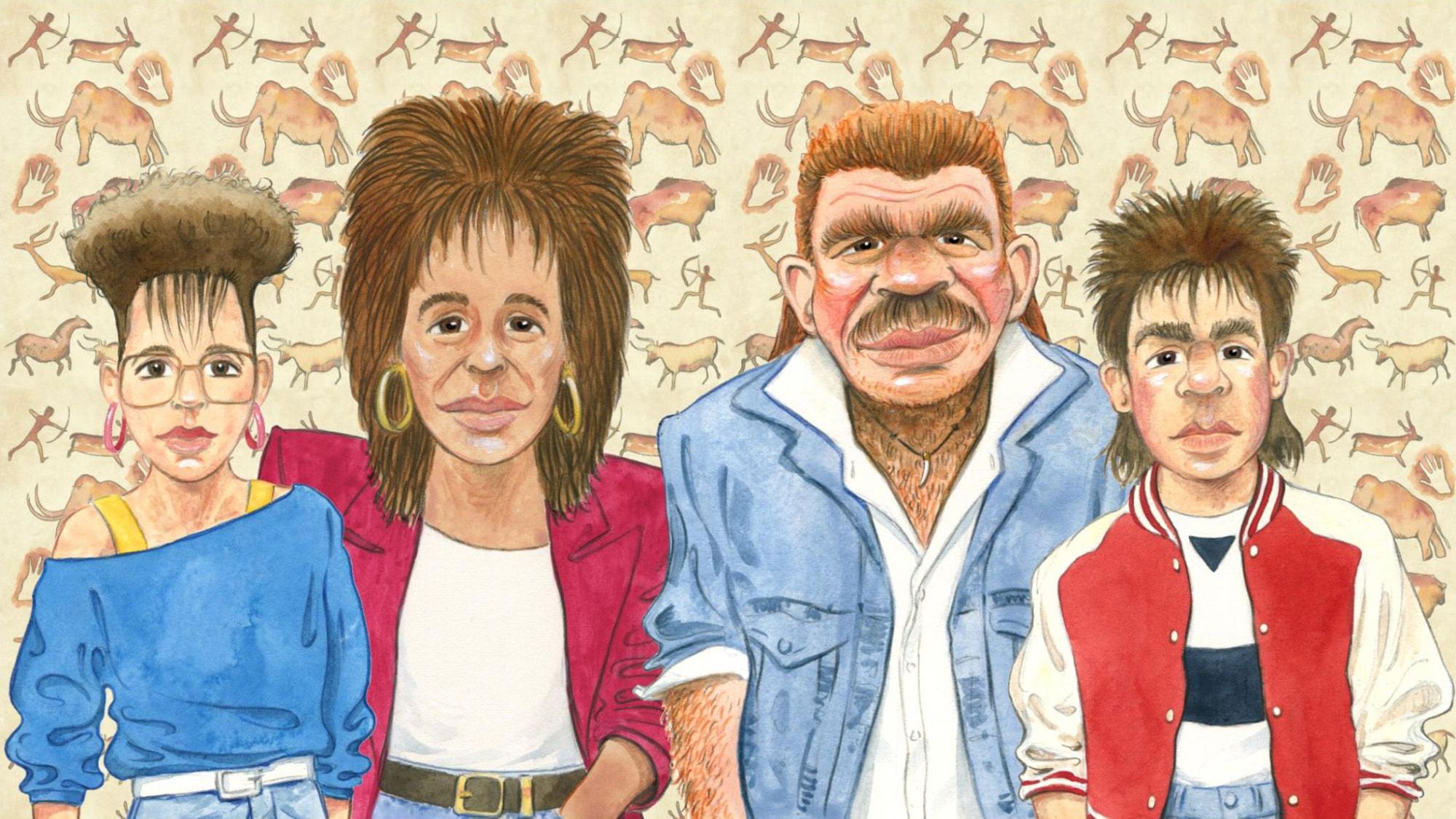
Genetic and archaeological evidence suggests that Neanderthals and modern humans repeatedly interbred, but it does not reveal whether those encounters involved preference, alliance, coercion or biological chance. Studies of the X chromosome indicate that Neanderthal males and Homo sapiens females produced more surviving descendants than the reverse pairing, while evidence from caves and ancient genomes suggests that many hybrid children were absorbed into expanding modern-human groups.
In a limestone cave on Turkey’s Mediterranean coast, two human populations left remarkably similar traces: comparable stone tools, the remains of the same prey animals and the same kinds of pierced seashell ornaments. The groups may have lived thousands of years apart and may never have met, yet the overlap at Üçağızlı II illustrates a larger puzzle in human evolution.
Neanderthals and modern humans did not simply encounter one another once and then separate. They occupied some of the same regions, and genetic studies show that they had children together over tens of thousands of years and across multiple continents. Roughly 2% of the genomes of people living outside Africa today is Neanderthal.
Yet no archaeological site has shown the two groups living together. Genetics can establish that interbreeding occurred, but it cannot by itself explain who approached whom, whether encounters were consensual, whether violence or alliances were involved, or how hybrid children were raised.
A puzzle on the X chromosome
The first high-coverage Neanderthal genome was sequenced in 2010. Over the following 15 years, researchers repeatedly noticed that Neanderthal DNA was less common on the X chromosomes of living people than it was on the other chromosomes.
The X chromosome is one of the two sex chromosomes and accounts for about 5% of the DNA in cells. Most females have two X chromosomes, while most males have one X and one Y. Across the rest of the genome, Neanderthal ancestry appeared in broadly consistent proportions. On the X chromosome, however, there was substantially less.
The leading explanation was negative selection: Neanderthal variants found only on the X chromosome might have been incompatible with modern-human biology and gradually removed from the gene pool. Incompatibilities elsewhere in the genome are known to have reduced Neanderthal ancestry over time, making the idea plausible.
But the pattern on the X chromosome did not look like selection for more advantageous gene variants. DNA can be divided broadly into protein-coding regions, regulatory sequences that control gene activity, and other noncoding regions whose functions are not fully understood.
Alexander Platt, an evolutionary biologist at the University of Pennsylvania’s Perelman School of Medicine, reasoned that if Neanderthal X-chromosome variants were inherently harmful, modern-human variants should have been favored in Neanderthals. Neanderthal X chromosomes should then contain an excess of modern-human DNA in protein-coding or regulatory regions, where beneficial variants would have their strongest effects.
Instead, researchers found more modern-human DNA in noncoding regions of Neanderthal X chromosomes than in coding regions. This pattern was not a signature of natural selection for better genes. It was a record of reproduction: evidence of which kinds of people were passing X chromosomes to the next generation.
In a typical pregnancy, the mother contributes an X chromosome through the egg, while the father contributes either an X or a Y through the sperm. A person always inherits an X chromosome from their mother, but males inherit no X chromosome from their father. Across a population, about two-thirds of X chromosomes come through mothers and one-third through fathers. That makes the X chromosome unusually sensitive to patterns of reproduction.
A recurring pattern of interbreeding
If Neanderthal males paired with modern-human females more often than Neanderthal females paired with modern-human males, more modern-human X chromosomes would have entered the Neanderthal gene pool.
Simulations by Platt’s team suggested a persistent pattern: males with more Neanderthal ancestry tended to reproduce with females with more modern-human ancestry. The pattern appeared during at least two separate periods of contact roughly 200,000 years apart, Platt said.
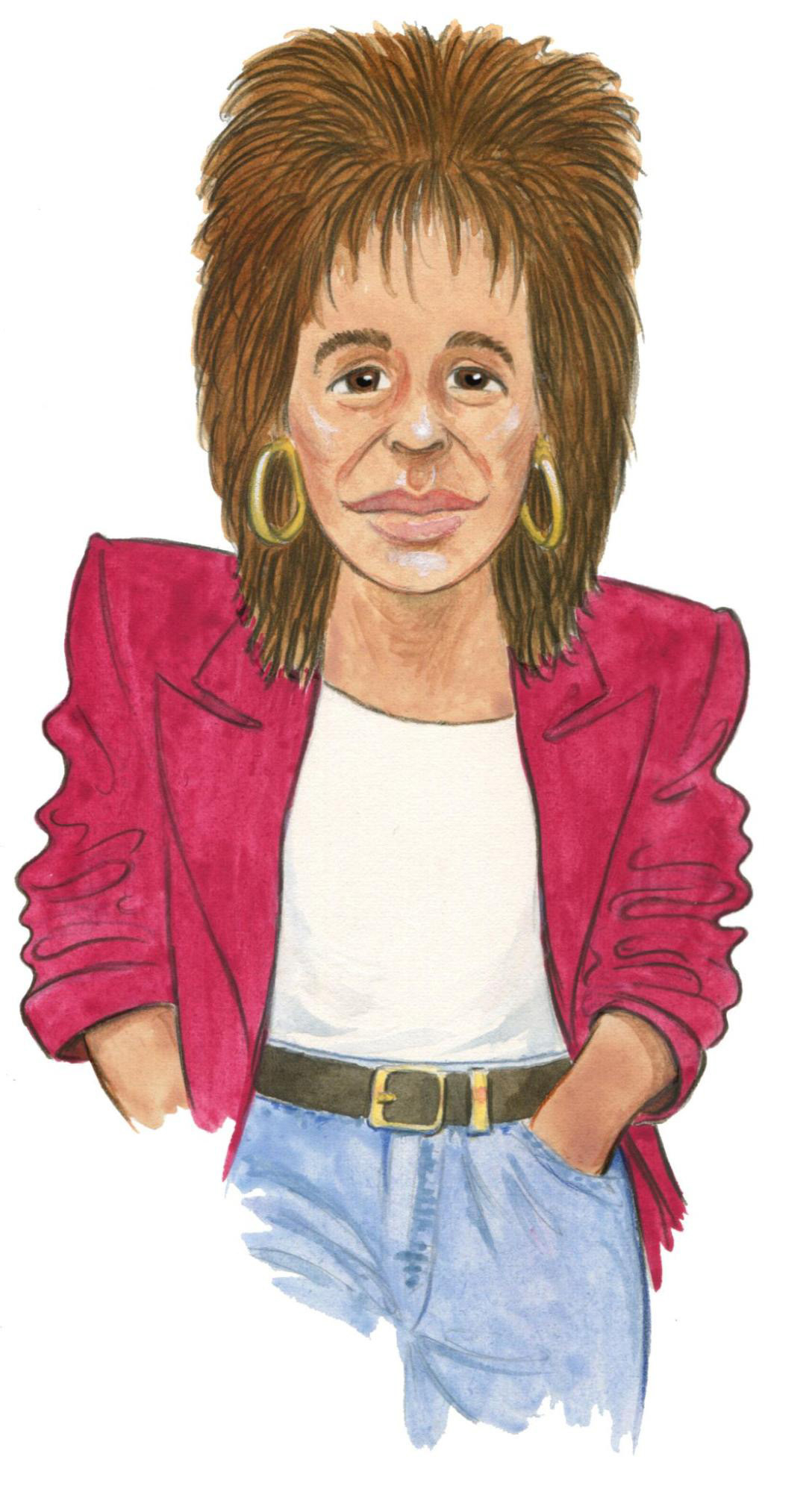
One interbreeding episode occurred about 45,000 years ago and produced most of the Neanderthal DNA found in non-African genomes today. An earlier period, more than 200,000 years ago, left genetic traces in Neanderthals rather than in modern-human populations. In both periods, the genetic pattern points to Neanderthal males having children with H. sapiens females.
The X chromosome can show who reproduced with whom, but it cannot explain why. It cannot distinguish social preference from biological compatibility, and it says nothing about whether a particular encounter was wanted.
Biology may have shaped which hybrids survived
Rajiv McCoy, a geneticist at Johns Hopkins University, cautioned that the X-chromosome pattern could arise without any difference in sexual preference. When closely related species interbreed, the likelihood that a pregnancy succeeds can depend on which population the mother and father come from.
Even if Neanderthal genes functioned adequately in a modern-human genetic background, hybrid pregnancies may have been more likely to succeed when the Neanderthal was the father rather than the mother. In that case, the pattern would reflect how the two groups’ biology interacted in the womb, McCoy told Live Science.
Researchers have proposed several mechanisms. One study suggested that Neanderthal red blood cells may have restricted fetal growth. Another proposed that Neanderthal mothers carrying hybrid fetuses may have been more prone to preeclampsia, a potentially fatal pregnancy complication. Existing evidence does not definitively rule out these explanations, McCoy said.
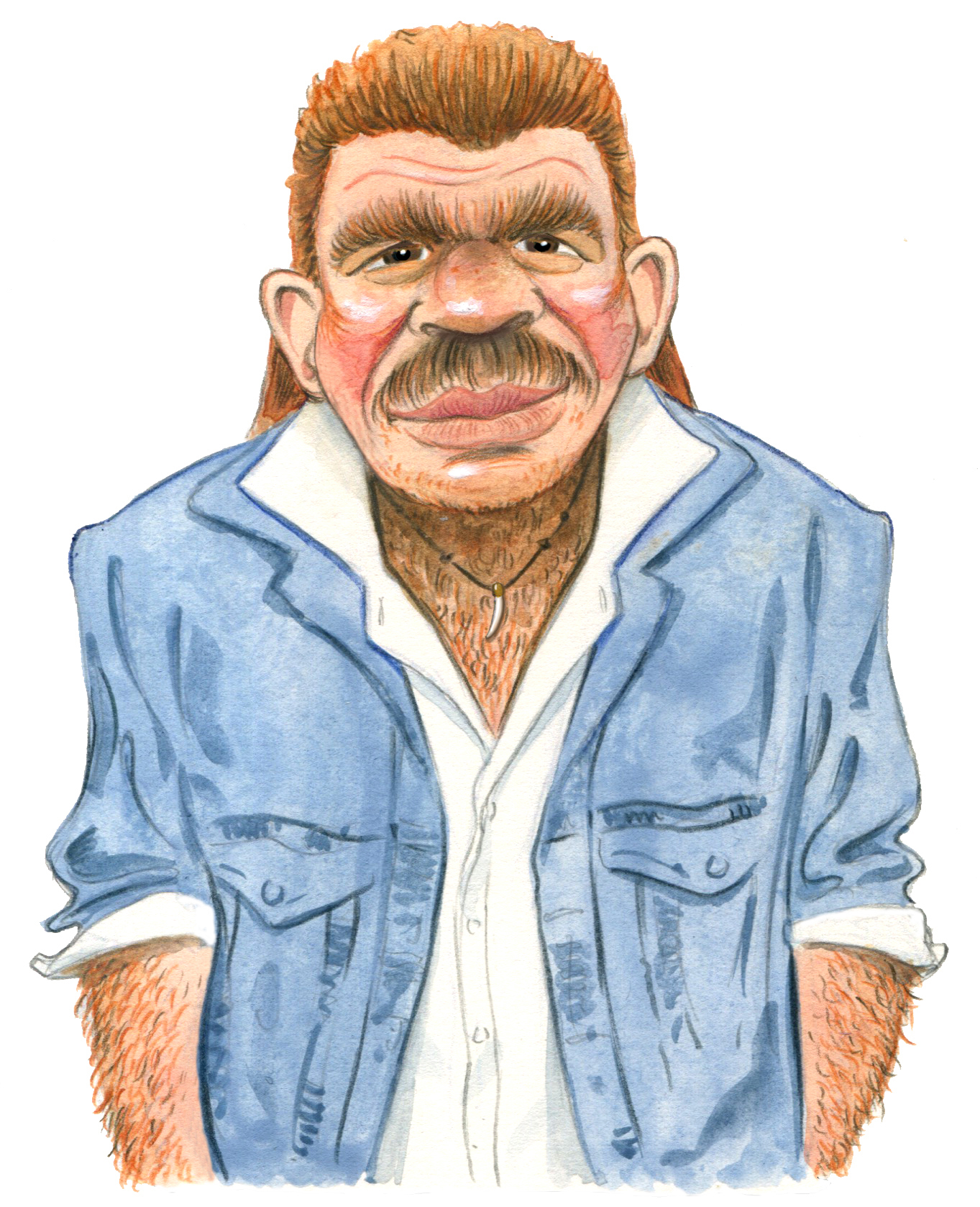
The two explanations—different mating patterns and different rates of successful pregnancy—are difficult to separate. “Our models have no way of distinguishing mating from mating that produces a viable and fertile offspring,” McCoy said.
If hybrid pregnancies failed more often when the mother was Neanderthal, the genetic record would look similar to a situation in which Neanderthal females mated less often with H. sapiens males. Encounters that produced no surviving children left no genetic trace.
The cause of the bias therefore remains unresolved. Whatever barriers existed between the groups were not absolute. Multiple episodes of interbreeding over thousands of years indicate that at least some hybrid individuals were fertile enough to leave a lasting genetic mark, McCoy said.
Archaeological evidence of proximity without fusion
Bridget Alex, a researcher in human evolutionary biology at Harvard University, said the lack of direct archaeological evidence limits what scientists can conclude about Neanderthal-modern human interactions.
“Despite a century and a half of Neanderthal research,” Alex told Live Science, “no one’s ever found a Neanderthal and Homo sapiens fossil in the same exact layer dated to the same exact period at the same exact site.”
Instead, researchers have a patchwork of evidence that varies across regions and through time. Neanderthals occupied territory stretching from Siberia to Iberia and Southwest Asia between roughly 250,000 and 40,000 years ago. Modern humans evolved in Africa during much of that period and entered Eurasia in multiple waves, meeting Neanderthals in different places and under different circumstances.
“It’s not like the Neanderthals living in what’s now Spain could call up the ones in what’s now Uzbekistan and be like, ‘OK, what’s our policy with modern humans? Do we kill them, have sex with them, ignore them?’” Alex said. “My assumption has always been that interactions would vary across time and space depending on the particular environmental conditions, social conditions, and just the whims of a particular group.”
Grotte Mandrin, a cave in the Rhône Valley of southern France, provides one of the clearest archaeological records of successive occupation by the two groups. Ludovic Slimak, a paleoanthropologist at the University of Toulouse, described the site as an “extraordinarily precise archaeological sequence of Neanderthals and [Homo] sapiens occupying exactly the same place.”
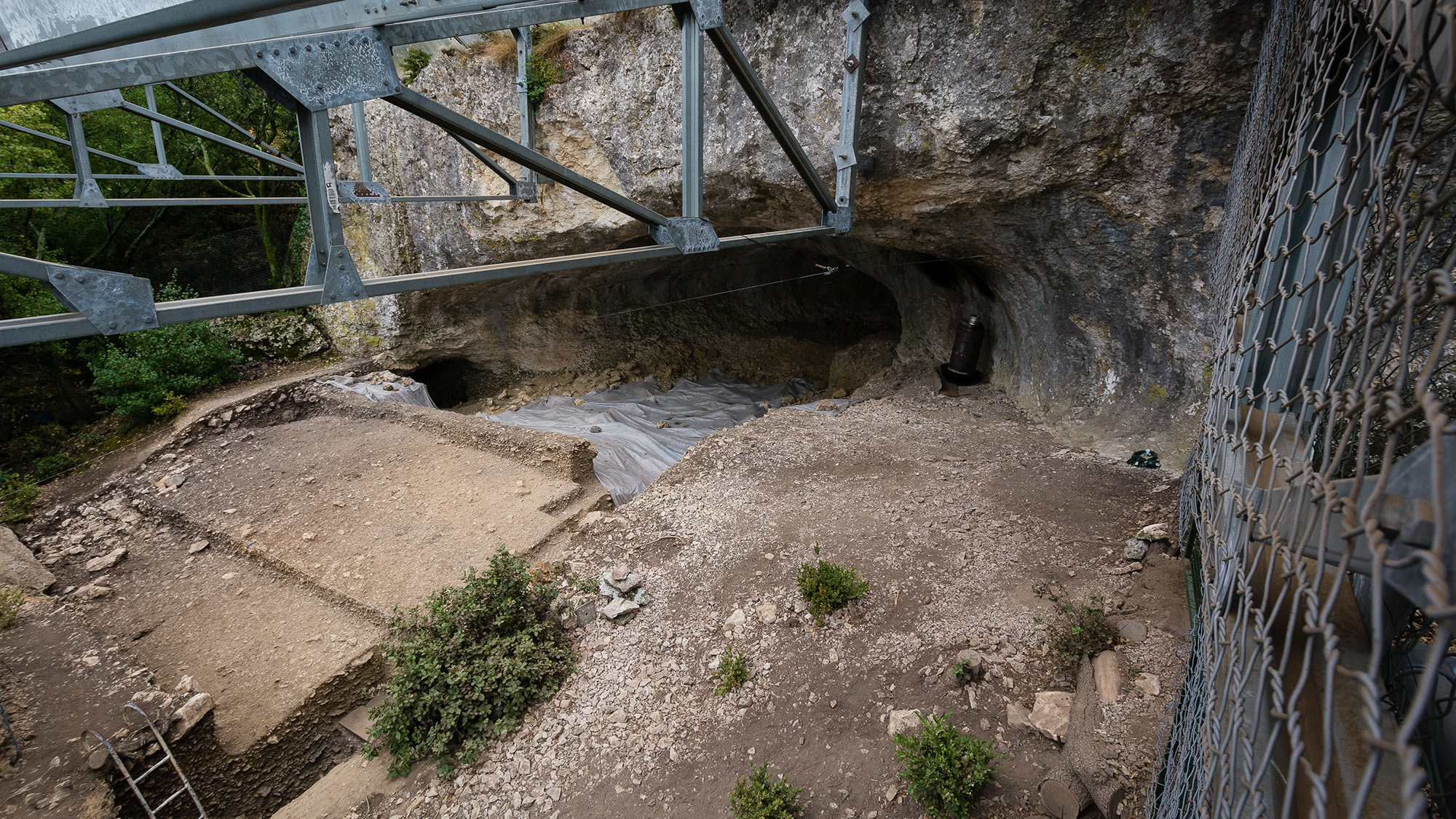
Neanderthal artifacts fill successive layers dated by radiocarbon and luminescence methods to about 57,000 years ago. A thin layer dated to between 56,800 and 51,700 years ago contains a different set of stone tools and a single tooth that appear to belong to H. sapiens. Neanderthal artifacts return in layers immediately above, beginning around 51,700 years ago.
The modern humans seem to have arrived, lived briefly in a landscape otherwise occupied by Neanderthals, and then disappeared. “What strikes me most is not mixture but proximity without fusion,” Slimak said. The groups left no clear evidence of cultural exchange or shared practices. They appear to have occupied the same landscape while remaining culturally and biologically distinct.
Different social structures
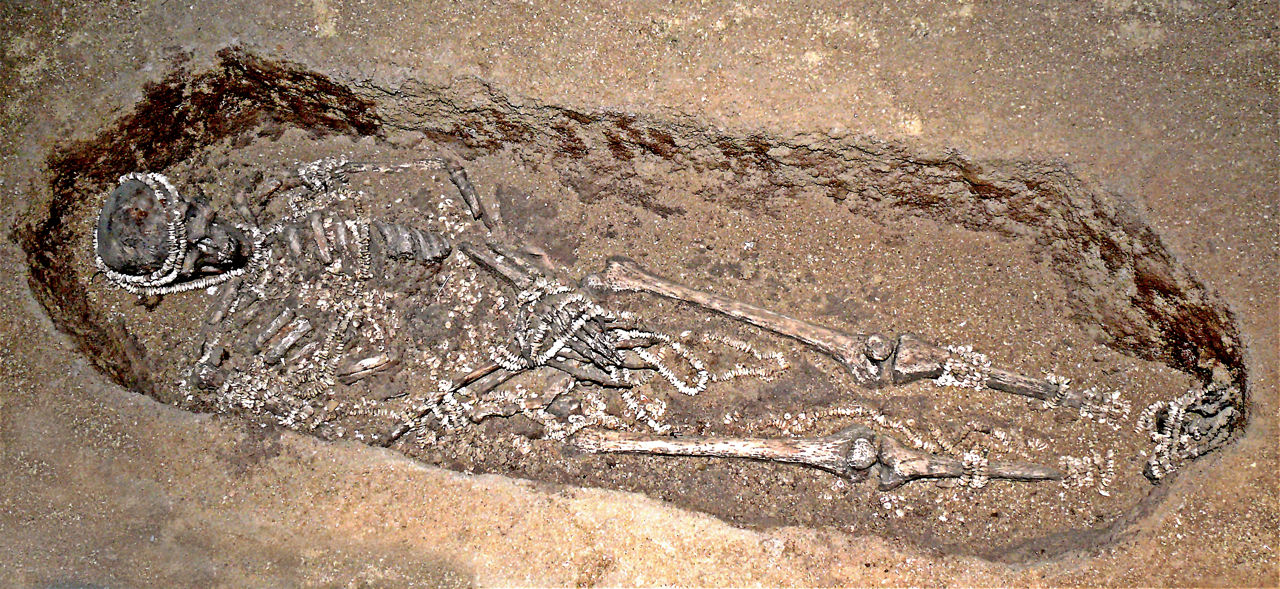
Archaeological and genetic evidence also points to differences in the social organization of the two groups. At Sunghir, a burial site in Russia dating to about 34,000 years ago, two H. sapiens adolescents were buried head to head beneath thousands of ivory beads and mammoth-bone spears. Ancient DNA analysis showed that they were not immediate family members, yet they were buried together in an elaborate ceremony, suggesting social connections that extended beyond a small immediate group.
At Chagyrskaya, a cave site in Siberia, Neanderthals buried in what appears to be a single community layer included a father and his teenage daughter, as well as another pair of people who shared roughly one-quarter of their DNA.
These are only two sites, but they fit a broader pattern in genetic data. Modern-human groups appear to have had a nested social structure: small communities of perhaps 20 or 30 people maintained wider connections through ceremonies, intermarriage and exchanges with other groups.
Neanderthal groups, by contrast, seem to have been smaller and more tightly connected internally. Individuals from the same group were often closely related, and their genomes show low genetic diversity. Alex said the pattern suggests populations that were “always on the verge,” like an endangered species.
Some movement between Neanderthal communities did occur. Where researchers have recovered genomes from several Neanderthals at one site, males are often more closely related to one another than females are to one another. This is consistent with a patrilocal structure in which males remain in their birth groups while females move between communities.
That pattern raises another question. If Neanderthal communities rarely incorporated women from distant Neanderthal groups, how did modern-human women come to have children with Neanderthal men?
A demographic imbalance
Fernando Villanea, a population geneticist at the University of Colorado Boulder, believes the question may be framed incorrectly. Rather than imagining Neanderthal men raising hybrid children inside Neanderthal communities, he suggests that modern-human groups may have absorbed surviving Neanderthals and raised their children within predominantly human communities.
Late Neanderthals—those living toward the end of their history in Eurasia—were roughly 10 times more inbred than the modern-human ancestors expanding out of Africa, Villanea said. Such inbreeding usually reflects small, fragmented populations rather than deliberate choices.
We need to imagine scenarios where a majority of modern human groups traveling into Eurasia are encountering a vanishing minority of Neanderthals.
Fernando Villanea, population geneticist at the University of Colorado Boulder
Archaeological and paleoclimatic evidence provides additional context. As the planet entered a warmer, wetter period, the ecosystems to which Neanderthals were best adapted were shrinking. Modern humans, whose evolutionary history included hotter and wetter African environments, may have been better suited to the changing conditions in Europe, experts have suggested.
Between roughly 50,000 and 44,000 years ago, Neanderthal ancestry made up about 5% of the modern-human genome in the period when much of the interbreeding that survives in human DNA occurred. Given the numerical advantage of modern humans, Villanea said, that represents many encounters between the groups.
His proposed scenario is that modern-human groups incorporated surviving Neanderthal individuals and raised their children largely within human communities. A 2018 study by Villanea and colleagues in Nature Ecology & Evolution found evidence for multiple distinct episodes of this process. Some ancient H. sapiens genomes from Europe dating to around 40,000 years ago contain Neanderthal ancestry from individuals who lived only a few generations after archaeologists can no longer find physical evidence of Neanderthals in the region.
A 2024 study by Leonardo Iasi and colleagues likewise concluded that almost 90% of the total Neanderthal ancestry in people alive today came from a main interbreeding pulse roughly 50,000 to 45,000 years ago, probably in the Middle East. The remainder appears to have entered the human gene pool through more scattered encounters across Eurasia.
“This, to me, says deliberate integration of Neanderthal individuals into human groups,” Villanea said. However, the genetic evidence cannot establish whether integration was voluntary, forced or the result of circumstances that researchers cannot reconstruct.
The costs of being a hybrid
Some hybrid Neanderthal-modern human children survived, because their genetic legacy remains in people today. But Neanderthal ancestry declined rapidly after entering modern-human populations.
Most genes work together with other genes across the genome. When Neanderthal-specific variants entered a modern-human genetic background, some combinations may have functioned poorly, like gears from one machine placed in a slightly different machine. Natural selection therefore removed many Neanderthal variants quickly.
Villanea’s calculations, based on the rate at which chromosomes recombine during cell division, suggest that the decline from about 5% Neanderthal DNA between 50,000 and 45,000 years ago to roughly 2% today occurred in about 10 human generations.
“That’s very fast,” Villanea said. “In real-life terms, that means a lot of hybrids did not survive to reproduce, and the ones that did probably had to deal with life-long health problems.”
Selection acted in the other direction as well. Platt’s team found evidence that modern-human DNA was also being removed from Neanderthal genomes. Neither group necessarily had inherently superior genes. Instead, variants that had evolved during hundreds of thousands of years of separate adaptation could become disadvantageous when combined with the other lineage’s genetic background.
Where did the hybrid children live?
If Neanderthal males and modern-human females produced more surviving children than the reverse pairing, the next question is where those children were raised.
Villanea cautioned against using the X-chromosome pattern alone to answer it. The imbalance is real, he said, but “there is nothing in the X chromosome data that says it’s based on human or Neanderthal mating preference,” as Platt proposes.
A similar pattern could theoretically arise if Neanderthal males left their birth groups to find mates, although archaeological evidence suggests that this was not typical. Biology may provide a better explanation.
In two closely related North American deer mice, Peromyscus maniculatus and Peromyscus polionotus, genomic imprinting causes hybrid offspring to develop differently in the womb depending on which species was the mother and which was the father. The effect has nothing to do with behavior or preference.
A comparable process in early humans could have made pairings between Neanderthal fathers and H. sapiens mothers more likely to produce surviving children, without either group consciously favoring that arrangement.
“We simply don’t know enough yet,” Villanea said. Distinguishing social behavior from biological incompatibility will require more Neanderthal genomes from the critical period of contact, ideally from several regions.
A 2026 study of 27 late Neanderthals who lived between 50,000 and 40,000 years ago in what is now Belgium and France found no evidence of recent modern-human ancestry in those individuals. This was true even though modern humans living during the same period demonstrably carried Neanderthal DNA.
If hybrid children had commonly been raised in Neanderthal communities and reproduced there, those communities’ genomes should preserve traces of that ancestry. The absence of such evidence supports the possibility that hybrid children were more often incorporated into modern-human groups.
Modern-human communities also displayed more varied residence patterns than Neanderthals. In different societies, either males or females could leave their birth groups depending on the circumstances. That flexibility may have helped human communities absorb outsiders.
What the evidence cannot reveal
Neither genetics nor archaeology can yet determine whether encounters between Neanderthals and modern humans occurred by choice, circumstance or force. “We still wouldn’t know if it was consensual or coerced,” Alex said.
Peaceful alliances might be expected to produce archaeological evidence of shared practices, such as toolmaking methods or symbolic objects moving between groups. That evidence is absent at Grotte Mandrin, where the technological traditions of Neanderthals and modern humans remained distinct.
Slimak said the genetic data are consistent with an asymmetry: gene flow was more successful through Neanderthal males and H. sapiens females than through the reverse pairing. But the data do not reveal the social circumstances behind that asymmetry.
“The data says nothing about culture, desire, attraction or intent,” Slimak said. “That entire social world has been added afterwards.”
The same genetic signal could result from female mobility, a demographic imbalance, alliances, exchange, capture or differences in hybrid survival. Several of these factors could have operated at once. A single migration in a traditional society might involve marriage, family strategy, alliance, obligation and violence in combinations that leave no clear archaeological signature.
“We may identify that a woman came from elsewhere,” Slimak said. “We cannot recover her consent.”
Even so, genetics, demography and archaeology together reveal a structural pattern. Interbreeding was repeated and directional, and it corresponded to the social organization and population sizes of the two groups. As expanding modern-human populations encountered dwindling and relatively isolated Neanderthal communities, Neanderthal males appear to have contributed genes to the larger human population. Their children were likely raised primarily among modern humans.
“Genes do not preserve past loves,” Slimak said. “They preserve what was transmitted. And between transmission and lived experience lies almost the whole of human society.”
Source: www.livescience.com