


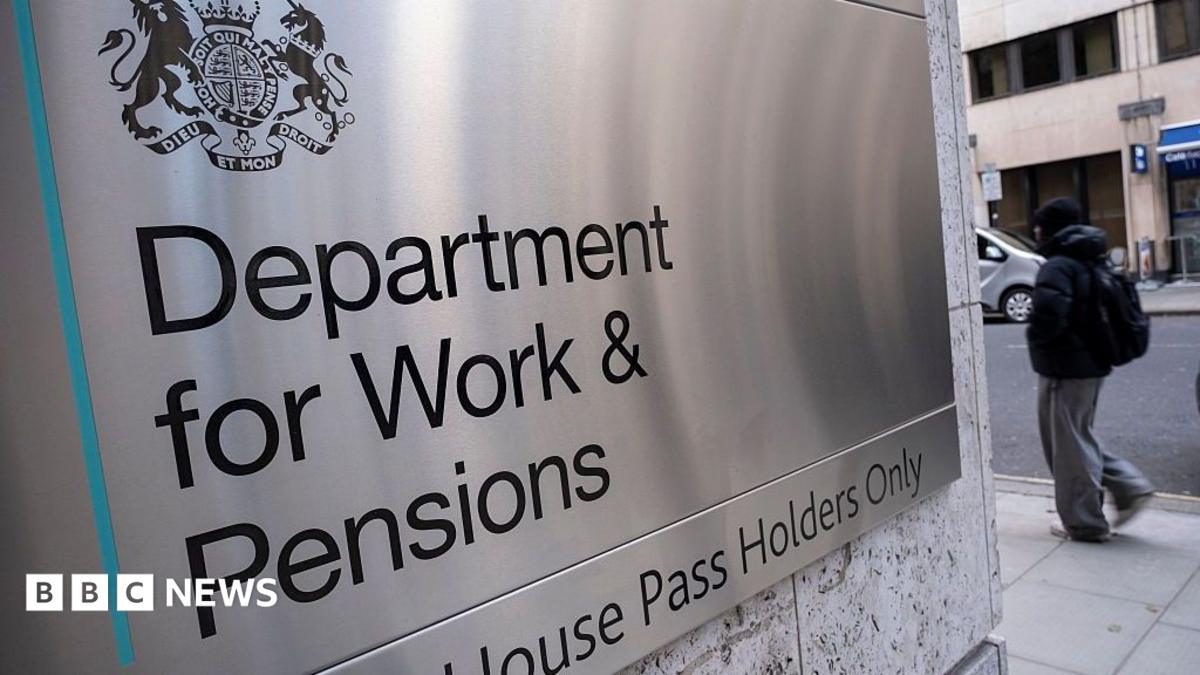
Online benefits and pension services remained unavailable on Saturday morning after the Department for Work and Pensions (DWP) took them offline following what it described as a “significant cyber incident”. The department has not confirmed whether hackers were responsible, but experts and politicians have raised concerns about a possible attack, the resilience of critical government systems and the impact on people who rely on them.
DWP services remain offline
The DWP did not explain what caused the disruption, which began late on Thursday, and has not ruled out the possibility of a hacker attack.
The government has assured benefit recipients and pensioners that payments will continue as normal. However, some people are concerned they could face penalties if they miss deadlines to report changes or provide information online while services are unavailable.
The online portal for Personal Independence Payment (PIP) applications and the “Tell Us Once” service for registering deaths have also been affected.
The government said on Friday that it did not believe any personal information had been lost or stolen.
Experts raise concerns about a possible cyberattack
David Knott, Britain’s former chief technology officer, told BBC Newsnight he had “strong suspicions” that the department had been targeted by hackers.
“The suspension of some citizen services suggests that some kind of attack may be coming through the front door,” he said.
John Currie, a leading cybersecurity expert at Bath Spa University, told BBC News that the DWP had “almost certainly” detected a hacking operation and shut down its systems to prevent data theft.
If the DWP discovered a hacker inside its computer systems, Mr Currie said, “the best thing to do is slam the front door”.
He added that governments may deliberately release only limited information in order to “keep secrets from their adversaries” and avoid giving potential attackers details about efforts to protect sensitive systems.
Work and Pensions Secretary Pat McFadden said on Friday that there had been a “significant cyber incident”, but provided no further details. Downing Street also declined to say whether the DWP had been targeted by hackers.
However, No. 10 said other government departments had not been targeted by “malicious actors”.
Calls for stronger protection of government systems
The incident has prompted concerns about vulnerabilities in national computer systems and whether security protocols are keeping pace with advances in artificial intelligence that could be used to assist hackers.
Dame Chi Onwurah, chair of the House of Commons Science and Technology Committee, said the DWP incident should be a “wake-up call” for the government.
“People rely on these systems as some of the most important services our country provides, and they should be able to trust that the technology and data that underpin them are secure and resilient,” she said.
Shadow AI Minister Ben Spencer described the incident as “very concerning”. He said the government “cannot demand high standards of cybersecurity from other countries without demonstrating that they are taking the necessary steps to protect their own systems”.
The disruption is the latest in a series of global cyber incidents affecting governments and major organisations. Such incidents can result from hacking, technology flaws and failed upgrades.
Additional reporting by Jacob Phillips
Source: www.bbc.co.uk