


Official distribution channels for the Q-Dir and DesktopOK Windows utilities were compromised, allowing trojanized installers containing a Python-based remote access trojan (RAT) to reach users. Researchers at cybersecurity firm AhnLab said the malicious versions were digitally signed with certificates issued to legitimate developers and could affect both new installations and updates to existing software.
Official installers were replaced
Q-Dir is a free file manager marketed as a more capable alternative to Windows File Explorer. DesktopOK is a utility that saves desktop icon layouts, which can be useful when users switch monitors or change screen resolutions.
Nenad Hrg developed both tools and distributes them through the SoftwareOK website. While neither application is considered mainstream, both are used by IT professionals, power users and system administrators.
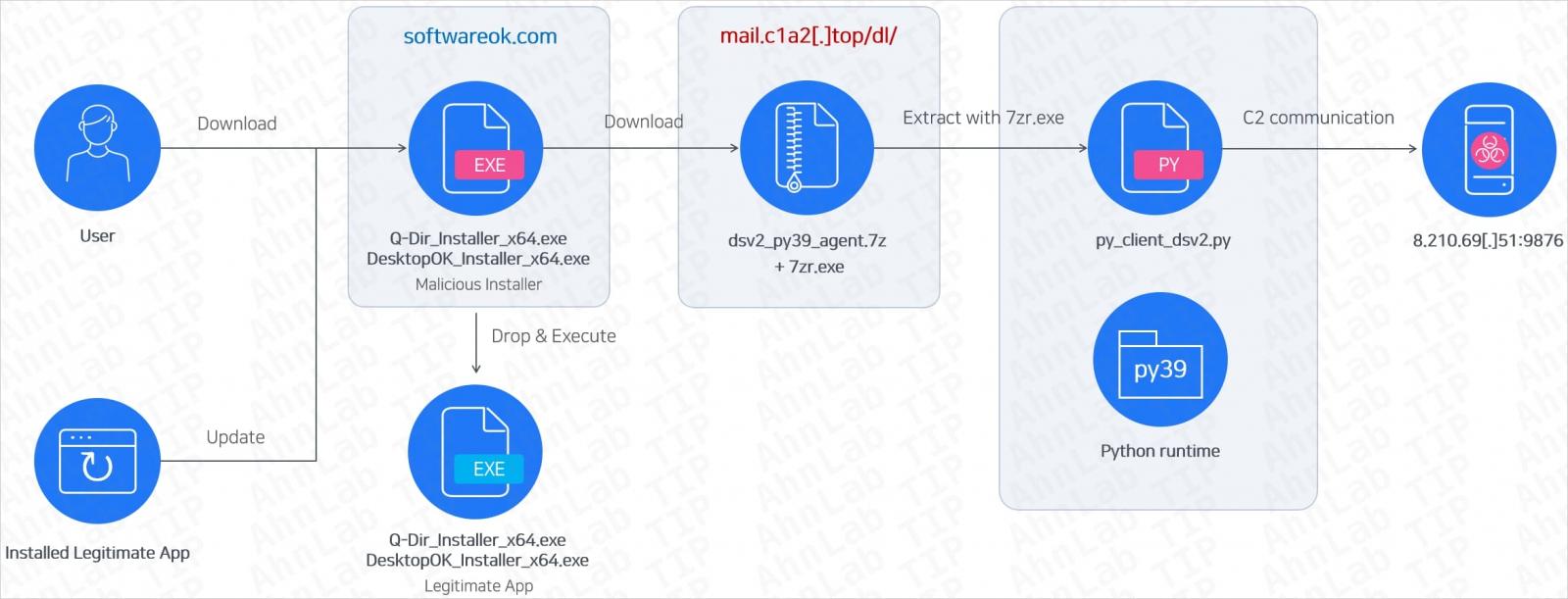
Two weeks ago, AhnLab’s Security Intelligence Center (ASEC) confirmed that installers for both utilities had been compromised. The incident affected direct downloads as well as updates delivered to previously installed copies.
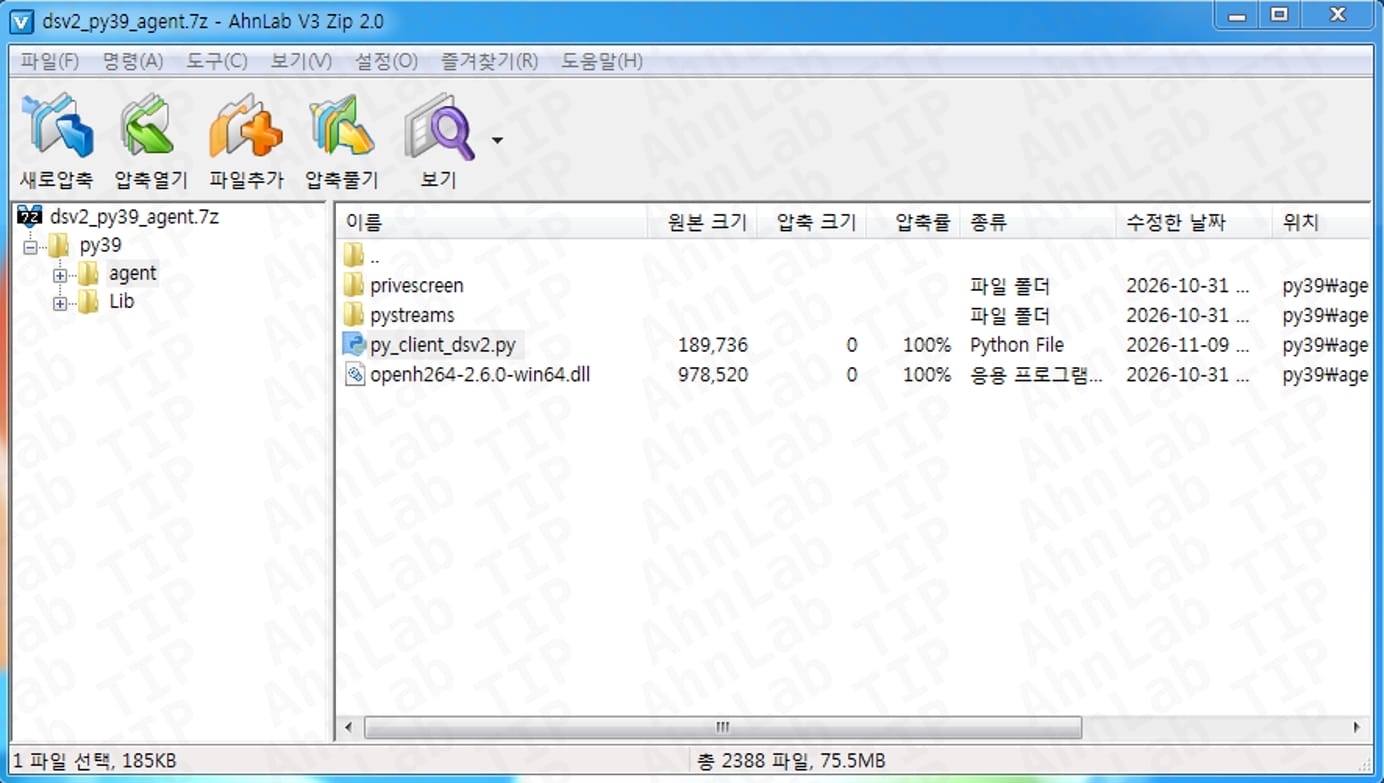
Source: ASEC
ASEC stated in its report that “some Q-Dir and DesktopOK installation files distributed on SoftwareOK’s official website were altered and contained malicious files.”
“Evidence shows that malicious files are generated not only when users download programs directly from official download pages, but also during the update process of previously installed legitimate programs,” the researchers added.
ASEC identified the following affected release versions:
- Q-Dir versions 12.83.0.0, 12.84.0.0 and 12.85.0.0
- DesktopOK versions 12.82.0.0 and 12.85.0.0
Not every installer associated with those versions is infected. ASEC published SHA-256 hashes to help users distinguish legitimate files from malicious ones. However, the researchers advised anyone who recently installed or updated either utility to treat the device as potentially compromised, regardless of the version number.
Python RAT establishes persistence
According to ASEC, the malicious installer downloads a Python-based RAT that creates scheduled tasks to maintain persistence on infected systems.
The malware can execute shell commands and Python code, transfer files and capture screenshots. It also gathers system information, including a list of security products active on the device.
ASEC said the malware contains a list of 1,206 processes associated with Korean and international antivirus and endpoint detection and response (EDR) products. The list includes AhnLab V3, CrowdStrike Falcon, SentinelOne, Trend Micro, Avast, McAfee, ESET, Symantec, Kaspersky, Bitdefender, Sophos, Fortinet, Elastic Security, Malwarebytes and FireEye.
The collected information is sent to a command-and-control (C2) server, potentially allowing the malware’s operators to assess the victim’s security tools and plan subsequent actions while attempting to avoid detection.
Source: ASEC
Users should check for remaining malware
ASEC said it could not determine how the legitimate installers were replaced or how long the malicious versions were distributed.
Users should compare downloaded installers with the SHA-256 hashes published on the official download page. Removing a trojanized copy of Q-Dir or DesktopOK does not necessarily remove the Python RAT.
Researchers recommend checking for suspicious Python execution environments, unfamiliar scheduled tasks and signs of external network communication. BleepingComputer contacted Nenad Hrg about the incident but had not received a response at the time of publication.
Source: www.bleepingcomputer.com