


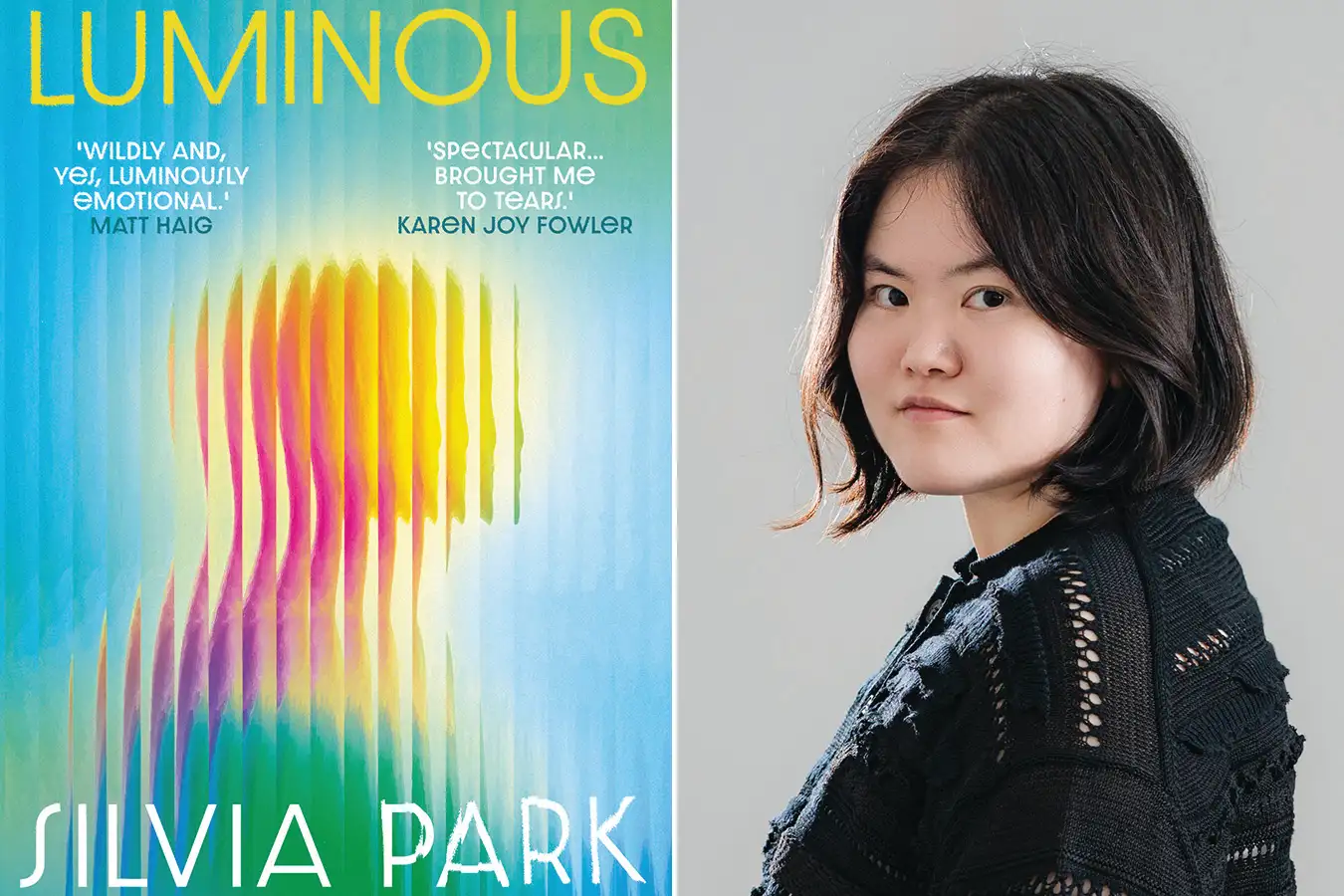

The New Scientist Book Club read Luminous in May by Sylvia Park.
The New Scientist Book Club took an exciting turn in May, shifting gears from Kim Stanley Robinson’s Space Wilderness to Sylvia Park’s thought-provoking closer-future novel, Bright.
Like this year’s previous read, Sierra Greer’s Anniebot, which explores societal integration of robots through multiple storytelling lenses—emotional, spiritual, and realistic—Park’s narrative encapsulates a unified Korea. The book intertwines three compelling storylines: Detective Jun’s search for a missing robot girl, a group of kids discovering an abandoned robot boy, and a family grappling with their past.
I found Bright refreshingly insightful. The blend of themes provokes a sensitive exploration of love and loss. Park, an accomplished writer, originally conceived this story as a children’s book but transformed it into a darker narrative—a testament to their creativity. I’m eager to see their next project, which intriguingly includes elements from robotic consciousness to mythological mermaids.
Club members expressed varied views on Bright. For TheGosia, Park’s portrayal of disability was impactful. “I love it! Engaging characters hooked me immediately. The positive representation of bionic enhancements stood out,” they noted. Check out our thriving Discord community. “I’d happily trade my flawed body for a functional bionic suit, but too often, the narrative reflects loss.”
I also resonated with Exoi’s perspective: “This book is bursting with thought-provoking concepts about robotics and value in society. It presents more ideas than some authors do in a lifetime, making it both intelligent and nuanced. I’m thoroughly enjoying it.”
Karen Warren added, “This is just one of many possible futures, but it mirrors our current society’s tendencies to anthropomorphize inanimate objects, depicting our desire for connection.” She quoted Park: “How do we define what is real? Many of us exist primarily in a subconscious state, dreaming or fixated on screens. How can we assert that we’re truly living?” This encapsulates much of the book’s essence.
Contrastingly, Alan_P noted their confusion. “Having just finished Bright, I struggled to grasp certain plot points—especially the ending. Why did the kids hastily abandon the broken robot? And why couldn’t the siblings resolve their family tensions, even with therapy?”
Matthew echoed similar sentiments: “The pace felt slow, with significant events occurring only halfway. Although there are twists, they sometimes feel disconnected. Interestingly, the true identity of the robot emerges. It resonates with Ian M. Banks’ portrayal of AI; and comparing Anniebot to Bright, the challenges faced provide compelling commentary on current AI anxieties.”
Topics:
Source: www.newscientist.com