


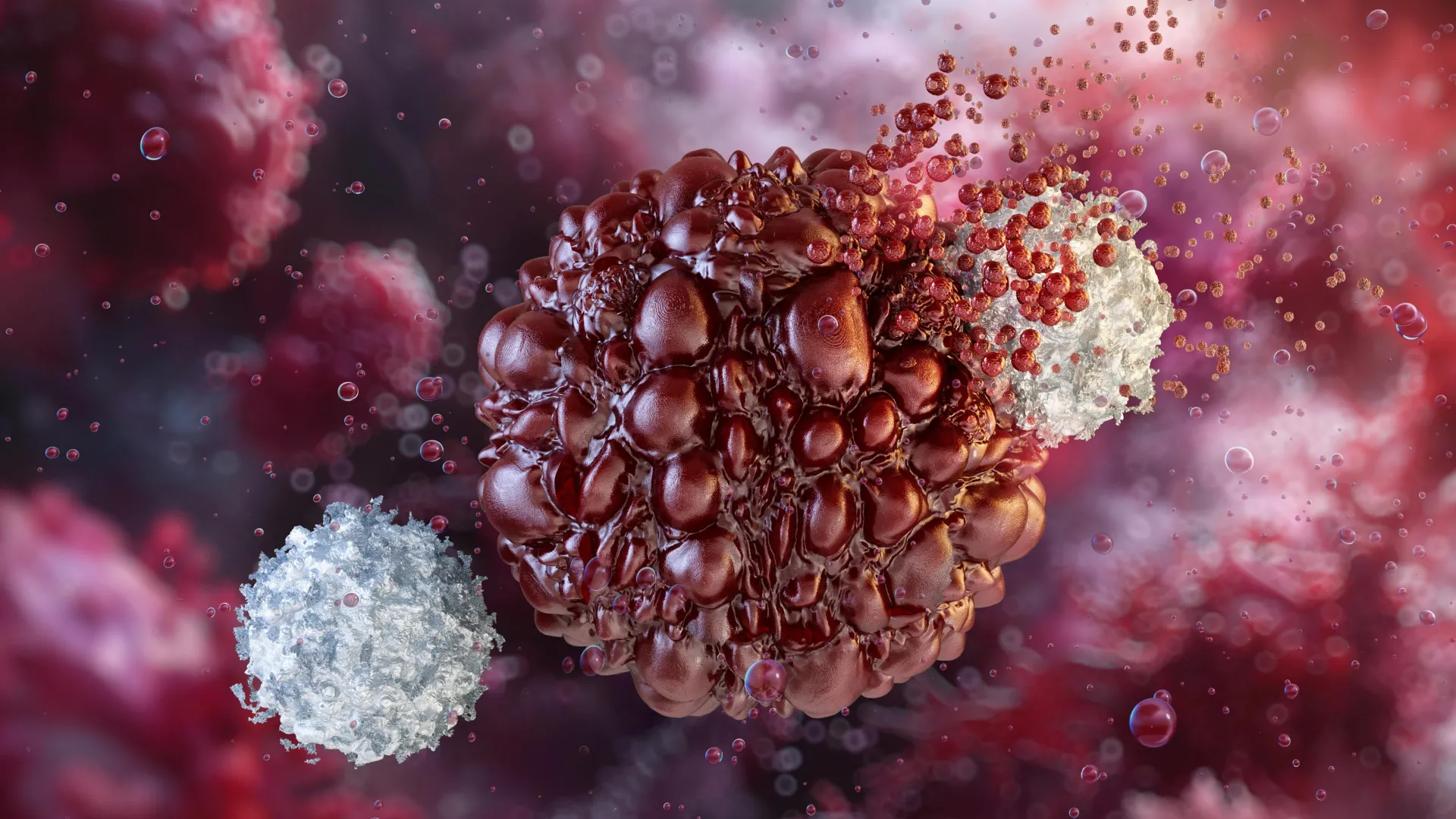
Locally produced complement C3 may improve cancer immunotherapy by preventing immune-suppressing cells from accumulating inside tumors, according to scientists at Nagoya University in Japan. The researchers found that C3 made within tumor tissue—not C3 circulating in the bloodstream—can help cancer treatments work more effectively.
Published in Nature Communications, the study suggests that replicating the tumor-level effects of C3 could help patients whose cancers produce insufficient amounts of the immune protein.
An Ancient Immune Protein May Support Cancer Treatment
Complement C3 is one of the oldest components of the immune system. The protein is found in organisms as simple as sponges and jellyfish. In humans, most C3 is produced by the liver and released into the bloodstream, where it helps protect the body from infections.
However, scientists know far less about how C3 functions when it is produced directly inside tissues, including tumors.
“Cancer tumors are surrounded by normal cells called fibroblasts. Until now, the role of complement C3 produced by these cancer-associated fibroblasts within tumor tissue was not known,” said lead author Yuki Miyai, assistant professor at the Graduate School of Medicine, Nagoya University.
Local C3 Helps Immune Cells Attack Tumors
The researchers discovered that C3 produced inside tumor tissue prevents immunosuppressive myeloid cells from entering the tumor microenvironment. These cells can suppress the body’s immune response and make it harder for the immune system to destroy cancer cells.
By limiting the accumulation of these immune-suppressing cells, local C3 creates a more favorable environment for the immune system to recognize and attack tumors. The findings identify C3 as a potential regulator of cancer immunotherapy, which is designed to help the immune system target cancer cells.
To examine whether blood-based C3 had the same effect, the researchers conducted mouse experiments that distinguished between C3 produced by the liver and C3 produced inside tumors.
Reducing liver-produced C3 by 90% did not reduce the effectiveness of an anti-PD-1 immunotherapy drug. The treatment worked just as well in mice with greatly reduced circulating C3 as it did in mice with normal levels.
In contrast, blocking C3 production by fibroblasts inside the tumor made the same immunotherapy less effective, even though circulating C3 levels decreased by only 9%.
“What determined the efficacy of the immunotherapy treatment was not the C3 in the blood, but the local C3 produced at the tumor site. When this C3 breaks down, it forms a fragment called iC3b that stops harmful myeloid cells from entering the tumor. As a result, immunotherapy is more likely to work,” Miyai explained.
New Strategy for Overcoming Immunotherapy Resistance
The research team next examined whether the effects of local C3 could be reproduced in tumors that typically resist cancer immunotherapy. They tested a drug designed to mimic the way C3 prevents immunosuppressive myeloid cells from entering tumors.
The experimental approach enabled immunotherapy to work against previously resistant tumors and significantly extended survival in mice. Although additional research is needed, the findings could lead to new strategies for treating cancers that do not respond to immunotherapy.
Lung Cancer Samples Reinforce the Results
The researchers also analyzed tumor samples from patients with lung cancer. Patients with higher levels of C3 in the tissue surrounding their cancer cells had better treatment outcomes and longer survival.
Approximately half of the patients with high levels of local C3 responded to treatment, while none of the patients with lower local C3 levels responded. Consistent with the mouse experiments, C3 levels in the bloodstream were not associated with treatment effectiveness.
Future Directions for Cancer Immunotherapy Research
The researchers plan to investigate methods for increasing C3 levels inside tumors and to determine when treatment should be administered for the greatest benefit.
Further research into local C3 activity could also improve scientists’ understanding of other biological processes, including wound healing and inflammation control. In the future, tumor C3 levels may help identify patients most likely to benefit from immunotherapy and guide the development of treatments for resistant cancers.
Source: www.sciencedaily.com